
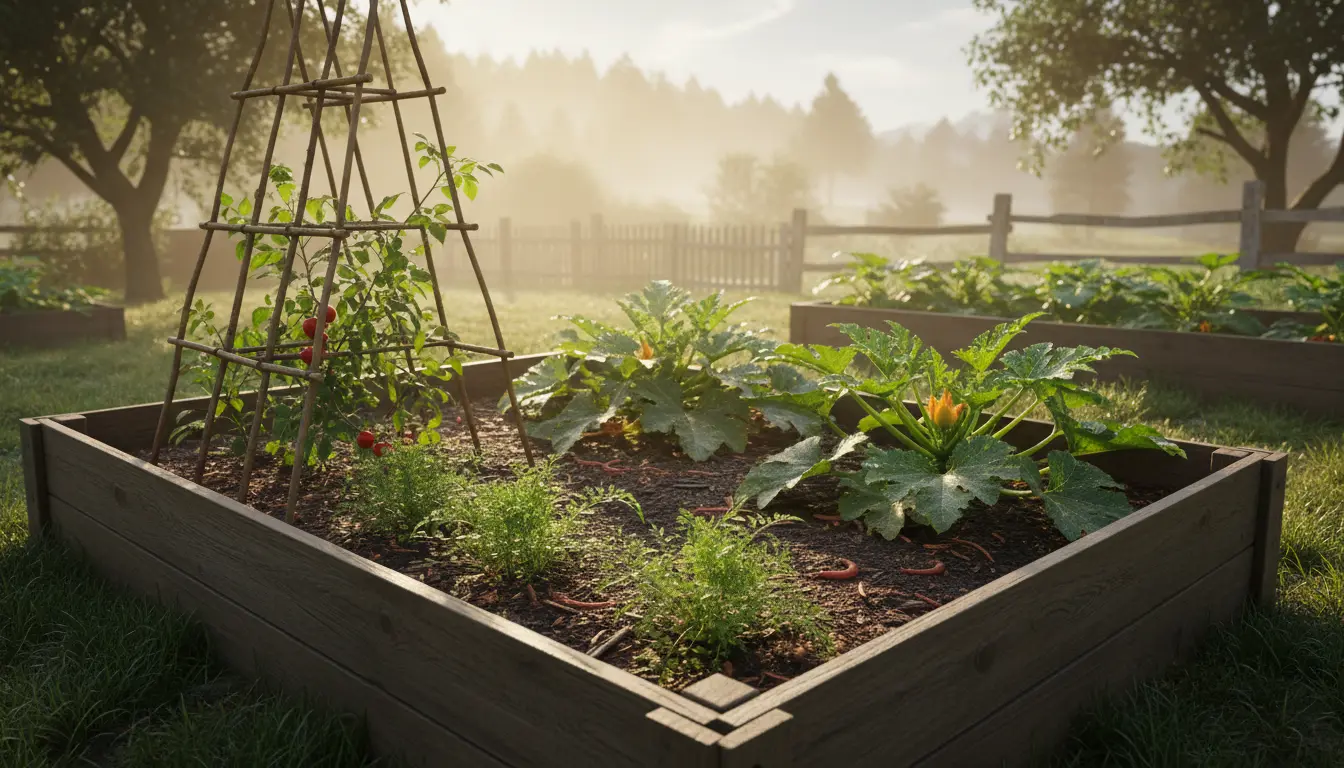
Starting a vegetable garden is a manageable project that returns fresh food, exercise, and satisfaction. This guide gives clear, practical steps so beginners can plan, plant, and maintain a productive garden with simple techniques.
Why start a vegetable garden
A vegetable garden saves money and improves access to fresh produce. It also gives control over growing methods and reduces food miles.
Beginners benefit from small, manageable plots and a narrow, seasonal planting list to build confidence.
How to start a vegetable garden: basic planning
Successful gardens begin with planning. Pick a location, decide on size, and choose crops that match your climate and cooking habits.
Keep the first plot small—common beginner sizes are a single 4×4 or 4×8 raised bed, or a few containers on a balcony or patio.
Choose the right location for your vegetable garden
Vegetables need sunlight. Aim for 6 to 8 hours of direct sun per day for most crops like tomatoes, peppers, and beans.
Also consider water access, wind exposure, and ease of reaching the bed for daily checks and harvesting.
Plan what to grow in your vegetable garden
Start with easy, high-reward vegetables. Good beginner choices include lettuce, radishes, spinach, bush beans, and cherry tomatoes.
Match plants to season: cool-season crops (lettuce, peas) in spring/fall; warm-season crops (tomatoes, cucumbers) after frost passes.
How to prepare soil for a vegetable garden
Healthy soil is the foundation of a productive vegetable garden. Focus on texture, organic matter, and drainage.
Test soil if possible. A simple pH and nutrient test helps target amendments and avoid overfertilizing.
Improve soil with compost and amendments
Mix 2 to 4 inches of compost into the top 6 to 8 inches of soil for raised beds. Compost improves structure and fertility.
For heavy clay, add coarse sand and organic matter. For very sandy soils, add compost and well-rotted manure to increase water retention.
How to start a vegetable garden: planting and spacing
Follow seed packet or plant tag spacing to avoid overcrowding. Good airflow reduces disease risk and helps plants reach full size.
Use succession planting to extend harvests—plant a new row of fast crops (radishes, lettuce) every 2–3 weeks.
Planting examples
- Tomatoes: 24 to 36 inches between plants in rows 3 feet apart.
- Lettuce: 6 to 12 inches between plants for leaf varieties.
- Radishes: 1 to 2 inches apart; thin to recommended spacing after germination.
Watering and maintenance for a vegetable garden
Consistent watering is more important than frequent shallow watering. Aim to wet the root zone 1 to 2 inches per week, adjusting for rain.
Use drip irrigation or soaker hoses to reduce evaporation and keep foliage dry, which lowers disease pressure.
Weeding, mulching, and feeding
Keep weeds under control by hand weeding or shallow cultivation. Apply 2 to 3 inches of organic mulch to suppress weeds and conserve moisture.
Feed plants with balanced organic fertilizer or side-dress with compost mid-season for heavy feeders like corn and tomatoes.
Pest and disease control in a vegetable garden
Prevention is the easiest control. Rotate crops, avoid planting the same family in the same spot each year, and remove diseased plants promptly.
Use physical barriers like row covers for early-season pests and handpick larger pests like slugs and caterpillars.
Organic options
- Neem oil or insecticidal soap for soft-bodied insects.
- Diatomaceous earth around plants to reduce slugs.
- Beneficial insects like ladybugs to manage aphids.
Interplanting basil with tomatoes can improve tomato flavor and may reduce certain pests. Companion planting is not a cure-all, but it can support a healthier garden ecosystem.
Harvesting and storage from your vegetable garden
Harvest frequently to encourage production. Pick beans and peas when tender, and harvest tomatoes when fully colored but still firm.
Store cool-season greens in the refrigerator and root crops in a cool, dark place. Blanching and freezing works well for surplus produce.
Case study: Small raised bed vegetable garden
Sarah, a beginner gardener, built a 4×8 raised bed in her backyard and planted tomatoes, lettuce, bush beans, and radishes. She followed a simple plan and maintained the bed twice a week.
Results after one season: 8 tomato plants producing 60 to 80 cherry tomatoes each, continuous salad greens for four months, and two rounds of radishes. Her initial investment in soil and seedlings paid off in fresh produce and lower grocery bills.
Quick checklist to start a vegetable garden
- Choose a sunny location with good drainage.
- Decide on size: start small (4×4 or 4×8 bed).
- Test and amend soil with compost.
- Select easy crops for your season and space.
- Plant with proper spacing and water consistently.
- Mulch, monitor pests, and rotate crops next year.
Starting a vegetable garden is a step-by-step process. With a small, well-planned plot and basic maintenance, beginners can harvest fresh vegetables in their first season. Use this guide as a practical checklist and adapt choices to local climate and tastes.