
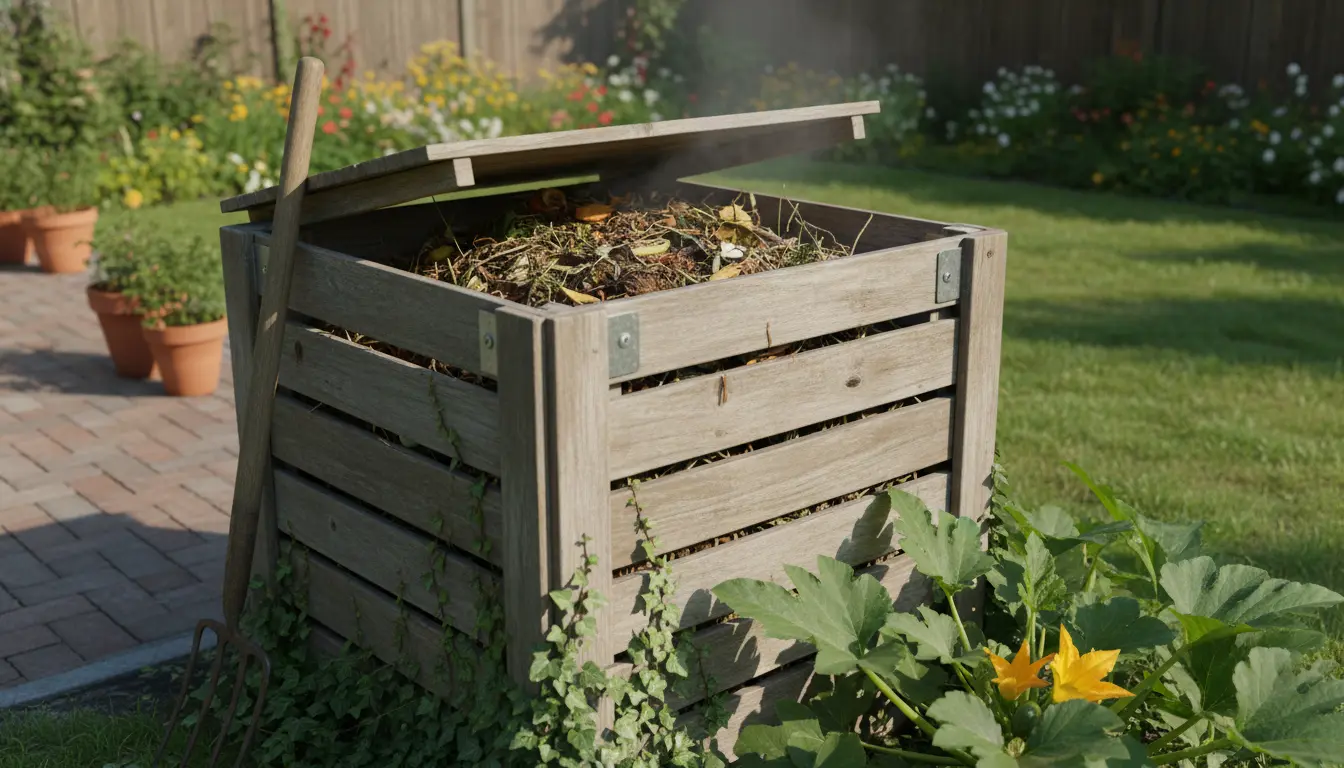
Home Composting for Beginners Getting Started
Home composting is a practical way to turn kitchen scraps and yard waste into nutrient-rich soil. You do not need special skills or expensive equipment to begin.
This guide walks through the basic steps, common problems, and how to use finished compost in your garden. Follow simple routines and you will see results within a few months.
Why Home Composting Matters
Composting reduces household waste and improves soil health. It also cuts the need for chemical fertilizers and supports a circular approach to organic materials.
Even small households can compost successfully with minimal space and effort.
Home Composting for Beginners Choosing a System
Select a composting system that fits your space, budget, and time. Common options include bins, tumblers, and simple piles.
- Plastic bins: Affordable and low-maintenance for small yards.
- Tumblers: Easier to turn and faster decomposition.
- Open piles: Good for larger gardens but need more management.
Place the bin on soil or grass so worms and microbes can access the pile.
Materials to Compost
Successful composting depends on mixing two material types: greens and browns.
- Greens (nitrogen): vegetable scraps, coffee grounds, fresh grass clippings.
- Browns (carbon): dry leaves, shredded paper, cardboard, straw.
Aim for a balanced mix of both types to promote efficient decomposition.
Home Composting for Beginners How to Build a Pile
Start with a base layer of coarse browns to create airflow. Add alternating layers of greens and browns in 2–4 inch layers.
Keep the pile roughly 3 feet wide and 3 feet tall when possible for optimal heat retention. Smaller piles will still work but decompose more slowly.
Moisture and Aeration
Maintain moisture like a wrung-out sponge: damp but not dripping. Too wet causes odors; too dry slows decomposition.
Turn the pile every 1–2 weeks to add oxygen. Tumblers simplify this step, but manual turning with a pitchfork also works well.
Home Composting for Beginners Troubleshooting Common Problems
New composters often face a few predictable issues. Troubleshoot quickly to keep the pile healthy and productive.
- Bad smell: Add more browns and turn the pile. Odors usually mean excess moisture or compacted material.
- Slow breakdown: Chop materials into smaller pieces and maintain moisture and oxygen.
- Pests: Avoid adding meat, dairy, or oily foods. Use a closed bin or bury food scraps in the center of the pile.
What Not to Compost
Do not add diseased plants, invasive weeds with seeds, pet waste, or processed foods. These items can introduce pathogens or persist in the finished compost.
Home Composting for Beginners Harvesting and Using Compost
Compost is ready when it looks dark, crumbly, and smells earthy. This usually takes 3–12 months depending on conditions.
Sift if you want a fine texture, or use as-is for garden beds and around trees.
- Garden beds: Mix 1–2 inches of compost into topsoil.
- Containers: Add a 20–30% compost mix to potting soil.
- Topdressing: Apply a thin layer around lawns or perennials for slow nutrient release.
Real World Example Case Study
Sara, a homeowner with a small backyard, started a 60-gallon tumbler. She added kitchen scraps and shredded leaves in a 1:2 ratio of greens to browns. After two months of turning every week, she had usable compost for container vegetables.
Sara reduced her weekly trash by nearly half and reported healthier tomato plants the next season. Small, consistent effort made the process reliable for her household.
Composting can cut household organic waste by up to 30 to 50 percent and returns nutrients to the soil, reducing the need for synthetic fertilizers.
Quick Checklist for Home Composting for Beginners
- Choose a bin or tumbling system that fits your space.
- Balance greens and browns roughly 1:2 by volume.
- Keep the pile moist and aerated; turn regularly.
- Avoid meat, dairy, diseased plants, and pet waste.
- Harvest when dark and crumbly, then use in beds or containers.
Next Steps and Practical Tips
Start small and track what you add each week. Make minor adjustments to moisture and materials based on how fast the pile heats and how it smells.
Join a local gardening group or visit community composting sites to learn regional best practices. Experience will speed up your success.
With simple routines and a basic understanding of materials, home composting becomes a reliable, low-effort way to improve soil and reduce waste. Begin with one small bin and refine your system over a few months.