
Why Start a Small Vegetable Garden
Growing vegetables at home saves money and improves the taste and nutrition of your meals. A small vegetable garden is easier to manage and requires less time than a large plot.
This guide gives practical, step-by-step instructions for planning, planting, and maintaining a small vegetable garden you can keep year-round.
Plan Your Small Vegetable Garden
Start by choosing a space and deciding the size of your small vegetable garden. A common beginner size is 4 by 8 feet or a couple of 2 by 4 raised beds.
Sketch a simple plan listing the vegetables you want, their spacing needs, and where you’ll place pathways or access points.
Choose Location for Small Vegetable Garden
Pick a spot with at least 6 hours of direct sunlight for most vegetables. Ensure easy access to water and a level area for planting.
Consider microclimates: walls and fences can provide wind protection or extra warmth for heat-loving crops.
Decide on Ground Beds or Raised Beds
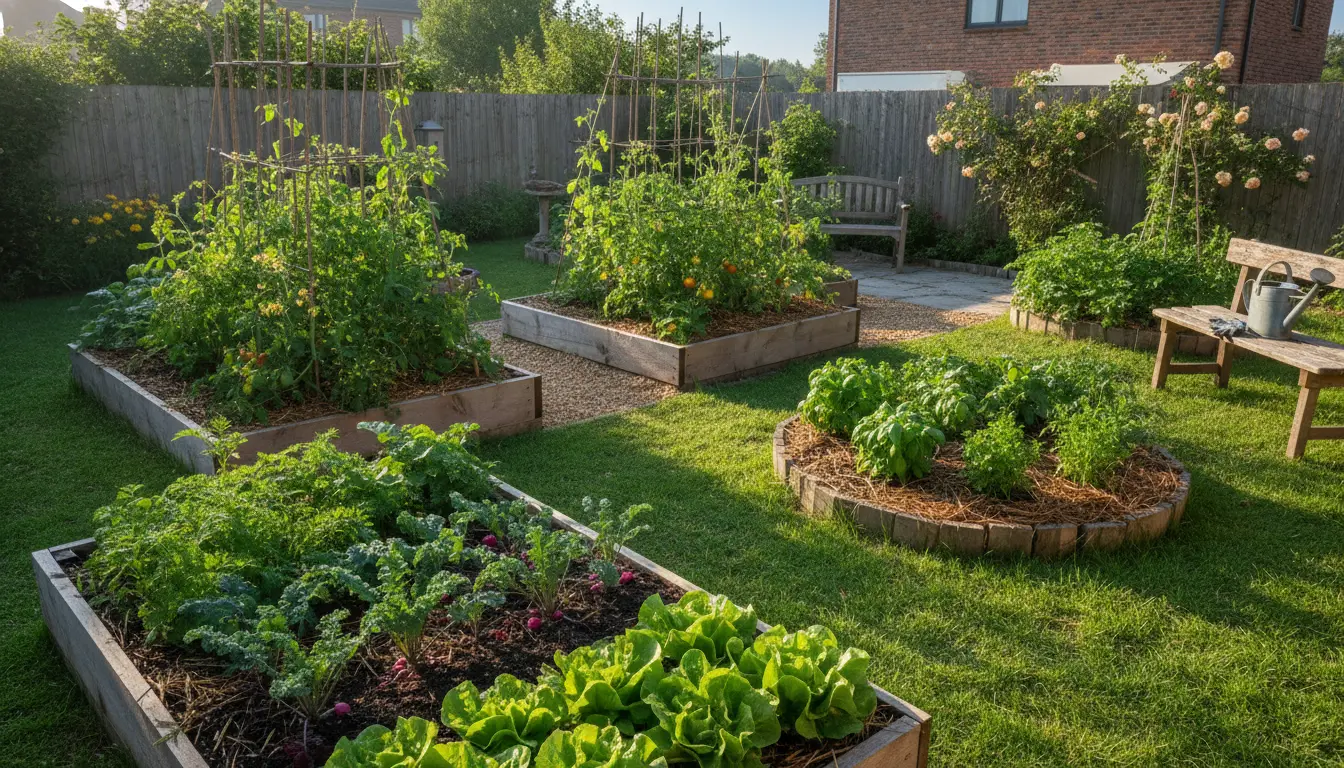
Raised beds are ideal for small vegetable gardens because they warm faster, drain well, and keep soil depth consistent. Ground beds are simpler but may need more soil amendment.
Choose materials for raised beds like untreated cedar, recycled composite, or stone for durability and safety.
Prepare Soil for a Small Vegetable Garden
Good soil is the most important factor for success in a small vegetable garden. Test soil pH and texture if possible to guide amendments.
Mix in compost and a balanced organic fertilizer to improve drainage and nutrient content. Aim for a loose, crumbly texture.
- Topsoil: Use 6–12 inches as a planting zone in raised beds.
- Compost: Add 25–40% compost by volume for fertility and structure.
- Mulch: Apply mulch after planting to retain moisture and suppress weeds.
Choose Vegetables for a Small Vegetable Garden
Pick high-yield, space-efficient crops that fit your climate and season. Consider what you and your family actually eat to avoid waste.
Good beginner choices include tomatoes, peppers, lettuce, radishes, bush beans, and herbs like basil and parsley.
Use Succession Planting and Companion Planting
Succession planting extends harvest by replanting short-season crops like lettuce and radishes every few weeks. Companion planting can reduce pests and improve yields.
Examples: Plant basil near tomatoes, and sow marigolds to deter nematodes and pests.
Planting and Watering Tips
Follow seed packet or plant label spacing and depth recommendations to avoid overcrowding. Water deeply and less often to encourage strong roots.
Use drip irrigation or soaker hoses for consistent moisture in a small vegetable garden. Early morning watering reduces evaporation and disease risk.
- Watering schedule: 1–2 times per week, deeper soaks rather than daily sprinkling.
- Seedlings: Keep soil consistently moist until established.
- Mulch: 2–3 inches of organic mulch helps retain moisture and regulate temperature.
Maintenance for a Small Vegetable Garden
Regular maintenance keeps a small vegetable garden productive without becoming a chore. Spend short, frequent sessions weeding, checking for pests, and harvesting.
Prune and stake plants like tomatoes and peppers to improve air circulation and fruit quality.
Pest and Disease Management
Monitor plants weekly for signs of pests or disease. Use physical controls like handpicking, row covers, or beneficial insects before chemical options.
Rotate crops yearly to reduce disease buildup and avoid planting the same family in the same spot two seasons in a row.
Simple Seasonal Calendar for a Small Vegetable Garden
Follow a basic seasonal plan to keep your garden productive:
- Spring: Prepare beds, sow cool-season crops, transplant seedlings.
- Summer: Maintain watering, stake tall plants, harvest regularly.
- Fall: Plant cool-season greens, add compost, clear spent plants.
- Winter: Protect beds with mulch or cold frames in colder climates.
Raised beds warm faster in spring and can extend your growing season by several weeks. They also reduce soil compaction and improve drainage for healthier roots.
Case Study: A Small Backyard Bed That Yielded All Summer
Anna, a busy teacher, converted a 4 x 8 foot corner of her yard into a raised bed. She used a 50/50 mix of compost and topsoil and planted determinate tomatoes, bush beans, and mixed salad greens.
With weekly 30-minute maintenance and drip irrigation, Anna harvested salad greens all summer and froze tomatoes for winter sauces. Her garden paid for itself in grocery savings within one season.
Practical Checklist to Start Your Small Vegetable Garden
- Choose location with 6+ hours sun.
- Select bed type: raised or ground.
- Prepare soil with compost and organic amendments.
- Choose crops suited to your season and space.
- Install irrigation or plan a watering routine.
- Mulch, monitor, and harvest regularly.
Final Tips for Small Vegetable Garden Success
Start small and expand as you gain confidence. Keep records of planting dates and varieties to improve yields each year.
Enjoy the process—gardening is iterative. Small consistent actions deliver steady harvests and greater satisfaction than occasional large efforts.