
Why start a small vegetable garden
Growing vegetables in a small space saves money, improves food quality, and gives you fresh produce within walking distance. Small gardens are easier to manage and can fit patios, balconies, or a narrow backyard.
This guide explains how to start a small vegetable garden with practical steps you can apply in a weekend or over a season.
Start a Small Vegetable Garden: Plan Your Space
Measure available space and note sun exposure for at least part of the day. Most vegetables need 6–8 hours of sunlight; leafy greens tolerate less light.
Decide on planting method: containers, raised beds, or in-ground rows. Choose a layout that allows access to each plant for watering and harvesting.
Choose crops for a small vegetable garden
Pick high-yield, space-efficient varieties. For a beginner-friendly list, consider:
- Leafy greens: lettuce, spinach, arugula
- Compact fruiting plants: cherry tomatoes, bush beans, peppers
- Root vegetables: radishes, baby carrots, beets
- Herbs: basil, parsley, chives
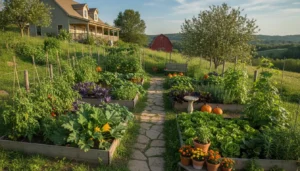
Plan succession planting to keep beds productive—stagger sowing every 2–3 weeks for continuous harvest.
Start a Small Vegetable Garden: Soil and Containers
Good soil is the most important element. If using containers or raised beds, use a quality mix of topsoil, compost, and a little coarse sand for drainage.
For in-ground gardens, improve native soil by adding 2–4 inches of compost and turning the top 6–8 inches. Test pH if possible; most vegetables prefer pH 6.0–7.0.
Container and raised bed tips
- Container size: tomatoes need 5+ gallons; herbs do well in 1–3 gallon pots.
- Drainage: ensure pots have holes and use lightweight potting mix for faster warming.
- Raised beds: 4 feet wide is ideal so you can reach the middle without stepping inside.
Start a Small Vegetable Garden: Planting and Care
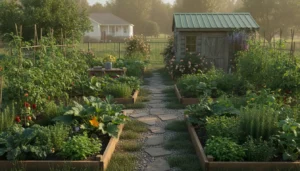
Follow seed packet or plant tag instructions for spacing and depth. Overcrowding reduces air circulation and increases disease risk.
Water consistently. Young seedlings need regular moisture but avoid waterlogging. Early morning watering reduces evaporation and disease risk.
Fertilizing and mulching
Use a balanced, slow-release fertilizer at planting and a side-dress of compost mid-season. Mulch with straw or shredded leaves to suppress weeds and retain moisture.
Start a Small Vegetable Garden: Pest and Disease Management
Monitor plants weekly. Remove damaged leaves, and handpick large pests like beetles or slugs. Encourage beneficial insects by planting flowers like marigolds or calendula.
Use row covers to protect young plants from insects. For fungal issues, improve air flow and avoid overhead watering.
Organic options and minimal interventions
- Soap spray for soft-bodied insects like aphids
- Diatomaceous earth for crawling pests
- Beneficial nematodes for soil-dwelling pests
Start a Small Vegetable Garden: Harvesting and Rotation
Harvest frequently to encourage continued production. Pick leafy greens when young for better texture and taste.
Practice crop rotation each season to reduce pest and disease buildup. Move nightshades (tomato, pepper) away from the previous location where possible.
Interplanting basil with tomatoes can improve tomato flavor and may reduce some pests. Companion planting helps use space efficiently in a small vegetable garden.
Simple tools and budget considerations
You don’t need a lot of gear to start. Basic tools include a trowel, watering can or hose with a gentle nozzle, pruners, and a soil fork if working in-ground.
Reuse materials where safe: food-safe buckets, reclaimed wood for raised beds, and local compost can keep costs low.
Season extension options
- Cold frames or cloches for early spring starts
- Row covers to shield from light frosts
- Shade cloth for hot afternoons in summer
Real-World Example: Case Study
Case study: Sarah converted a 10 ft by 4 ft sunny strip next to her porch into a raised bed. She filled it with a 50/50 mix of compost and topsoil, then planted cherry tomatoes, bush beans, radishes, and basil.
After three months she harvested multiple tomato trusses and several pickings of beans. Succession sowing of lettuce every two weeks provided continuous salad greens. She reported spending 30 minutes twice a week on watering and harvesting, which kept maintenance manageable.
Start a Small Vegetable Garden: Quick Checklist
- Measure space and check sun exposure
- Choose containers or build a 4×10 raised bed
- Amend soil with compost; use quality potting mix for containers
- Pick compact varieties and plan succession planting
- Water consistently and mulch to conserve moisture
- Monitor pests weekly and use organic controls where possible
Final tips to start a small vegetable garden successfully
Start small and expand as you gain confidence. A few well-tended beds produce more than many neglected ones.
Keep records: note planting dates, varieties, and harvest yields. This simple log will improve planning and outcomes next season.
With basic planning, good soil, and regular care, you can start a small vegetable garden that provides fresh produce and a satisfying hobby.