
Why Home Composting for Beginners Matters
Home composting turns kitchen scraps and yard waste into nutrient-rich soil. This reduces waste sent to landfills and improves garden soil health.
For beginners, composting is both simple and rewarding when you follow a few basic rules. This guide gives step-by-step instructions and practical tips to succeed.
Choose the Right Method for Home Composting for Beginners
There are several composting methods that suit different homes and lifestyles. Pick one that fits the amount of space, time, and type of waste you produce.
- Cold pile composting — Low maintenance, slower results, suitable for larger yards.
- Hot composting — Faster breakdown, requires turning and monitoring for heat and moisture.
- Tumbler composting — Enclosed container that is easy to turn and keeps pests out.
- Vermicomposting — Uses worms to compost indoors or in small spaces.
What to Compost: Basic Rules
Knowing what to add and what to avoid is essential for good results. Balance green materials (nitrogen) and brown materials (carbon).
- Greens: vegetable scraps, coffee grounds, grass clippings.
- Browns: dry leaves, cardboard, shredded paper, straw.
- Avoid: meat, dairy, oils, diseased plants, pet waste from carnivores.
Simple Mix Ratio
Aiming for roughly 2 to 3 parts brown to 1 part green creates a stable compost. Chop or shred larger items to speed decomposition.
Step-by-Step: How to Start Home Composting for Beginners
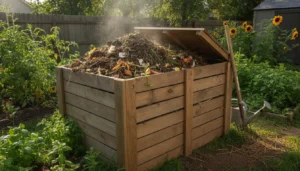
Follow these practical steps to begin. You can adjust as you learn what works in your home environment.
- Pick a bin or spot: Choose a shady, well-drained location or a tumbler for compact spaces.
- Layer the base: Start with coarse browns like twigs to improve airflow at the bottom.
- Add materials in layers: Alternate greens and browns; keep a lid or cover to retain moisture.
- Maintain moisture: Compost should be as damp as a wrung-out sponge.
- Turn occasionally: For hot composting, turn every 1–2 weeks; cold piles need turning less often.
- Wait and cure: Compost is ready when dark, crumbly, and earthy-smelling — typically 2–12 months depending on method.
Troubleshooting Common Problems
Beginners often run into simple problems that you can fix with quick adjustments. Check these common issues first.
- Bad odors — add more browns and turn the pile to add air.
- Too dry — add water and greens to rehydrate the pile.
- Pests — use an enclosed bin or bury food scraps; avoid meat and oily foods.
- Slow breakdown — chop materials smaller, add more greens, and ensure good moisture and airflow.
Monitoring Temperature and Moisture
For hot composting, a thermometer helps. Ideal internal temperature is 130–160°F (54–71°C). Moisture content is as important as temperature for microbes to work efficiently.
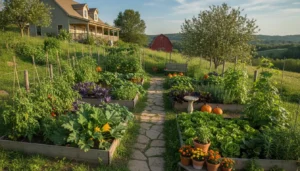
Composting can reduce household waste by up to 30 percent. Good compost improves soil structure and can reduce the need for chemical fertilizers.
Real-World Example: Small Backyard Compost Success
Lina, a city homeowner, started with a 50-gallon tumbler on her balcony. She collected kitchen scraps in a sealed container and added shredded paper as browns.
After three months of weekly turning and simple adjustments for moisture, Lina used the finished compost in her potted herbs. Her plants showed stronger growth and she stopped buying bagged potting mix.
Tips to Make Home Composting for Beginners Easier
- Keep a small countertop caddy with a charcoal filter to reduce odors between trips to the bin.
- Save eggshells and crush them before adding; they add calcium and reduce clumping.
- Use shredded paper or cardboard during rainy seasons to absorb excess moisture.
- Start small — a 20–50 gallon bin is enough for a family of two to four.
When to Use Your Finished Compost
Mix finished compost into garden beds at a rate of 1–2 inches over the soil, or blend into potting mixes up to 20 percent by volume. It improves nutrient retention and soil texture.
Final Checklist for Home Composting for Beginners
- Choose a method that fits your space and schedule.
- Balance greens and browns and maintain moisture.
- Turn the pile as needed and watch for pests or odors.
- Use finished compost to enrich soil and reduce fertilizer use.
Starting home composting is a low-cost way to reduce waste and improve your garden. With the basics covered, most beginners find the process simple and satisfying.