
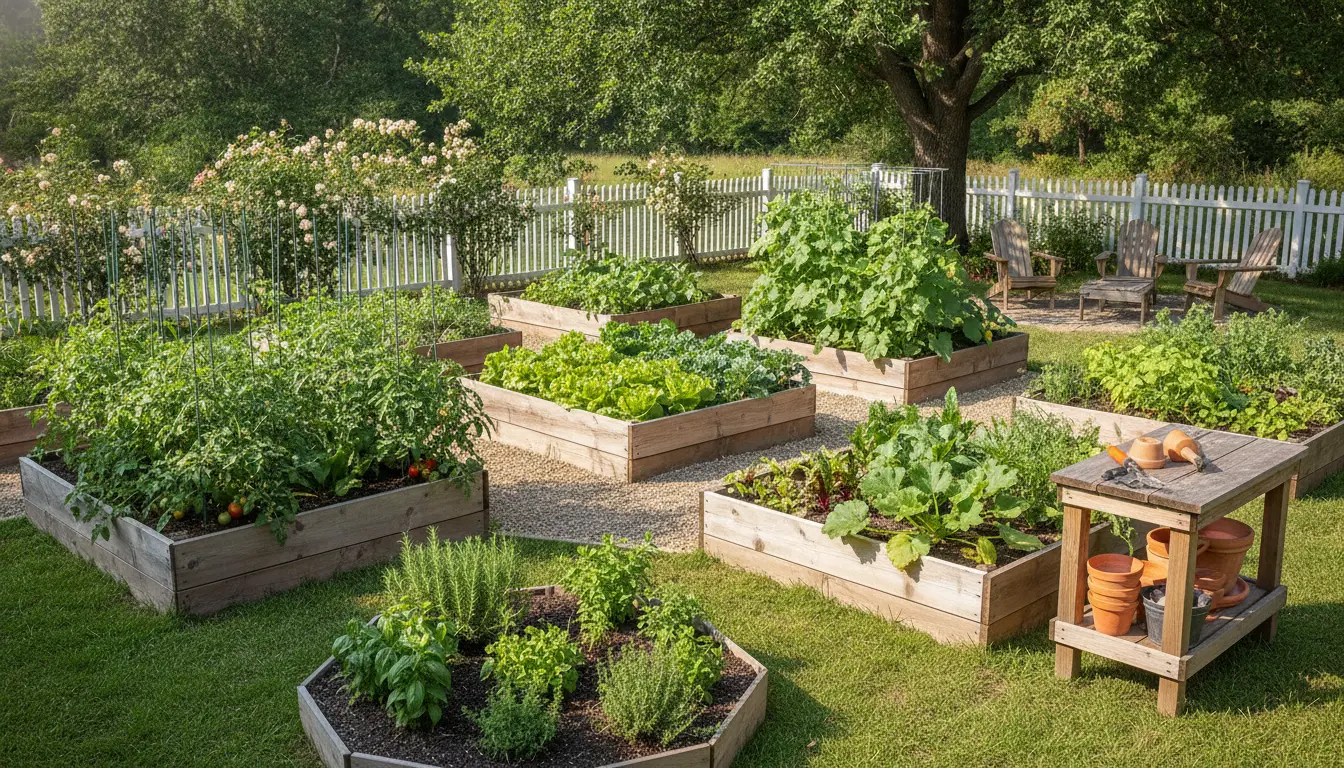
Why Start a Vegetable Garden
Growing your own vegetables gives fresh produce, saves money, and improves well being. It also helps you learn soil care and seasonal planning.
This guide teaches practical steps to start a vegetable garden, even if you have limited space or experience. Follow the steps and adjust for your climate.
How to Start a Vegetable Garden: 7 Practical Steps
These seven steps cover site choice, soil, plant selection, planting, care, pest management, and harvesting. Take them one at a time.
Step 1: Choose a Sunny Spot
Most vegetables need 6 to 8 hours of direct sun a day. Observe sunlight across the day to find the best location.
If you lack ground space, use containers or raised beds on a sunny balcony or patio. Position containers to receive maximum midday sun.
Step 2: Plan Your Garden Layout
Sketch a simple layout showing beds, paths, and containers. Consider accessibility for planting and harvesting.
- Leave at least 18 inches between beds for easy access.
- Group plants by water needs to simplify care.
- Use vertical space for vining crops like beans or cucumbers.
Step 3: Prepare Soil and Compost
Good soil is the most important factor for success. Aim for loose, well-draining soil rich in organic matter.
Mix 2 to 4 inches of compost into the top 6 to 12 inches of soil. For containers, use a quality potting mix blended with compost.
Step 4: Choose Easy Vegetables to Start a Vegetable Garden
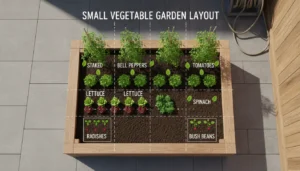
Start with forgiving crops that grow quickly and tolerate beginner mistakes. Examples include lettuce, radishes, spinach, bush beans, and cherry tomatoes.
Use seed packets or plant tags to check days to maturity and spacing requirements before planting.
Step 5: Plant at the Right Time
Check your local last frost date and plant accordingly. Cool-season crops like lettuce and peas go in early spring or fall.
Warm-season crops such as tomatoes and peppers should be planted after frost risk has passed. Consider starting seeds indoors when needed.
Step 6: Watering and Mulching
Most vegetable gardens need consistent moisture. Water deeply once or twice a week rather than frequent shallow sprays.
- Use drip irrigation or soaker hoses to deliver water to roots.
- Apply 2 to 3 inches of organic mulch to conserve moisture and suppress weeds.
Step 7: Monitor Pests, Diseases, and Harvest
Inspect plants weekly for pests and signs of disease. Early detection reduces damage and makes treatment easier.
Use physical controls like row covers, handpicking, or barriers before chemical options. Harvest vegetables when ripe to encourage continued production.
Quick Case Study: Small Urban Garden
Case study: A city renter converted a 6-foot balcony into a productive vegetable space. They used four 12-inch deep containers, good potting mix, and vertical trellis for cucumbers.
In one season they harvested cherry tomatoes, basil, leaf lettuce, and green beans. The renter saved money on groceries and learned to rotate crops each season.
Common Problems and Simple Solutions When You Start a Vegetable Garden
Every garden faces issues. Here are quick fixes for frequent problems beginners see.
- Yellow leaves: Check watering and soil nutrients. Add compost and adjust watering.
- Slugs and snails: Use beer traps or handpick at dawn and dusk.
- Poor fruiting: Ensure 6+ hours of sun and appropriate fertilizer high in phosphorus.
- Overcrowding: Thin seedlings to recommended spacing to improve airflow and growth.
Simple Planting Calendar for a Beginner
Use this basic calendar as a starting point. Adjust for your climate and local frost dates.
- Early Spring: Plant peas, spinach, radishes, and lettuce.
- Late Spring: Plant tomatoes, peppers, beans, and squash.
- Fall: Plant cover crops or fall lettuces and kale.
Checklist to Help You Start a Vegetable Garden
- Choose a sunny site or suitable containers.
- Prepare soil with compost or buy quality potting mix.
- Select easy crops and check planting dates.
- Mulch and water deeply, monitor pests weekly.
- Harvest regularly and keep notes for next season.
Final Tips for Success
Start small to avoid overwhelm. A single raised bed or a few containers can teach you core skills without a large time investment.
Keep a simple garden journal with planting dates, varieties, and observations. That record improves decisions for the next season.
With basic planning and weekly attention, you can start a vegetable garden that produces tasty, healthy food. Begin with easy crops, improve soil gradually, and learn by doing.