
Container vegetable gardening makes it possible to grow fresh produce in small spaces like balconies, patios, or a sunny windowsill. This guide covers the essential steps to plan, plant, and maintain a productive container garden using practical, actionable advice.
Getting Started with Container Vegetable Gardening
Start by assessing your space and sunlight. Most vegetables need at least 6 hours of direct sun per day.
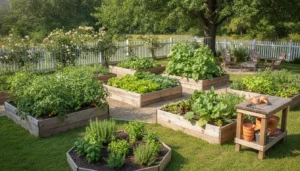
Decide how many containers you can manage and what vegetables you want to eat. Prioritize high-yield, compact varieties for small areas.
Benefits of container vegetable gardening
- Fits limited spaces and urban settings.
- Improves soil control and drainage.
- Reduces weed pressure and pest access.
- Portable: containers can be moved for optimal light.
Choosing Containers for Container Vegetable Gardening
Select containers that match plant needs. Depth and width matter more than style.
Use containers with drainage holes to prevent root rot. Elevate pots slightly to allow water to flow out.
Container types and sizes
- Small pots (1–3 gallons): herbs, lettuce, radishes.
- Medium pots (5–10 gallons): peppers, bush beans, dwarf tomatoes.
- Large containers (15+ gallons): indeterminate tomatoes, potatoes, small fruiting plants.
Soil, Potting Mix, and Fertilizer
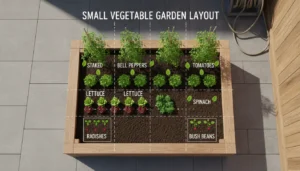
Use a lightweight, well-draining potting mix formulated for containers. Avoid using garden soil alone—it compacts and drains poorly.
Amend mixes with compost for nutrients and water-holding capacity.
Feeding schedule for container vegetable gardening
- At planting: mix in slow-release granular fertilizer or compost.
- Every 2–4 weeks: apply a liquid fertilizer high in potassium and balanced nitrogen for leafy and fruiting growth.
- Monitor plant vigor and adjust feeding; container crops use nutrients faster than in-ground crops.
Watering Best Practices
Containers dry out faster than garden beds, so consistent watering is crucial. Check moisture daily in hot weather.
Water deeply until excess drains from the bottom. This encourages roots to grow through the container.
Tips to reduce watering frequency
- Use mulch such as straw or shredded bark on top of the soil.
- Group containers with similar water needs together.
- Consider self-watering containers or a simple drip irrigation system with a timer.
Choosing Vegetables for Container Vegetable Gardening
Pick varieties labeled for containers, patios, or compact growth. Determinate and bush types are easier to manage.
Good container vegetables include tomatoes (bush or patio types), peppers, lettuce, spinach, radishes, bush beans, and compact cucumbers.
Succession planting and companion choices
- Succession plant quick crops (radishes, lettuce) after early harvests to maximize space.
- Companion planting: basil and tomatoes grow well together and can improve flavor and pest resistance.
Maintenance and Pest Management
Inspect plants weekly for signs of pests or disease. Early detection makes control easier.
Use physical controls like hand-picking pests, sticky traps, or row covers. Use organic sprays as a last resort and follow label directions.
Common container problems
- Yellowing leaves: often nutrient deficiency or overwatering.
- Wilting: check soil moisture and root health.
- Pest damage: aphids, whiteflies, and slugs are common; treat promptly.
Container-grown plants can produce harvests comparable to in-ground plants when properly managed. A single 10-gallon container with a determinate tomato plant can yield several pounds of fruit in a season.
Small Real-World Example: Balcony Success
Case Study: Emma, a city apartment resident, converted a 6-foot balcony into a container vegetable garden. She used three 10-gallon containers for determinate tomatoes, two 5-gallon pots for peppers, and multiple 1–2 gallon pots for herbs and salad greens.
By choosing compact varieties, using quality potting mix, and installing a simple drip hose on a timer, she harvested fresh basil all summer and 25 pounds of cherry tomatoes across the season. Regular feeding and weekly inspections kept pests minimal.
Seasonal Care and Planning
Plan for season changes: move containers to protect roots from extreme heat or cold. For winter, bring sensitive containers indoors or insulate them.
Rotate crops yearly if possible to reduce disease pressure and maintain soil fertility with added compost in spring.
Quick checklist before planting
- Assess sunlight and space.
- Choose appropriate container sizes and drainage.
- Select potting mix and fertilizer.
- Pick compact, high-yield varieties.
- Set up watering method and schedule.
Container vegetable gardening is accessible, flexible, and rewarding. With the right containers, soil, watering routine, and plant choices, even the smallest space can produce fresh vegetables all season long.