
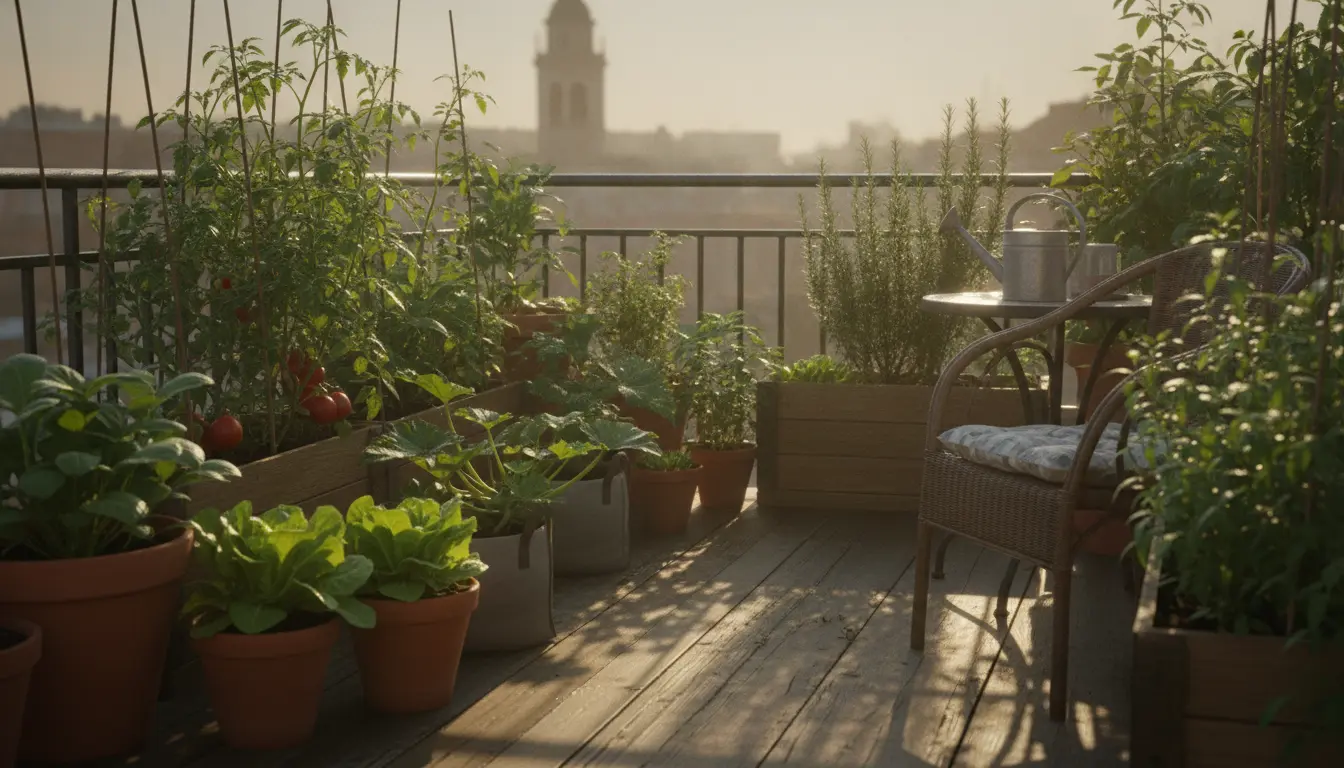
How to Start a Vegetable Container Garden: Step-by-Step
Starting a vegetable container garden is an efficient way to grow fresh produce when space is limited. You can use balconies, patios, rooftops, or even windowsills to grow herbs, greens, and small fruiting plants.
This guide gives practical steps to start a vegetable container garden and keep it productive through the season.
Why start a vegetable container garden
Container gardening reduces weeding, limits pest exposure, and gives control over soil quality. It is ideal for renters and urban gardeners who lack in-ground space.
Containers also let you move plants to capture sun or shelter them from extreme weather.
Choose containers for your vegetable container garden
Select containers with good drainage and enough volume for the plant roots. Larger pots retain moisture better and support bigger crops.
- Small herbs: 6 to 8 inch pots.
- Leafy greens: 10 to 12 inch wide containers.
- Tomatoes, peppers: 5 gallon or larger containers.
Use sturdy materials like terracotta, plastic, or fabric grow bags. Make sure there are holes at the bottom or add drainage layers.
Pick the right soil and fertilizer
Use a high-quality potting mix rather than garden soil to ensure good aeration and drainage. Potting mixes lighten the container and reduce compaction.
Blend in slow-release organic fertilizer or use liquid feeds according to the plant type. Replenish nutrients every 4 to 6 weeks during the growing season.
Select vegetables for container gardening
Choose varieties known to do well in containers. Compact, determinate, or dwarf cultivars save space and are easier to manage.
- Herbs: basil, parsley, thyme, chives.
- Leafy greens: lettuce, spinach, arugula.
- Fruit-bearing: patio tomatoes, dwarf peppers, bush beans.
- Root crops: radishes, small carrots in deeper pots.
Consider succession planting to maximize harvests from limited pots.
Sunlight and placement for a vegetable container garden
Most vegetables need 6 to 8 hours of direct sunlight daily. Track sun patterns on your balcony or patio before placing pots.
If sunlight is limited, prioritize leafy greens and herbs which tolerate partial shade. Use reflective surfaces or move containers as light shifts through the season.
Watering and drainage tips
Container plants dry out faster than in-ground plants. Water when the top inch of soil feels dry. Water deeply so roots are moistened throughout the pot.
Use saucers to catch runoff, but empty them to avoid root rot. Consider self-watering containers or a drip system for consistent moisture.
Maintenance and pest control for your vegetable container garden
Regular tasks keep a container garden productive: pinching, pruning, and removing yellow leaves improves airflow. Check plants weekly for pests like aphids or whiteflies.
Use gentle controls first: hand removal, insecticidal soap, or row covers for small infestations. Rotate crops in containers between seasons to reduce disease buildup.
Harvesting tips
Harvest frequently to encourage new growth. For herbs, pinch outer leaves and avoid removing more than one-third of the plant at a time.
Pick tomatoes and peppers when fully colored, and pull radishes when roots reach recommended size to avoid woody texture.
Tools and supplies checklist
Keep these basic items handy to start and maintain your vegetable container garden:
- Quality potting mix and compost
- Containers with drainage
- Slow-release fertilizer or liquid feed
- Hand trowel, pruners, watering can or hose
- Stakes, cages, or trellises for support
Small real-world example: Balcony tomato and herb setup
Case study: A two-bedroom apartment balcony used three 5-gallon pots for patio tomatoes and four 8-inch pots for mixed herbs. The gardener placed pots along the south-facing railing to get morning and midday sun.
They used a lightweight potting mix with added slow-release fertilizer and watered every other day. By late summer, each tomato plant produced 8 to 12 medium fruits, and herbs were harvested weekly for salads and cooking.
This setup required about 20 minutes of maintenance twice weekly and yielded fresh produce without a full garden bed.
Common mistakes to avoid when you start a vegetable container garden
Avoid these pitfalls to keep plants healthy:
- Using garden soil that compacts and drains poorly.
- Choosing containers that are too small for the plant type.
- Overwatering or leaving waterlogged trays under pots.
- Ignoring nutrient needs over the season.
Final checklist to start a vegetable container garden
Before you plant, confirm these items:
- Appropriate containers with drainage
- Potting mix and fertilizer
- Plant selection matched to sunlight and pot size
- Watering plan and basic tools
With preparation and weekly attention, a container garden can yield fresh vegetables and herbs even in compact spaces. Start small, learn the microclimate of your space, and expand in future seasons based on what worked.