
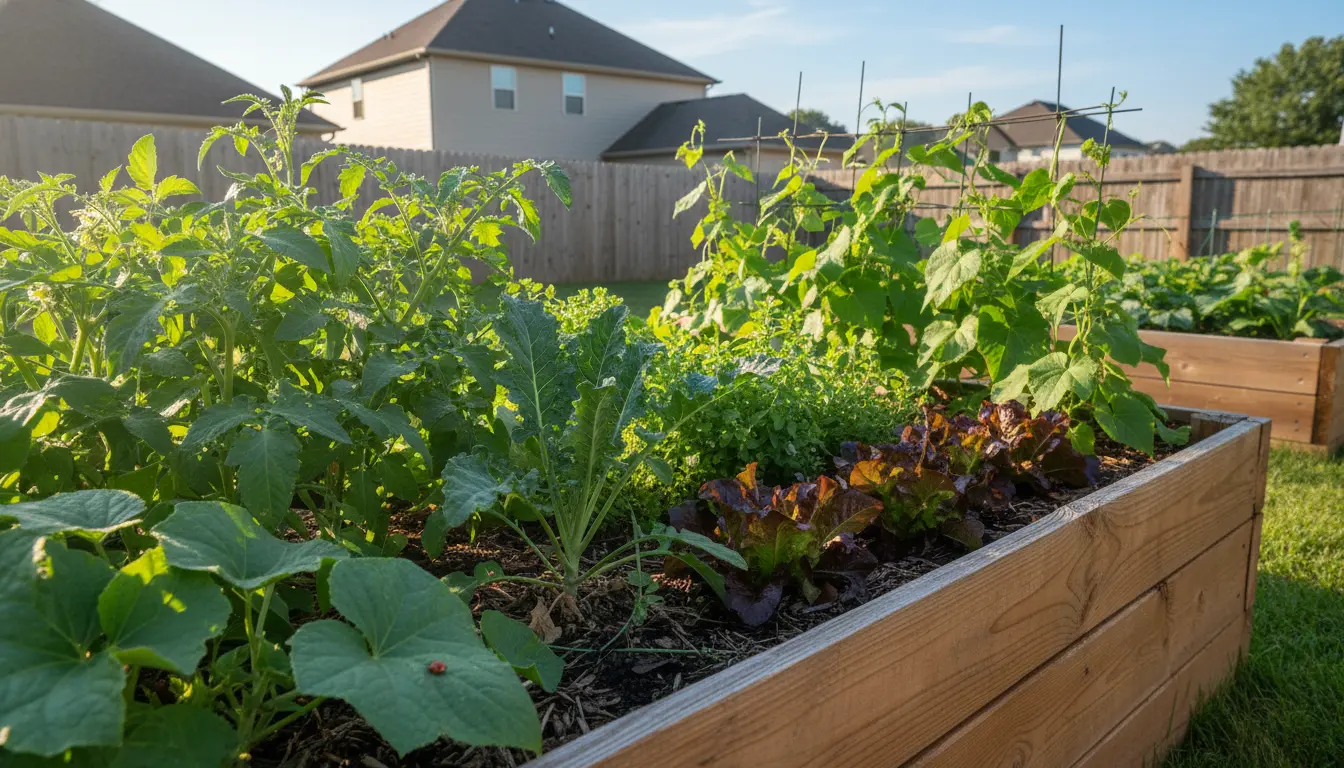
Starting a vegetable garden is a manageable project even for first-time gardeners. This guide lays out clear, practical steps to help you choose a site, prepare soil, pick plants, and maintain your garden through the season.
Why Start A Vegetable Garden
Growing food at home saves money and gives you fresh produce at peak flavor. It also connects you with seasonal cycles and reduces food miles. Many small gardens return value in nutrition and enjoyment beyond the initial work.
Step 1: Choose The Right Site To Start A Vegetable Garden
Select a location with at least 6 hours of direct sunlight for most vegetables. Avoid low spots that stay wet or areas shaded by large trees. Consider access to water and how visible the plot will be for daily care.
Site checklist to start a vegetable garden
- 6+ hours of sun for tomatoes, peppers, and beans
- Good drainage to prevent root rot
- Close to a water source for easy watering
- Accessible for weeding, harvesting, and monitoring pests
Step 2: Prepare Soil Before You Plant
Healthy soil is the most important factor for success. Start by testing soil if possible, or assess texture and organic matter. Aim for loose, well-draining soil with steady fertility.
How to improve soil when you start a vegetable garden
- Add 2–3 inches of compost and work it into the top 6–8 inches of soil
- Use aged manure sparingly and incorporate well before planting
- For heavy clay, add coarse sand and compost to improve structure
- Consider raised beds if in-ground soil is poor or compacted
Step 3: Choose Plants For Your First Vegetable Garden
Pick a few easy, high-reward vegetables to begin with. Start small so you can maintain the beds properly. Choose varieties suited to your climate and season length.
Beginner-friendly vegetables
- Leafy greens: spinach, lettuce, Swiss chard
- Root crops: carrots, radishes, beets
- Warm-season: tomatoes, bush beans, peppers
- Herbs: basil, parsley, cilantro
Step 4: Planting And Spacing Tips
Follow seed packet or plant tag spacing to avoid overcrowding. Overcrowded plants compete for light and nutrients and breed disease. Use rows or blocks depending on the crop’s growth habit.
Practical planting tips
- Succession sow fast crops (e.g., radishes, lettuce) every 2–3 weeks
- Stagger tomato and pepper planting until last frost risk passes
- Use trellises for vining crops like cucumbers and pole beans
Step 5: Watering, Mulch, And Routine Care
Consistent water is critical for even growth and fruit set. Water early in the morning where possible and direct water to the root zone. Mulch reduces weeds and conserves moisture.
Simple maintenance checklist
- Water deeply 1–2 times per week, adjust for rainfall
- Apply 2–3 inches of organic mulch around plants
- Pull weeds when small to prevent competition
- Monitor for pests and remove damaged leaves promptly
Common Problems And Quick Fixes
Address problems early. Yellow leaves often mean uneven water or nutrient deficiency. Holes in leaves can indicate slugs or caterpillars; inspect at night or use physical barriers.
Pest and disease tips when you start a vegetable garden
- Use row covers for early-season insect control
- Rotate crops to reduce disease buildup in soil
- Remove heavily infected plants to limit spread
Small Real-World Example
Case Study: A 10 ft by 4 ft raised bed planted by a beginner produced good yields in a single season. The gardener planted 4 tomato plants, alternating rows of lettuce and bush beans, and mulched aggressively.
Results: About 60 pounds of produce over four months, including 25 lbs of tomatoes and continuous harvests of lettuce and beans. Time investment averaged 2–3 hours per week for watering, harvesting, and light weeding.
Final Tips To Keep Your Garden Productive
Keep records of planting dates and varieties to learn what works each year. Start small and expand as you gain confidence. Enjoy the learning process and adjust practices to your site and climate.
With the basic steps above, you can start a vegetable garden that provides fresh, flavorful produce and a satisfying hands-on hobby. Plan, prepare, and maintain consistently for the best results.