
Why start a vegetable garden
Growing your own vegetables saves money, improves food freshness, and gives you greater control over what goes into your food. For many people, gardening also reduces stress and increases time spent outdoors doing physical activity.
This guide explains how to start a vegetable garden with simple, practical steps you can follow regardless of space or experience. Use it to plan a backyard bed, containers, or a balcony setup.
How to start a vegetable garden Step by step
Start with a small, manageable project and expand as you gain confidence. The core steps are site selection, soil preparation, plant selection, planting, watering, maintenance, and harvest.
Choose a location to start a vegetable garden
Vegetables need direct sun to thrive. Pick a spot that receives at least six hours of sun per day. If sun is limited, choose crops that tolerate partial shade like leafy greens and herbs.
Consider access to water and convenience. A garden closer to the house is easier to maintain and more likely to get regular care.
Test and prepare soil before you start a vegetable garden
Good soil is the foundation of a productive garden. Test soil texture and pH using a home kit or local extension service. Most vegetables prefer a slightly acidic to neutral pH around 6.0 to 7.0.
Improve poor soil by adding compost, aged manure, or organic matter. For heavy clay, add coarse sand and compost to improve drainage. For sandy soils, add compost to increase water retention.
Choose vegetables to plant in your garden
Select crops that match your climate, season, and available space. Beginners should start with easy, high-reward plants such as tomatoes, lettuce, radishes, green beans, and herbs.
- Quick crops: radishes, lettuce, spinach
- High yield: tomatoes, bush beans, zucchini
- Container friendly: herbs, cherry tomatoes, salad greens
Planting and spacing when you start a vegetable garden
Follow seed packet or plant tag spacing recommendations to avoid overcrowding. Crowded plants compete for light and nutrients and are more prone to disease.
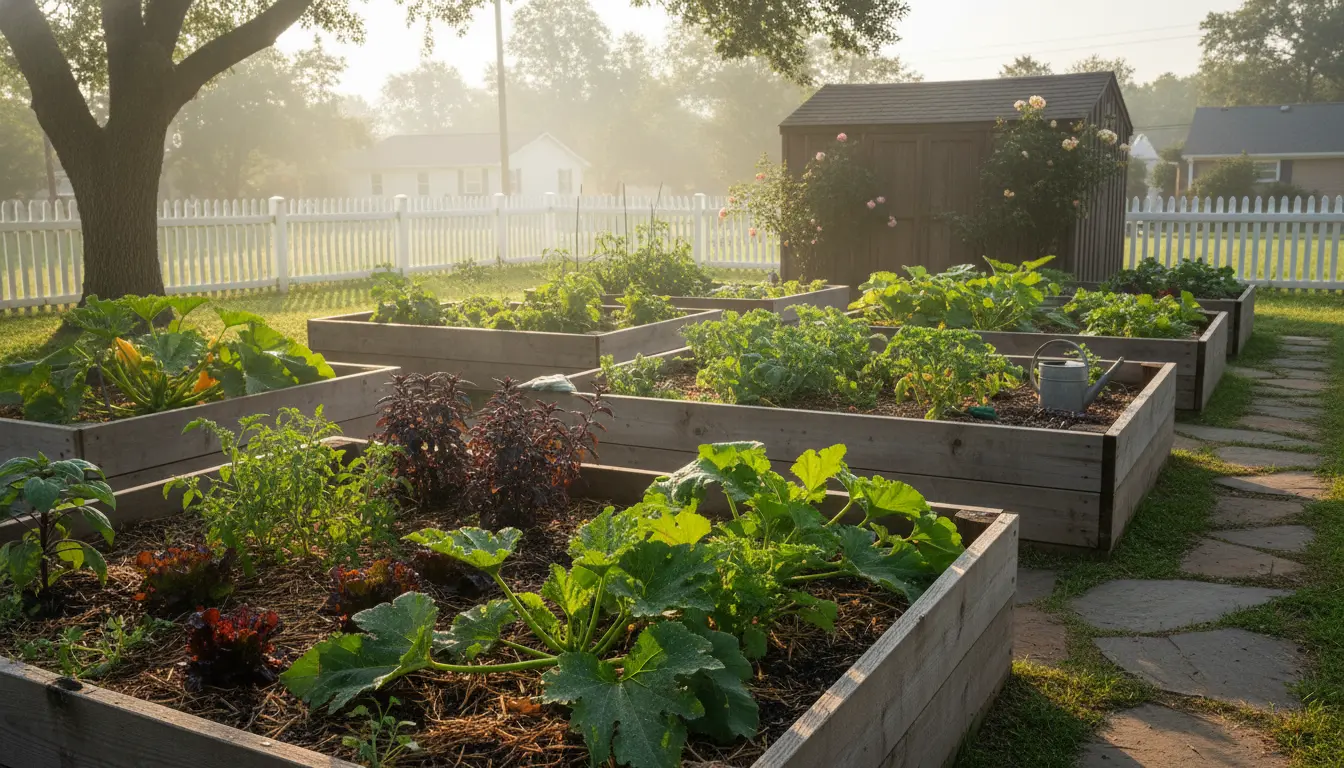
Use rows, raised beds, or containers depending on your space. Raised beds give better drainage and warmth in cooler climates.
Watering and fertilizing your vegetable garden
Water deeply and infrequently rather than shallow and often. A general rule is one inch of water per week, adjusted for rainfall and temperature. Early morning watering reduces disease risk.
Feed vegetables with a balanced organic fertilizer or compost tea during the growing season. Avoid over-fertilizing leafy vegetables if you want a balance of leaves and fruit.
Pest control and maintenance in a vegetable garden
Monitor plants regularly for pests and diseases. Early detection makes control easier and reduces crop loss. Use physical barriers like row covers, handpicking, and organic options like insecticidal soap when needed.
Practice crop rotation and avoid planting the same family in the same spot each season to reduce soil-borne diseases. Keep the area weeded to reduce competition for nutrients and water.
Harvesting from your vegetable garden
Harvest at peak ripeness for best flavor and continued production. Many plants produce more when you harvest regularly, such as beans and tomatoes.
Store or preserve excess harvest through freezing, canning, or sharing with neighbors to avoid waste.
Quick checklist to start a vegetable garden
- Choose a sunny location with water access
- Test soil and add compost if needed
- Select 4 to 6 beginner-friendly crops
- Plan spacing and planting dates
- Water deeply and mulch to conserve moisture
- Monitor pests and rotate crops annually
Small real world case study: Balcony garden that started small
Emma, who lives in a city apartment, began with two 12 inch containers and three herb plants on a sunny balcony. She added a 4 foot raised container the next season for lettuce and cherry tomatoes.
By focusing on high-yield and quick crops, she harvested fresh basil and salad greens within five weeks and tomatoes by mid-summer. Her success shows that limited space is not a barrier to starting a vegetable garden.
Troubleshooting common problems when you start a vegetable garden
Yellow leaves can signal nutrient deficiency or overwatering. Check soil moisture and consider a balanced fertilizer if needed. Stunted growth often points to compacted soil or root-bound containers.
If pests are abundant, identify the pest before treating. Beneficial insects such as ladybugs can control aphids, so avoid broad-spectrum insecticides that harm helpful species.
Final tips before you start a vegetable garden
Start small and expand gradually. Track what works and what does not using simple notes or photos. Gardening is seasonal and local, so adapt practices to your climate and microconditions.
With consistent care and modest effort, you can produce fresh, flavorful vegetables and gain the confidence to grow more each year.