
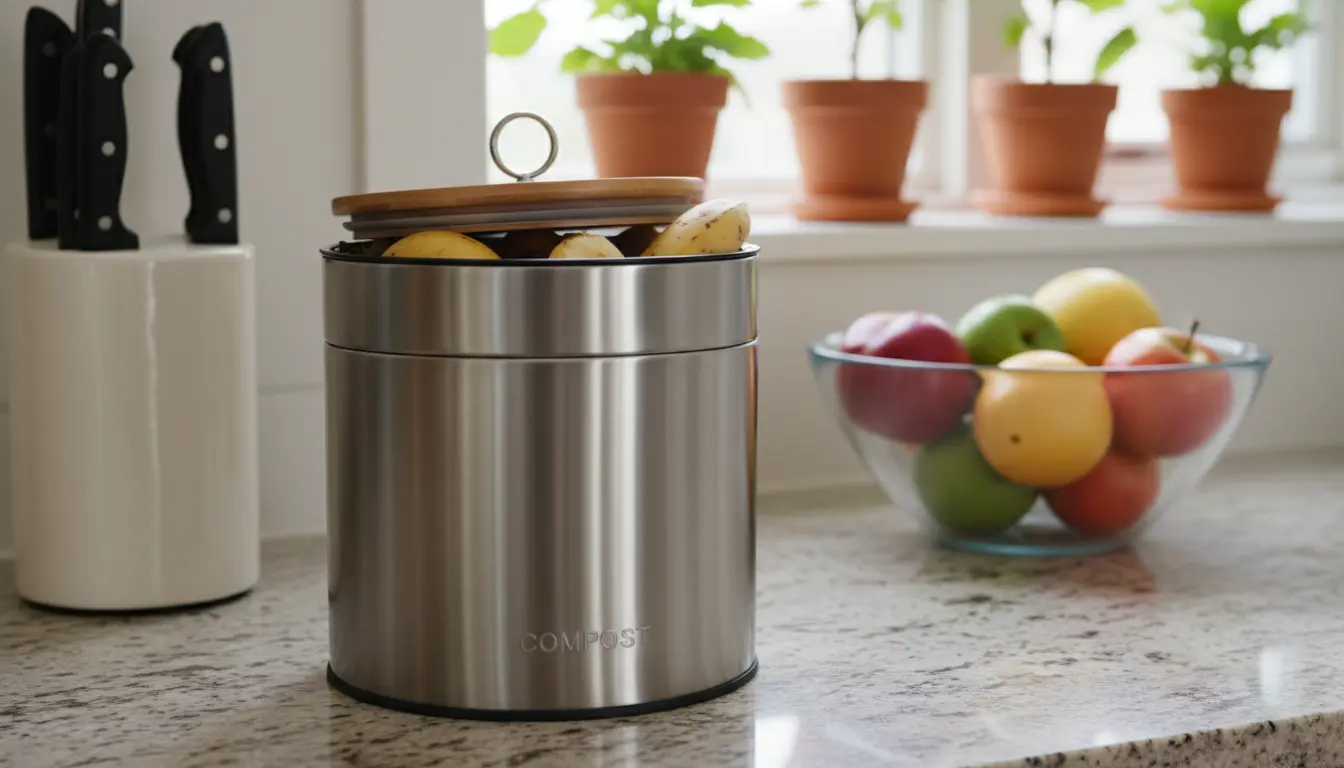
Composting at home turns kitchen scraps and yard waste into a valuable soil amendment. This guide explains practical steps to start and maintain a home compost system with common methods and troubleshooting tips.
Home Composting Basics
What is Home Composting?
Home composting is the biological breakdown of organic material by microbes, worms, and small invertebrates. The result is humus-rich compost that improves soil structure and plant health.
Why Compost at Home?
Composting reduces landfill waste and methane emissions while saving money on fertilizers and soil amendments. It also closes the nutrient loop by returning organic matter to the garden.
Getting Started with Home Composting
Choosing a Method for Home Composting
Select a method that fits your space, time, and goals. Common options include backyard bins, tumblers, vermicomposting, and bokashi systems.
- Backyard bin: Low cost, works for yard and kitchen waste.
- Tumbler: Faster mixing, good for small yards and less handling.
- Vermicompost: Uses worms, ideal indoors or on balconies for kitchen scraps.
- Bokashi: Fermentation method, good for all food waste including meat and dairy.
Location and Container
Place compost bins on bare soil when possible to allow organisms access to the pile. Choose a container with drainage and airflow for aerobic composting.
For small homes, a 20–50 liter indoor container or worm box can handle daily kitchen scraps. For yards, a 1-cubic-meter bin is a practical starting size.
Materials: What to Put in a Home Compost Pile
Balance Greens and Browns
Compost needs a mix of nitrogen-rich ‘greens’ and carbon-rich ‘browns’. Aim for a rough ratio of 1 part greens to 2–3 parts browns by volume.
- Greens: Vegetable peels, fruit scraps, coffee grounds, fresh grass clippings.
- Browns: Dry leaves, shredded paper, cardboard, straw, small wood chips.
Avoid pet waste, diseased plants, and large bones for typical backyard composting. Bokashi and high-temperature systems can handle some of these items safely.
Maintenance and Troubleshooting for Home Composting
Turning and Aeration
Turning the pile every 1–2 weeks speeds decomposition by adding oxygen and mixing materials. Tumblers make turning easy and reduce odors.
For vermicompost, avoid frequent turning; worms need a stable environment and oxygen through bedding changes instead.
Moisture and Temperature
Keep compost moist like a wrung-out sponge. Too dry slows microbes, while too wet causes anaerobic smells.
Hot compost piles reach 55–65°C (131–149°F) and break down materials quickly while killing many weed seeds. Smaller or shaded piles will compost more slowly but still produce good material.
Common Problems and Fixes
- Bad odor: Add more browns and turn the pile to reintroduce air.
- Pests: Use sealed bins or bury food scraps in the center of the pile.
- Slow breakdown: Chop materials smaller, increase greens for nitrogen, and ensure adequate moisture and aeration.
Speeding Up Home Composting
Practical Tips to Accelerate Compost
Shred or chop larger items before adding them to the pile to increase surface area for microbes. Layer materials to maintain balance and avoid compacting the pile.
Adding finished compost or a handful of garden soil introduces beneficial microbes and speeds the process. Maintaining a warm, moist, and aerated pile yields faster results.
Composting diverts up to 30% of household waste from landfills and can reduce household greenhouse gas emissions. Even small urban composting efforts make a measurable difference.
Case Study: A Small Urban Home Composting Win
Lisa, a city apartment dweller, started vermicomposting in a 40-liter worm bin on her balcony. She collected kitchen scraps in a small bucket and fed the worms daily.
Within four months she produced enough vermicompost to feed two balcony planters and reduced her weekly trash by 50%. Her plants showed improved growth and fewer water needs due to better soil structure.
Practical Checklist to Start Home Composting
- Choose the right system: bin, tumbler, vermicompost, or bokashi.
- Gather initial materials: browns (leaves, shredded paper) and greens (kitchen scraps).
- Set up in a suitable location with access to soil or ventilation.
- Monitor moisture, temperature, and balance of materials weekly.
- Harvest finished compost when dark and crumbly; use it in potting mixes, garden beds, or as mulch.
Final Notes on Home Composting
Home composting is flexible and scalable. Start small, learn from the process, and adjust methods to match your living situation and goals.
With modest effort you can reduce waste, improve soil health, and grow healthier plants while contributing to a more sustainable household routine.