
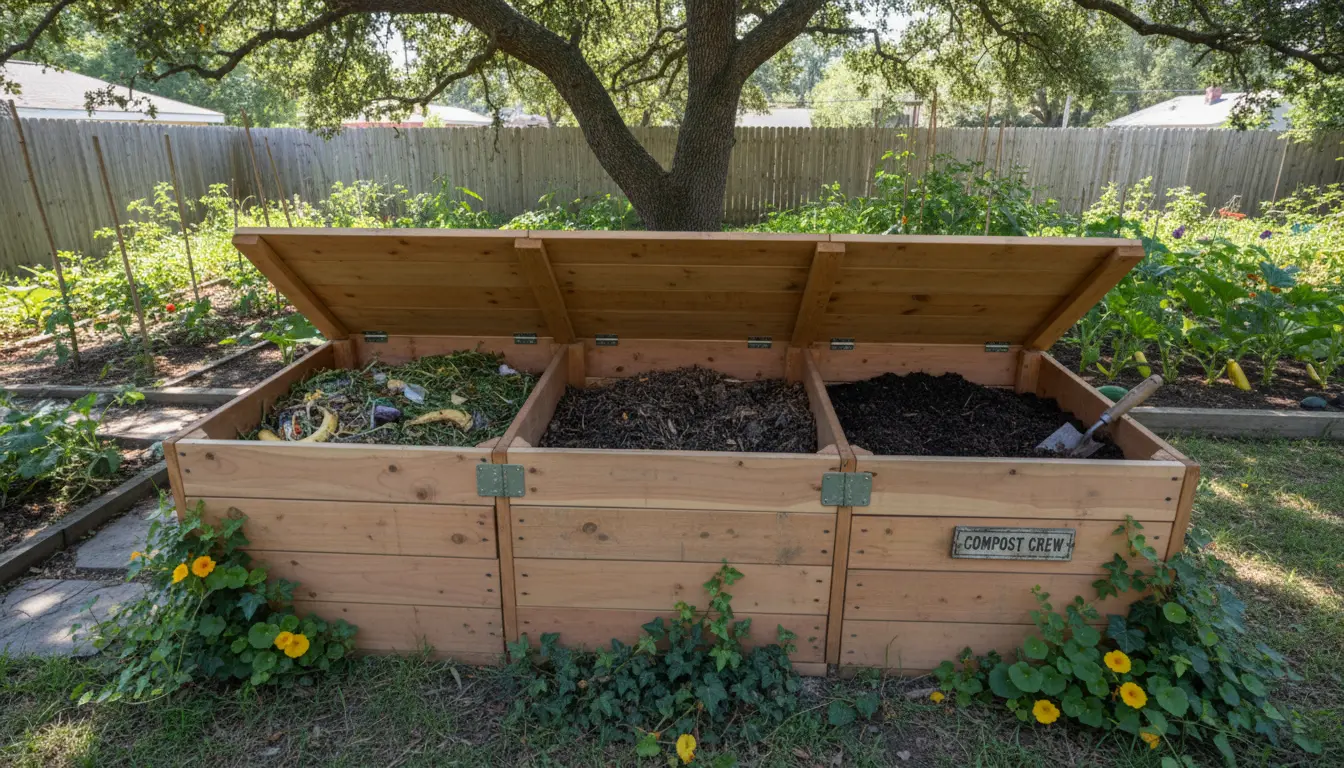
Home Composting Basics
Home composting turns kitchen and yard waste into a nutrient-rich soil amendment. It reduces landfill waste and improves garden soil over time.
This guide explains simple, practical steps to start home composting and keep a healthy pile or bin.
Why start home composting
Composting lowers trash volume and recycles organic matter into useful compost. It supports soil structure, water retention, and plant health.
Start small and scale up as you learn what works for your space and lifestyle.
How Home Composting Works
Composting is a controlled decomposition process driven by microbes. Success depends on balancing carbon and nitrogen, moisture, oxygen, and particle size.
Following basic rules produces compost in a few months to a year, depending on method and effort.
Key elements of home composting
- Carbon (browns): dry leaves, straw, shredded paper.
- Nitrogen (greens): kitchen scraps, fresh grass clippings, coffee grounds.
- Air: turn or aerate the pile to supply oxygen.
- Moisture: keep it like a wrung-out sponge, not soggy.
Step-by-Step Home Composting Guide
Follow these steps to set up a basic home compost system.
- Choose a container: a simple bin, tumbler, or open pile works. Place it on soil for worm access and drainage.
- Layer materials: start with coarse browns for drainage, then add alternating green and brown layers.
- Maintain ratio: aim for about 3 parts brown to 1 part green by volume as a starting point.
- Chop or shred: smaller pieces speed decomposition. Chop large veggie scraps and shred yard waste if possible.
- Moisture check: squeeze a handful; it should feel damp but not drip water.
- Turn regularly: every 1–2 weeks for faster compost; less often if you use a low-maintenance pile.
Where to place your compost
Pick a partly shaded area near a water source for convenience. Avoid placing the bin too close to living spaces if odors are a concern.
Good airflow around the bin helps decomposition and reduces pests.
What to Compost and What to Avoid
Knowing what belongs in the compost prevents problems like odors, pests, or slow breakdown.
Good items for home composting
- Vegetable and fruit scraps
- Coffee grounds and filters
- Tea bags (check materials)
- Eggshells (crushed)
- Yard trimmings, leaves, and small branches
- Shredded paper and cardboard (no glossy or colored print)
Items to avoid in home composting
- Meat, fish, bones, and dairy (they attract pests)
- Oily foods and grease
- Diseased plants or plants treated with pesticides
- Pet waste from carnivores
- Coal ash or treated wood
Troubleshooting Home Composting Problems
Common issues have simple fixes. Regular checks help catch problems early.
Smelly compost
Cause: too much green material or lack of air. Fix: add dry browns, turn the pile to add oxygen, and check moisture.
Pile too dry or slow to decompose
Cause: lack of moisture or insufficient greens. Fix: add water evenly and mix in green materials like kitchen scraps.
Pests at the compost
Cause: food scraps like meat or oily foods. Fix: remove offending items, bury fresh scraps deeper, use a closed bin or tumbler, and keep a balanced mix.
Methods for Different Homes
Choose a method that fits your space and schedule. Each method uses the same core principles but varies in maintenance.
Backyard bin or pile
Best for yards with space. Low-cost and scalable. Requires turning and some effort.
Compost tumbler
Good for small yards or tidy spaces. Easier to turn and less pest-prone. Capacity is limited by tumbler size.
Vermicomposting (worm bin)
Ideal for apartments or indoor composting. Red worms convert food scraps into high-quality castings. Requires feeding and occasional maintenance.
Small Real-World Example
Case Study: Urban Balcony Composting
Maria lives in a two-bedroom apartment with a small balcony. She started a 30-gallon plastic bin with holes drilled for airflow. She collects vegetable scraps in a countertop pail and adds shredded cardboard as a brown layer.
After six months of turning every two weeks and maintaining moisture, Maria harvested dark, crumbly compost and used it to top up two balcony planters. Her plants showed stronger growth and she cut food waste to landfill by about 50%.
Practical Tips for Home Composting Success
- Keep a covered kitchen caddy for scraps to make composting easy.
- Chop scraps to speed breakdown and reduce pests.
- Mix in bulk browns like leaf mold during fall to maintain balance.
- Use finished compost as a soil conditioner, mulch, or potting mix additive.
Final Notes on Home Composting
Home composting is flexible and forgiving. Start simple and adjust ratios, turning frequency, and methods to suit your space.
With minor effort, you can turn organic waste into a valuable resource for healthier soil and a smaller household footprint.