
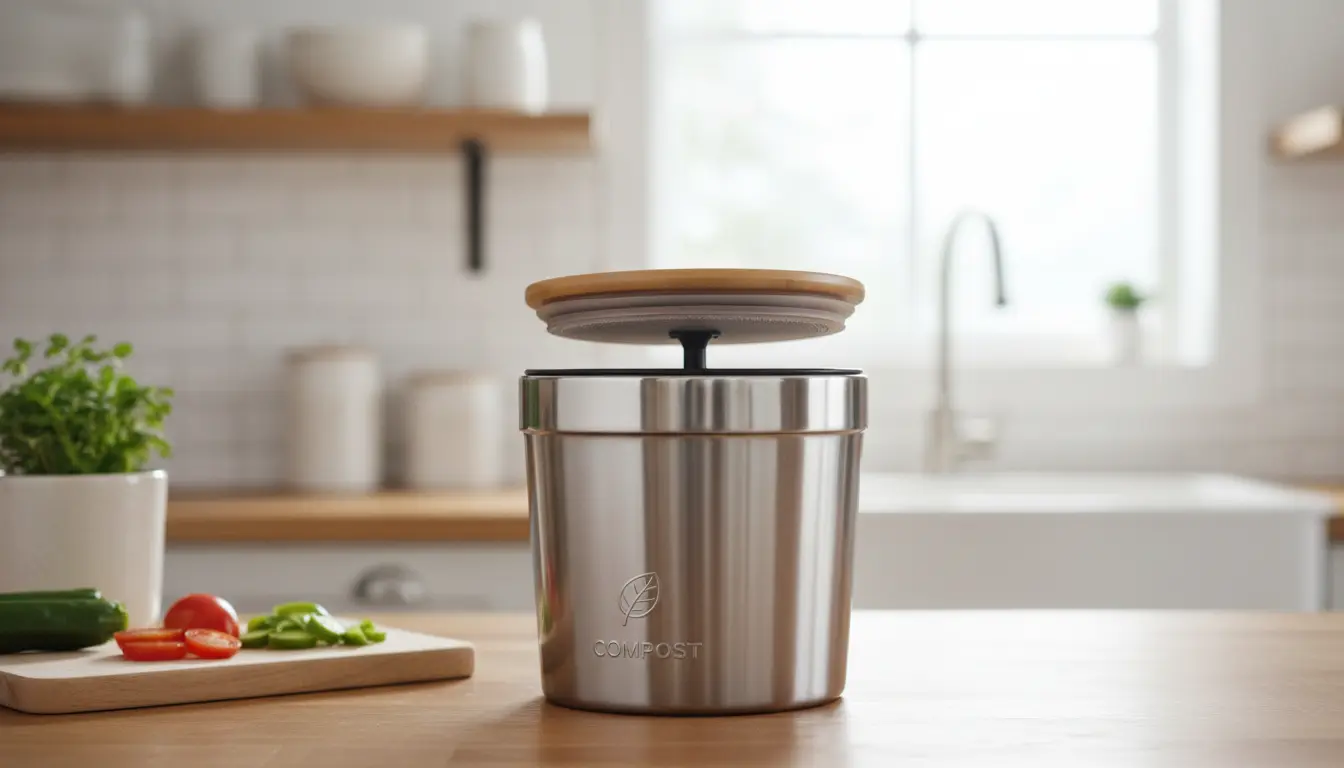
Home composting for beginners turns kitchen scraps and yard waste into valuable soil material. This guide gives clear, practical steps to start composting at home, whether you have a backyard, balcony, or small kitchen.
Why Home Composting for Beginners Matters
Composting reduces household waste, lowers landfill methane emissions, and creates a free soil amendment for plants. For beginners, it is a low-cost way to boost soil health and reduce your environmental footprint.
What You Need to Start Home Composting for Beginners
Starting is simpler than it seems. You need a container, a balance of materials, and a little attention. Below are essentials to gather before you begin.
- Container: compost bin, tumbler, or a simple pile
- Adequate space: backyard corner, balcony area, or a small bin under the sink
- Basic tools: garden fork or shovel, and a watering can
- Materials: green (nitrogen) and brown (carbon) inputs
Choose a Compost System
Pick a system that fits your living situation. Beginners often find these options easiest.
- Compost bin: enclosed, keeps pests away, minimal turning.
- Tumbler: rotates for faster breakdown, good for small yards.
- Bokashi or worm bins (vermicomposting): ideal for apartments or limited outdoor access.
Compost Materials: Greens and Browns
Proper balance of greens and browns is the foundation of successful composting. Aim for roughly equal volumes or a 2:1 ratio by weight of browns to greens.
- Greens (nitrogen): vegetable scraps, coffee grounds, fresh grass clippings
- Browns (carbon): dry leaves, shredded paper, cardboard, straw
Step-by-Step Guide to Home Composting for Beginners
Follow these practical steps to build and maintain a working compost system.
- Location: Place your bin in a well-drained, accessible spot. Partial shade helps keep moisture balanced.
- Layering: Start with a 2–4 inch layer of coarse browns for airflow. Alternate greens and browns in 2–4 inch layers.
- Moisture: Keep the pile damp like a wrung-out sponge. Add water during dry spells or dry browns if soggy.
- Turning: Turn the pile every 1–2 weeks to aerate. Tumblers simplify this step; if using a static bin, use a fork.
- Monitoring: Check temperature and smell. A healthy pile is warm and has an earthy smell. Troubleshoot odor or pests if they appear.
- Maturation: Compost can be ready in 2–6 months depending on method and attention. Finished compost is dark, crumbly, and smells like soil.
Troubleshooting Common Problems
Beginners encounter predictable issues. Quick fixes keep your system productive.
- Bad smell: Usually too wet or too many greens. Add browns and turn the pile.
- Pests: Avoid meat, dairy, and oily foods. Use a closed bin or bury food in the center.
- Slow decomposition: Increase surface area by shredding materials and turn more often.
- Dry pile: Add water and fresh greens; cover with a tarp to retain moisture.
Tools and Tips for Efficient Home Composting for Beginners
Simple tools and habits speed results and reduce maintenance time. Use what fits your budget and space.
- Shredders or kitchen scissors to cut materials into smaller pieces
- Compost thermometer to monitor internal temperature
- Kitchen counter caddy for collecting scraps to avoid mess
- Mesh or wooden pallet to start a windrow if you have space
Food scraps and yard waste make up about one-third of household trash by weight. Composting diverts this material and returns nutrients to the soil.
Small Case Study: Apartment Worm Composting
Maria, a city renter, started vermicomposting in a stacked bin under her sink. She collected kitchen scraps in a small container and added shredded paper and cardboard as browns.
Within three months she produced enough compost for her balcony herb pots and reduced weekly trash by nearly half. Key changes were regular feeding, maintaining moisture, and harvesting finished castings every two months.
Quick Example: Backyard Bin Setup
Set up a 3-bin system in a shaded corner. Add coarse browns at the bottom, then alternate green and brown layers. Turn weekly with a fork, and after 3–4 months, move finished compost to a curing pile and restart the process in the first bin.
How to Use Finished Compost
Finished compost improves soil structure, water retention, and nutrient availability. Use it in these ways:
- Mix 1–2 inches into garden beds before planting
- Top-dress lawns with a thin layer to feed grass
- Mix into potting soil for container plants
Final Tips for Home Composting for Beginners
Start small and learn by doing. Keep a balanced mix of materials, monitor moisture, and protect your system from pests. Composting is forgiving—small adjustments yield big improvements.
Try a single bin or a worm bin for apartments. Track what works and adapt as your needs change. Within months you’ll reduce waste and create healthy compost for your plants.