
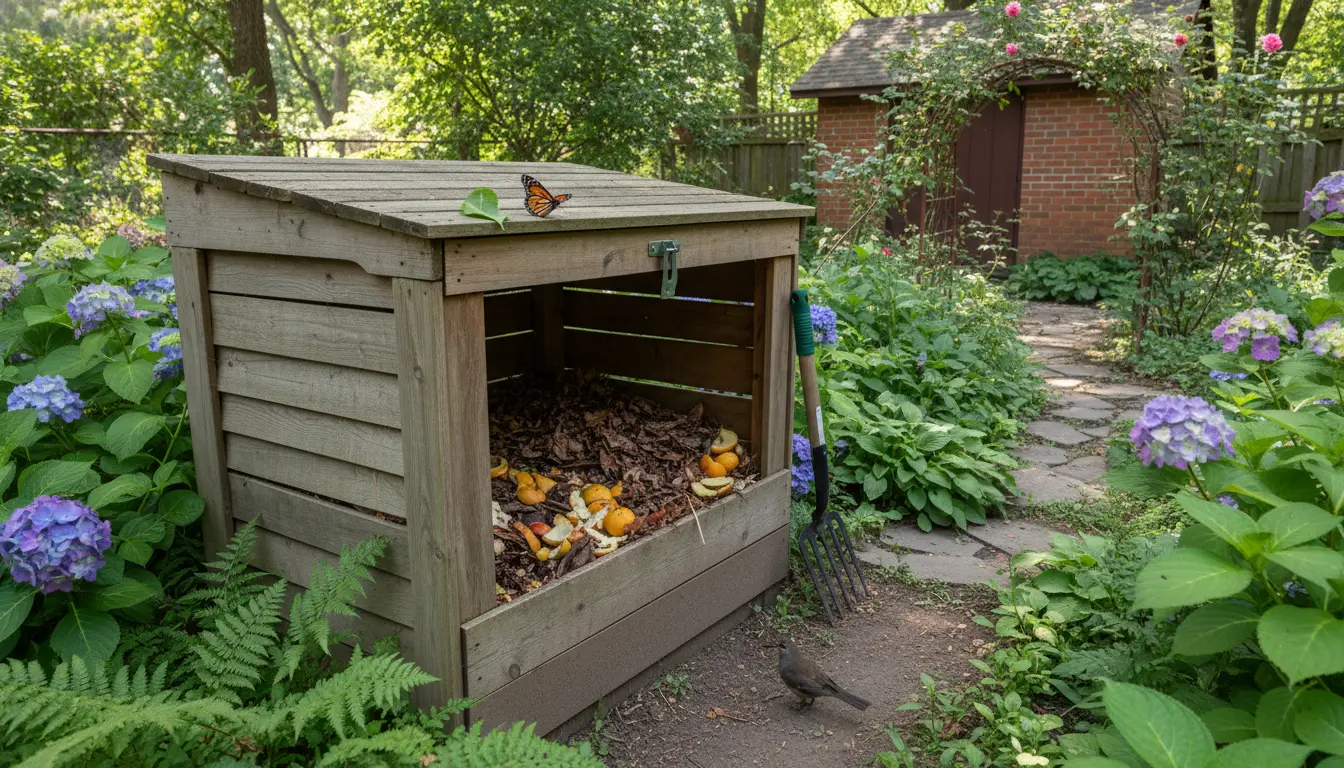
Composting at home turns kitchen scraps and yard waste into valuable soil. This guide gives practical steps so beginners can start composting with confidence and few tools.
What Is Home Composting?
Home composting is the controlled decomposition of organic materials like fruit peels, leaves, and coffee grounds. The result is nutrient-rich compost you can use in potted plants, raised beds, or lawns.
Benefits of Home Composting
Composting reduces household waste that would otherwise go to landfill. It improves soil structure, boosts plant health, and can cut your household waste output significantly.
- Reduces food waste and trash collection costs.
- Enriches soil with organic matter and beneficial microbes.
- Helps retain moisture and reduce fertilizer needs.
How to Start Home Composting
Starting is easier than it seems. Follow basic steps to choose a method, gather materials, and maintain the compost pile or bin.
Choose a Composting Method
Select the method that fits your space and time. Options include a simple open pile, a contained bin, tumbler, or vermicomposting (worms).
- Open pile — Low cost, needs space and more maintenance.
- Compost bin — Neater, good for suburban yards.
- Komposting tumbler — Faster turning and less manual labor.
- Vermicompost — Best for small spaces and indoor setups using worms.
What to Compost
Balance green (nitrogen) and brown (carbon) materials for efficient decomposition. Aim for a ratio close to 1 part greens to 2–3 parts browns by volume.
- Greens: Vegetable scraps, fruit peels, coffee grounds, fresh grass clippings.
- Browns: Dry leaves, shredded paper, cardboard, straw.
- Avoid: Meat, dairy, diseased plants, pet waste, and oily foods.
Build and Maintain Your Pile
Layering and occasional turning are key tasks. Start with a layer of coarse browns, add greens, and repeat until the container or pile is full.
- Keep the pile moist like a wrung-out sponge.
- Turn or mix the pile every 1–3 weeks to add oxygen.
- Smaller pieces break down faster—chop kitchen scraps if possible.
Troubleshooting Common Problems
Problems are usually signs of imbalance: smell, pests, or slow decomposition. Small changes fix most issues quickly.
- Bad odor: Add more browns and turn the pile to increase airflow.
- Pests: Bury food scraps, secure the bin, avoid meat and oily foods.
- Too dry: Add water and greens; cover the pile to retain moisture.
- Too wet and slimy: Add dry browns and turn to aerate.
Food scraps and yard waste make up about 30 percent of household trash by weight. Composting those materials at home can significantly reduce the amount sent to landfill.
Small Real-World Case Study: Suburban Compost Success
Emma, a homeowner with a small backyard, switched to a 200-liter compost bin in spring. She collected fruit and vegetable scraps, coffee grounds, and leaves from her yard.
After six months of regular turning and maintaining a good greens-to-browns ratio, Emma produced enough compost to top-dress her vegetable beds and reduce bought fertilizer by half. Her household waste to curbside pickup dropped by roughly 40 percent.
Tips for Faster, Better Home Composting
Follow these practical tips to improve results and reduce maintenance time.
- Chop or shred materials to speed decomposition.
- Keep an active balance of greens and browns; store browns near the bin for quick access.
- Use a kitchen caddy to collect scraps and reduce trips to the bin.
- Insulate or cover the bin in cold climates to keep microbes active in winter.
- Test finished compost: it should be dark, crumbly, and smell earthy.
Final Thoughts on Home Composting
Home composting is a low-cost, high-impact way to manage organic waste and improve garden health. With a little consistent attention, even beginners can produce quality compost within months.
Choose a method that suits your space, keep materials balanced, and use simple troubleshooting steps when problems arise. Over time you will refine your routine and enjoy the benefits of rich, homemade compost.