
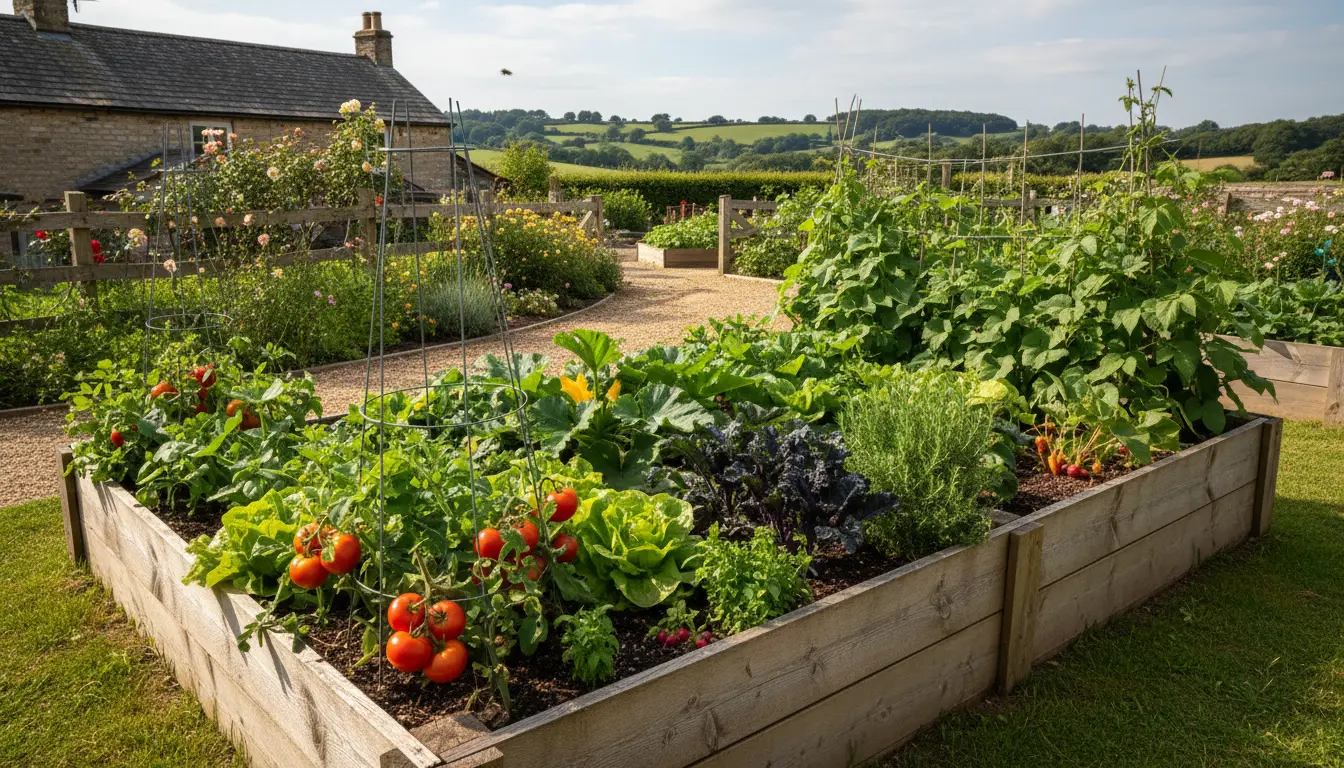
Start a Vegetable Garden: Quick Overview
Starting a vegetable garden is a practical way to grow fresh food and learn hands-on skills. This guide gives clear steps to plan, prepare, and maintain a productive small garden.
Follow these steps to reduce common mistakes and get vegetables growing in the first season. Each section focuses on one key task and offers examples and tips.
Start a Vegetable Garden: Planning Your Space
Choose a site with at least six hours of sunlight a day for most vegetables. Note shade patterns across the day to avoid planting in the wrong spot.
Decide on bed size and shape based on available space and how much time you can spend maintaining the garden. Raised beds of 4×8 feet work well for beginners.
Start a Vegetable Garden: What to Grow First
Select easy, fast-growing crops for your first season, such as lettuce, radishes, bush beans, and cherry tomatoes. These crops are forgiving and teach basic care routines.
Consider your climate and season length when choosing varieties. Look for terms like “fast-maturing” or “cold-tolerant” on seed packets.
Start a Vegetable Garden: Soil Preparation
Good soil is the most important factor for success. Test the soil pH and texture to know what amendments you need.
Mix organic matter like compost into the top 6 to 8 inches of soil. Compost improves drainage, nutrient content, and soil structure.
Start a Vegetable Garden: Simple Soil Test
Take a small soil sample and squeeze it in your hand. If it forms a tight ball and feels sticky, it has high clay. If it crumbles easily, it is sandy.
Add compost to clay soils to loosen them and to sandy soils to increase water retention. Aim for a loose, crumbly texture.
Start a Vegetable Garden: Planting and Layout
Plan rows or beds to allow easy access for watering and harvesting. Leave paths of at least 18 inches between beds for comfortable movement.
Use companion planting and crop rotation to reduce pests and improve yields. For example, plant basil near tomatoes to help flavor and deter pests.
- Plant seedlings after the last frost date for your area.
- Sow seeds at the depth recommended on the packet.
- Space plants according to mature size to avoid overcrowding.
Start a Vegetable Garden: Watering and Maintenance
Water consistently; most vegetables need about 1 inch of water per week. Deep, infrequent watering encourages strong root growth.
Use drip irrigation or soaker hoses to reduce disease and waste. Mulch around plants to retain moisture and suppress weeds.
Start a Vegetable Garden: Routine Tasks
Check for pests and diseases weekly and remove affected leaves promptly. Hand-pick slugs and use row covers for early-season pest control.
Fertilize lightly with a balanced organic fertilizer mid-season to support fruiting crops like tomatoes and peppers.
Start a Vegetable Garden: Pest Management
Identify pests before applying controls. Beneficial insects like ladybugs and lacewings can reduce aphid problems naturally.
Use these integrated pest management steps: monitor, identify, remove manually, and apply targeted organic treatments only if needed.
Start a Vegetable Garden: Harvesting and Storage
Harvest regularly to encourage more production. Pick leafy greens when young for best flavor and harvest beans before they become tough.
Store harvests properly: cool greens quickly, dry herbs before bundling, and blanch then freeze surplus vegetables for winter use.
Many common vegetables reach peak flavor when harvested early in the morning. Cooler temperatures preserve sugars and reduce wilting during storage.
Start a Vegetable Garden: Small Case Study
Case study: A small urban gardener converted a 10 x 6 foot sunny strip into three raised beds. They started with lettuce, radishes, and cherry tomatoes and used compost from a local program.
By the second month they had continuous harvests of salad greens and a first tomato crop. The gardener saved money on produce and donated surplus to neighbors.
Start a Vegetable Garden: Troubleshooting and Tips
Common problems include poor germination, nutrient deficiency, and pests. Revisit soil prep and watering patterns when plants underperform.
Keep a simple garden journal noting planting dates, varieties, and issues. This record helps improve results each season.
Start a Vegetable Garden: Quick Checklist
- Choose a sunny site and plan bed layout.
- Test and amend soil with compost.
- Select easy crops and plant at the right time.
- Water consistently and mulch to save time.
- Monitor pests and harvest regularly.
Starting a vegetable garden is manageable with basic planning and regular care. Small, steady efforts yield fresh food, learning, and long-term savings.
Use the simple steps above to begin your first season and adapt methods to your local climate and schedule. Keep notes and enjoy the progress season by season.