
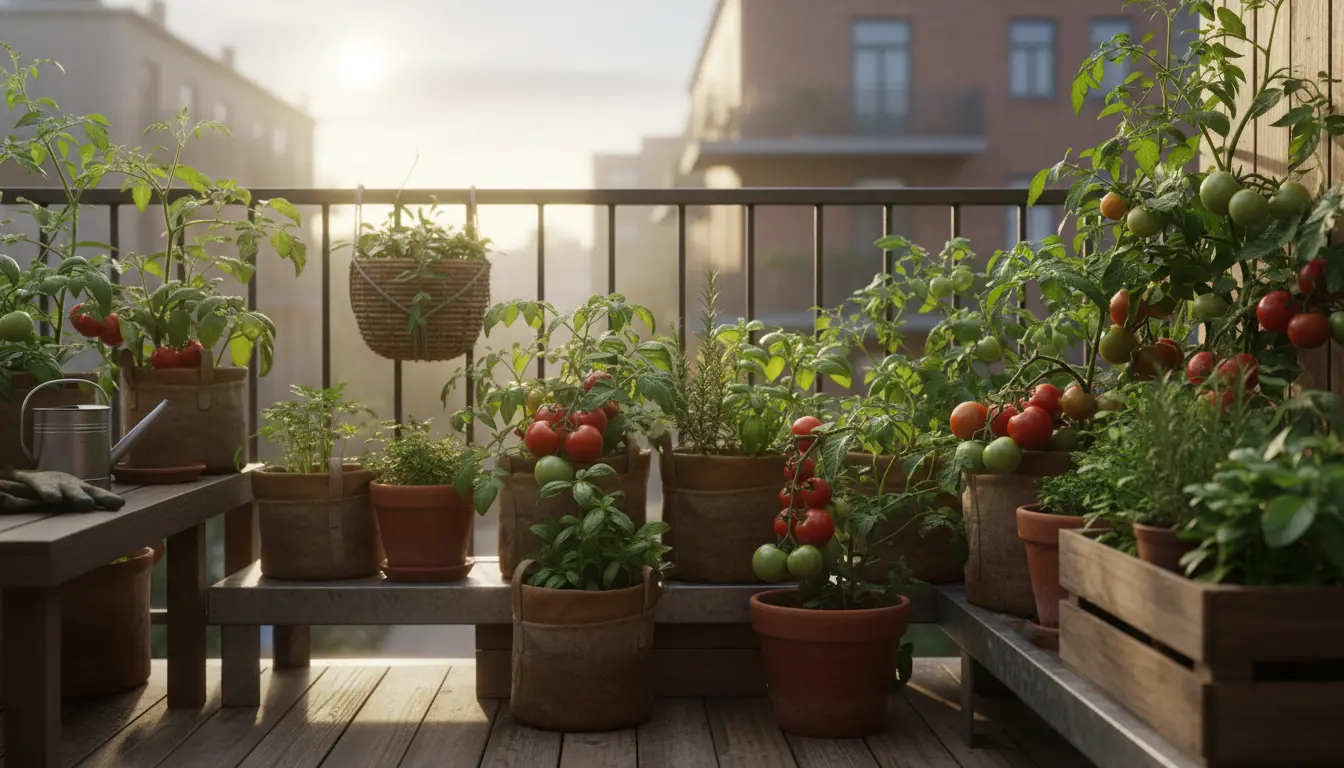
Starting a small vegetable garden is practical and rewarding. This guide walks you through planning, planting, and maintaining a productive garden in limited space.
Planning Your Small Vegetable Garden
Good planning saves time and prevents waste. Begin by assessing light, space, and your available time for maintenance.
Choose the Right Location
Most vegetables need 6 to 8 hours of direct sunlight. South- or west-facing balconies, patios, or window boxes are ideal. If full sun is not available, choose leafy greens and herbs that tolerate partial shade.
Select Containers and Soil for a Small Vegetable Garden
Containers should be large enough for root growth. For many crops, a 12-inch deep container works; tomatoes and peppers prefer 18 inches or more. Use a high-quality potting mix rather than garden soil to ensure good drainage and aeration.
- Small containers: herbs, lettuce, radishes
- Medium containers: bush tomatoes, peppers, bush beans
- Large containers or raised beds: indeterminate tomatoes, potatoes, eggplants
What to Plant in a Small Vegetable Garden
Choose plants suited to your climate and container size. Start with easy crops that give quick rewards while you build experience.
Best Vegetables for a Small Vegetable Garden
- Lettuce and mixed salad greens — quick harvests and space-efficient
- Radishes — maturing in 3–4 weeks, good for succession planting
- Herbs (basil, parsley, chives) — compact and useful in the kitchen
- Cherry tomatoes — smaller plants but high yield
- Peppers — do well in containers with warm conditions
- Bush beans — vertical options use less ground space
Plan succession planting: sow quick crops (radishes, lettuce) between slower ones to maximize yield in limited space.
Practical Steps to Start a Small Vegetable Garden
This step-by-step plan turns intentions into a working garden. Follow it in order to avoid common mistakes.
- Select site and containers based on sunlight and access to water.
- Buy or mix a quality potting mix with added compost for nutrients.
- Decide between seeds and seedlings: seeds are cheaper; seedlings give a head start.
- Plant at the recommended depth and spacing. Check seed packet or plant tag instructions.
- Water thoroughly after planting and monitor soil moisture daily at first.
- Add support (stakes, cages) for vining plants like tomatoes and beans.
Keep a simple planting calendar. Note first and last frost dates for your area and plan outdoor sowing accordingly.
Maintenance and Troubleshooting for a Small Vegetable Garden
Regular, small tasks keep plants healthy. A little attention goes a long way in small spaces.
- Watering: containers dry out faster. Water when the top inch of soil is dry, and water deeply until water drains from the bottom.
- Fertilizing: use a balanced liquid feed every 2–4 weeks or slow-release granules at planting time.
- Pest control: inspect leaves weekly. Remove pests by hand, use insecticidal soap, or introduce beneficial insects if feasible.
- Disease prevention: avoid overhead watering, ensure good air circulation, and remove diseased foliage promptly.
Common Problems and Quick Fixes
- Wilting in hot weather — add shade cloth during midday and increase watering frequency.
- Poor flowering on tomatoes — ensure consistent watering and feed with phosphorus-rich fertilizer.
- Yellow leaves — check for nutrient deficiency or overwatering; adjust feeding and drainage.
Many compact vegetable varieties are bred specifically for containers and small spaces. Look for terms like bush, patio, or dwarf on seed packets.
Simple Schedule for the First Two Months
Starting small with a predictable routine builds success and confidence. Here’s a practical schedule to follow once plants are in the ground or containers.
- Daily: quick check for pests and soil moisture in the morning.
- Weekly: deep watering session, remove spent flowers, check supports.
- Biweekly: supplemental feed for heavy feeders like tomatoes and peppers.
Real-World Example: A Balcony Garden That Produced 45 Pounds
Case: A two-person household in Portland used a 6-square-foot balcony with three 12-inch deep containers and one 24-inch raised planter. They planted cherry tomatoes, basil, lettuce, radishes, and a pepper plant.
Investment: about $150 for containers, soil, and seeds/seedlings. Time: 3–5 hours per week during peak season. Outcome: 45 pounds of vegetables and herbs over the season, plus saved grocery costs and improved meals.
Key adjustments they made: added a self-watering reservoir for hotter months, staggered planting dates for continuous harvest, and used netting to protect against birds.
Final Tips for Growing a Small Vegetable Garden
Start with a few high-yield, low-maintenance crops and expand as you gain experience. Keep records of planting dates, varieties, and yields to improve next season.
Keep tools simple: a trowel, watering can, pruners, and fertilizer are enough to begin. Over time you can add soil amendments or new containers based on results.
With attention to light, soil, and consistent care, a small vegetable garden can supply fresh produce, reduce grocery bills, and connect you to the growing process.