
Plan Before You Start a Vegetable Garden
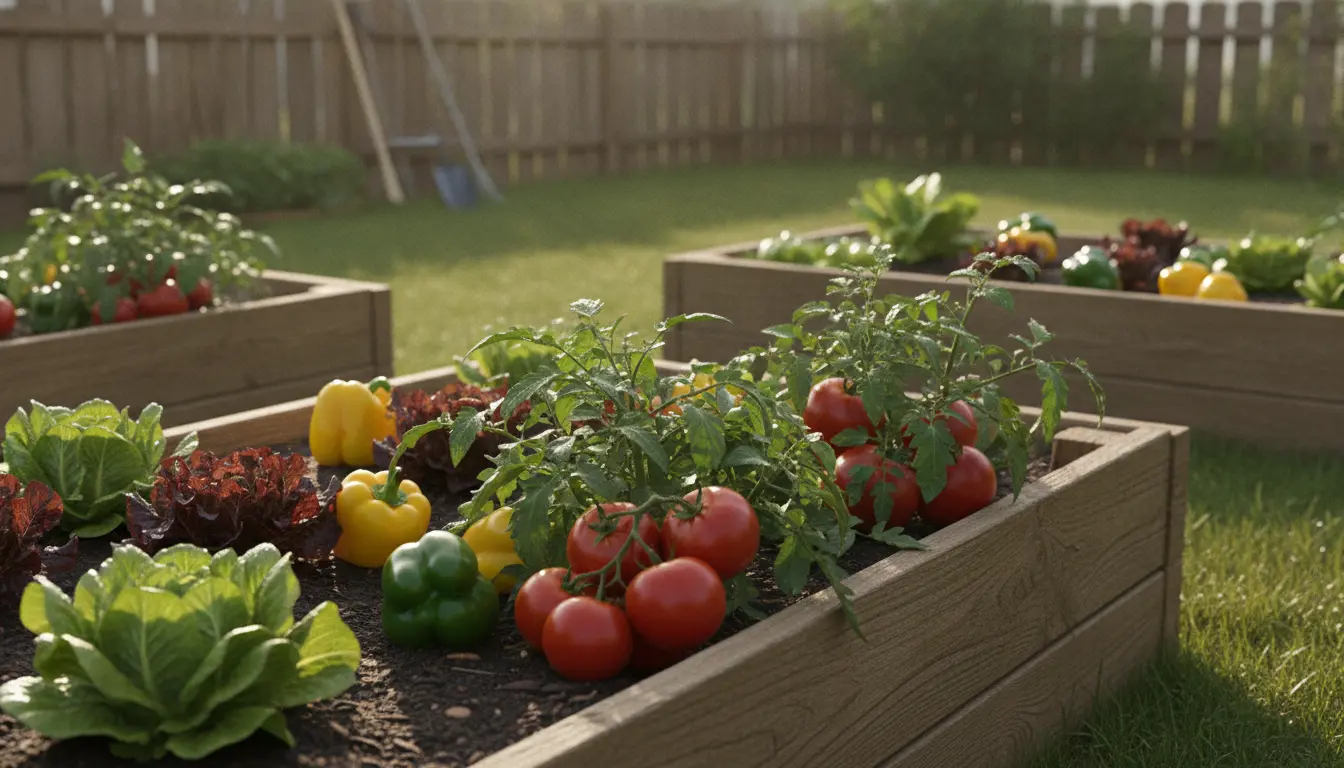
Starting a vegetable garden begins with a simple plan. Decide what you want to grow and how much time you can commit each week.
Consider space, sunlight, and access to water. Sketch a small layout to visualize bed placement and paths.
Choose the Right Location for Your Vegetable Garden
Vegetable gardens need consistent sun. Pick a spot that receives at least 6 hours of direct sunlight daily.
Avoid low spots that collect cold air or areas under dense tree shade. Easy water access reduces daily effort.
Sun and Shade Considerations
Most vegetables prefer full sun. If only partial sun is available, select shade-tolerant crops like lettuce, spinach, and radishes.

Observe sunlight patterns across the day to confirm your site choice before you start digging.
Prepare Soil and Raised Beds
Good soil is the foundation of a successful vegetable garden. Test soil pH if possible and aim for a pH between 6.0 and 7.0 for most vegetables.
Loosen compacted soil and mix in organic matter such as compost to improve fertility and drainage.
Options for Garden Beds
- In-ground beds: Best for larger spaces and deeper rooted crops.
- Raised beds: Offer better drainage and easier soil control, ideal for small yards.
- Container gardening: Works well on patios or balconies.
Select Vegetables to Start With
Begin with easy, fast-growing vegetables to build confidence. Choose varieties suited to your climate and season.
- Cool-season starters: Lettuce, spinach, peas, radishes.
- Warm-season starters: Tomatoes, peppers, zucchini, beans.
- Herbs: Basil, parsley, chives — low maintenance and useful in the kitchen.
Planting Schedule and Succession
Use a planting calendar to stagger sowing and maximize harvest. Succession planting keeps yields steady across weeks.
For example, sow lettuce every 2–3 weeks for a continuous supply.
Planting: Seeds vs Seedlings
Sow seeds directly for root crops and quick growers like carrots and radishes. Buy seedlings for crops that need a head start, such as tomatoes and peppers.
Follow packet instructions for depth and spacing. Proper spacing reduces disease risk and improves airflow.
Watering, Mulching, and Basic Care
Consistent watering is crucial. Aim for deep, infrequent watering rather than frequent shallow sprinkles.
Mulch conserves moisture, suppresses weeds, and stabilizes soil temperature. Use straw, shredded leaves, or wood chips around plants.
Weeding and Pest Management
Remove weeds regularly before they set seed. Hand-pull or use a hoe to cut weeds at the soil surface.
For pest control, use physical barriers, companion planting, and row covers. Monitor plants daily to catch issues early.
Fertilizing and Soil Nutrition
Organic compost and well-balanced fertilizers supply nutrients through the season. Test soil or observe plant health to decide feeding frequency.
Side-dress heavy feeders like tomatoes with compost or a balanced fertilizer when fruit starts to form.
Harvesting and Seasonal Care
Harvest frequently and correctly to encourage more production. Pick leafy greens when young and beans when tender for best flavor.
At season end, clear spent plants, add them to compost if disease-free, and amend beds with organic matter for the next season.
Planting marigolds near your vegetable garden can reduce certain nematode and insect problems while attracting beneficial pollinators.
Small Case Study: A First-Year Backyard Garden
Maya, a new gardener in Portland, started a 4×8 raised bed in April. She prepared soil with 2 inches of compost and planted tomato seedlings, lettuce, and bush beans.
With weekly watering, organic mulch, and a trellis for tomatoes, she harvested enough salad greens for two people and a steady supply of beans through summer.
Key results: low initial cost, manageable weekly labor (about 1–2 hours), and high satisfaction from fresh produce.
Common Mistakes to Avoid When You Start a Vegetable Garden
- Overcrowding plants — follow spacing guidelines to prevent disease.
- Ignoring soil health — poor soil leads to weak plants and lower yields.
- Inconsistent watering — can cause blossom end rot in tomatoes and poor root development.
Practical Checklist to Start a Vegetable Garden
- Choose a sunny site and sketch a layout.
- Decide on bed type: in-ground, raised, or containers.
- Amend soil with compost and test pH if possible.
- Select easy crops for your climate and season.
- Plant with correct spacing and follow a watering schedule.
- Mulch, monitor for pests, and harvest regularly.
Starting a vegetable garden is a series of small, manageable steps. With planning, simple soil care, and regular attention, you can grow reliable, healthy produce in your first season.