
Why Composting at Home Matters
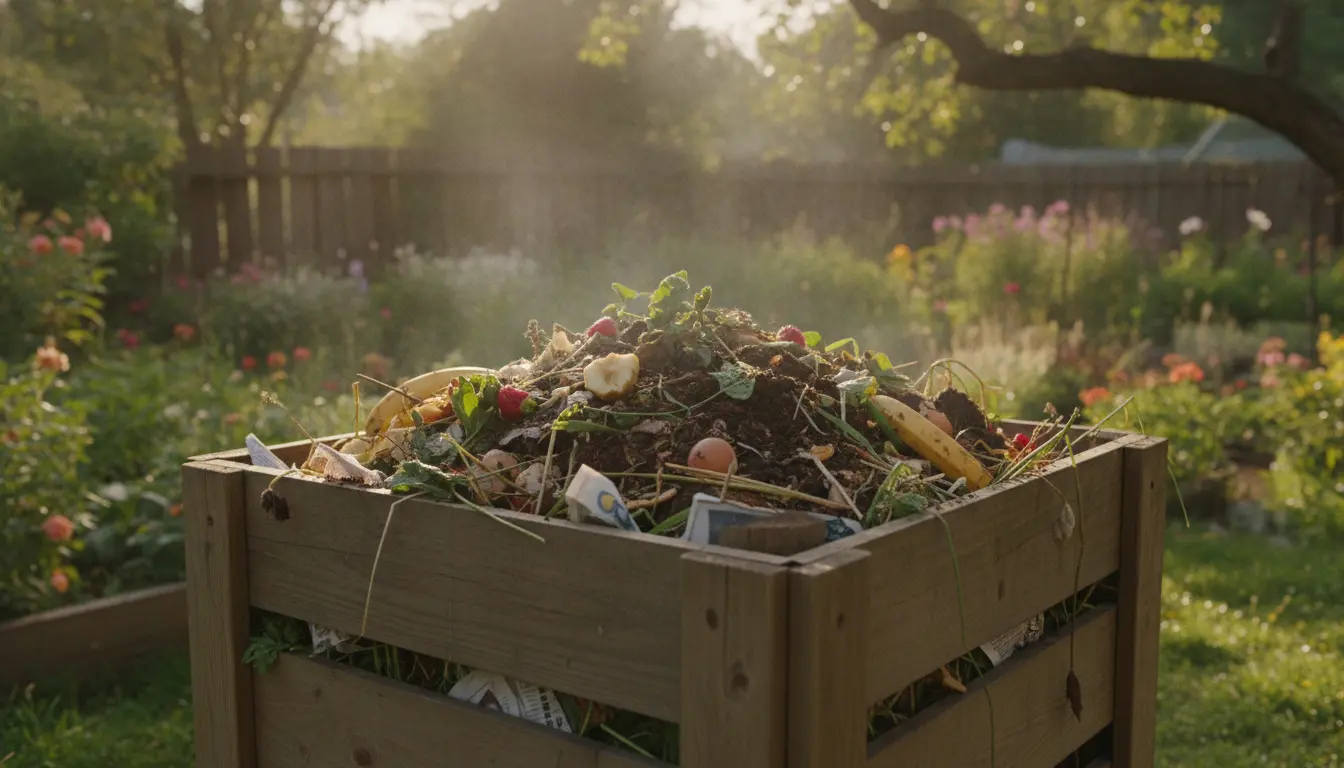
Composting at home turns kitchen and yard waste into valuable soil amendment. It reduces trash, lowers greenhouse gas emissions, and improves garden health.
This guide gives practical, step-by-step instructions for beginners and troubleshooting tips to keep your compost pile healthy.
Choosing a Compost System for Home
Select a compost method that fits your space and lifestyle. Common options include a backyard pile, tumblers, and indoor worm bins (vermicomposting).
Consider factors like available space, smell control, and maintenance frequency when choosing a system.
Backyard Pile and Bin
Backyard bins are inexpensive and work well for yard trimmings and kitchen scraps. They require turning and a bit of space.
Tumbler Composters
Tumblers speed up decomposition and make turning easier. They are tidy and reduce pest access but can be pricier.
Vermicomposting for Small Spaces
Worm bins are ideal for apartments or balconies. Red wrigglers convert food scraps into rich worm castings with minimal odor.
What to Add to Your Home Compost
Balance carbon-rich (brown) and nitrogen-rich (green) materials for efficient composting. Aim for a mix rather than only one type.
- Greens (nitrogen): vegetable scraps, coffee grounds, fresh grass clippings.
- Browns (carbon): dry leaves, shredded paper, straw, cardboard.
- Avoid: meat, dairy, oily foods, diseased plants, and pet waste.
How to Build and Maintain a Compost Pile at Home
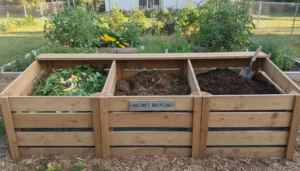
Follow a few core steps to create a healthy compost pile that decomposes efficiently and smells fresh.
- Start with a 6-12 inch base of coarse browns for airflow.
- Add alternating layers of greens and browns, keeping layers thin and mixed.
- Moisten lightly so the pile is as damp as a wrung-out sponge.
- Turn or aerate every 1–2 weeks to supply oxygen and speed decomposition.
Temperature and Time
Active compost can reach 130–160°F (55–70°C), which speeds breakdown and reduces pathogens. A well-managed pile can produce finished compost in 2–4 months.
Colder months or less active systems may take 6–12 months. Patience and regular maintenance matter more than speed.
Troubleshooting Common Problems in Home Composting
Most issues are simple to fix once you identify the cause. Use these quick checks to keep compost on track.
- Bad odors: Add more browns and mix the pile to increase airflow.
- Too dry: Add water gradually and mix; cover the pile to retain moisture.
- Slow decomposition: Chop materials smaller, add greens, and check moisture and airflow.
- Pests: Bury food scraps or use a sealed bin; avoid meat and dairy.
How to Use Finished Compost
Finished compost is dark, crumbly, and smells earthy. Sift or screen it to remove large pieces before use.
- Work compost into garden beds to improve structure and water retention.
- Use a thin layer as mulch around plants to suppress weeds and add nutrients.
- Mix with potting soil for container plants to boost fertility.
Small Real-World Case Study: Sarah’s Balcony Compost
Sarah lives in a city apartment and started vermicomposting in a two-bin worm setup on her balcony. She added only fruit and vegetable scraps, shredded cardboard, and used coffee grounds.
Within three months she harvested 15 liters of worm castings and reduced her kitchen waste by half. Her balcony herbs grew noticeably faster when potted with 20% castings mixed into the soil.
Simple Tips to Succeed with Composting at Home
Start small and build habits. Even a countertop collection container emptied into an outdoor bin daily makes a difference.
- Chop or shred materials to speed decomposition.
- Keep a balance of greens and browns for odor control and active microbes.
- Monitor moisture and aerate regularly for best results.
Composting diverts up to 30% of household waste from the trash and can cut methane emissions from landfills. Using finished compost can reduce the need for chemical fertilizers.
Final Checklist for Home Composting
Use this checklist to get started or to audit an existing system. Small changes make large differences over time.
- Choose a system that fits your space (pile, tumbler, worm bin).
- Collect kitchen scraps and maintain a balance of browns and greens.
- Keep the pile moist and aerated; turn regularly.
- Harvest finished compost and apply it to your garden or potted plants.
Composting at home is practical and accessible for nearly any household. Start with what you can manage and expand as you learn. Over months, you’ll see cleaner waste, healthier plants, and soil that retains moisture better.