
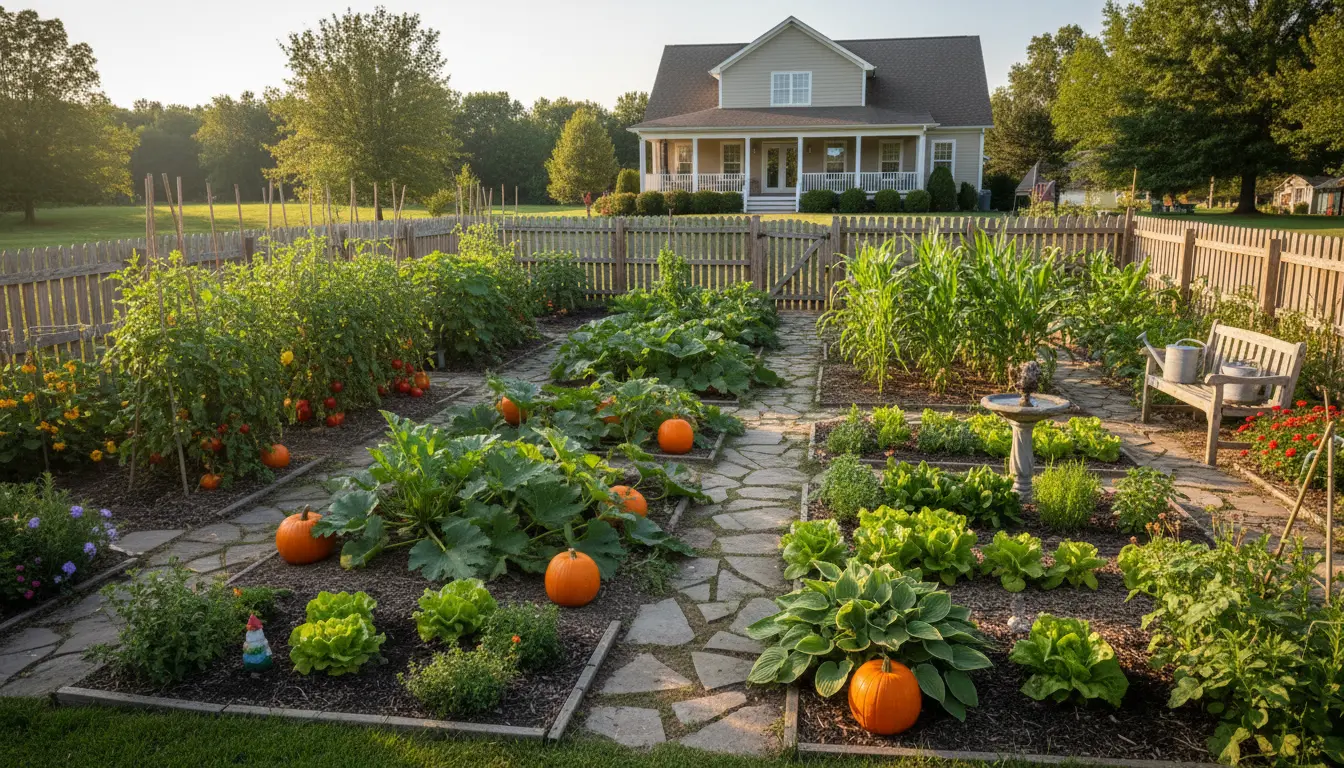
Why choose a small vegetable garden
Starting a small vegetable garden is a practical way to grow fresh food, save money, and learn gardening basics. Small plots or containers reduce maintenance and fit into balconies, patios, or small yards.
This guide explains planning, soil prep, plant selection, and simple care steps so you can get reliable results quickly.
Planning your small vegetable garden
Decide the space: a 4×4 bed, a 10×10 plot, or several containers. Measure available sunlight for at least a full week.
Most vegetables need 6+ hours of direct sun. If light is limited, choose shade-tolerant crops like leafy greens.
Site and size considerations for a small vegetable garden
Factors to weigh include sunlight, water access, and proximity to home for easy care. Smaller beds are easier to water and weed.
Use raised beds or containers to improve drainage and soil quality in small spaces.
Preparing soil and containers
Healthy soil is the foundation of a productive small vegetable garden. If using ground beds, remove weeds and loosen soil to a depth of 8–12 inches.
Amend heavy or poor soil with compost and a balanced organic fertilizer to improve structure and nutrients.
Container mix and soil tips
For containers, use a high-quality potting mix with added compost. Avoid garden soil in pots — it compacts and drains poorly.
Ensure containers have drainage holes and are deep enough for root crops: at least 6–12 inches for most vegetables, deeper for tomatoes and peppers.
Choosing plants for a small vegetable garden
Pick high-yield, space-efficient varieties. Focus on vegetables that give repeated harvests or high value per square foot.
Good choices include:
- Leafy greens: lettuce, spinach, Swiss chard
- Herbs: basil, parsley, chives
- Compact fruiting crops: patio tomatoes, dwarf peppers
- Root crops in succession: radishes, carrots, baby beets
Succession planting in a small vegetable garden
Succession planting means sowing new seeds every few weeks to maintain continuous harvests. This technique maximizes limited space.
Example: sow lettuce every 2–3 weeks for a steady supply of greens.
Planting and ongoing care
Follow seed packet or transplant spacing recommendations, but in a small vegetable garden you can tighten spacing slightly for microgreens and baby harvests.
Water deeply and consistently. Shallow, frequent watering encourages weak roots; aim for slow, thorough wetting once the soil surface dries.
Fertilizing and mulching
Apply a balanced organic fertilizer at planting and side-dress with compost every 4–6 weeks during the season. Mulch around plants to conserve moisture and reduce weeds.
Mulch materials: straw, shredded leaves, or bark chips. Keep mulch a few inches from plant stems to prevent rot.
Pest and disease basics
Inspect plants weekly. Remove affected leaves and practice crop rotation to reduce recurring issues in the same small space.
Use physical barriers like row covers for insects and handpick slugs or caterpillars where possible. Organic sprays like insecticidal soap work for many soft-bodied pests.
Harvesting from your small vegetable garden
Harvest frequently to encourage continued production. Pick leafy greens when young for better flavor, and harvest tomatoes at peak color for best taste.
Record planting dates and harvest yields to refine your choices in the next season.
Simple seasonal calendar for a small vegetable garden
- Spring: Prepare beds, start cool-season crops, transplant seedlings.
- Summer: Maintain watering, harvest early crops, plant heat-tolerant varieties.
- Fall: Sow cover crops, harvest late-season crops, clean up beds.
Real-world example: 10×10 backyard plot case study
Case: Jenna converted a 10×10 patch in her urban backyard into a small vegetable garden. She built a 4×8 raised bed and used two 12-inch deep containers for peppers.
In year one she planted salad greens, two patio tomatoes, bush beans, and radishes. By using succession planting and weekly compost side-dressing, Jenna harvested salad greens for five months and had steady tomato and pepper yields.
Key outcomes: minimal watering with drip irrigation, fewer weeds due to raised bed, and predictable harvests using a simple planting schedule.
Many compact vegetable varieties are bred for containers and small beds. Choosing determinate tomatoes or bush beans can improve yields in limited space.
Troubleshooting common problems
Slow growth: check soil fertility and drainage. Yellow leaves: test for overwatering or nutrient deficiency. Poor flowering: ensure sufficient sunlight and avoid excessive nitrogen when plants should fruit.
If pests or diseases persist, remove badly affected plants and sanitize tools before replanting.
Next steps for success
Start small and track what works. Keep a simple garden journal with planting dates, varieties, and harvest notes to improve each season.
With basic planning, proper soil, and regular care, a small vegetable garden can provide fresh produce and a rewarding hobby all year round.