
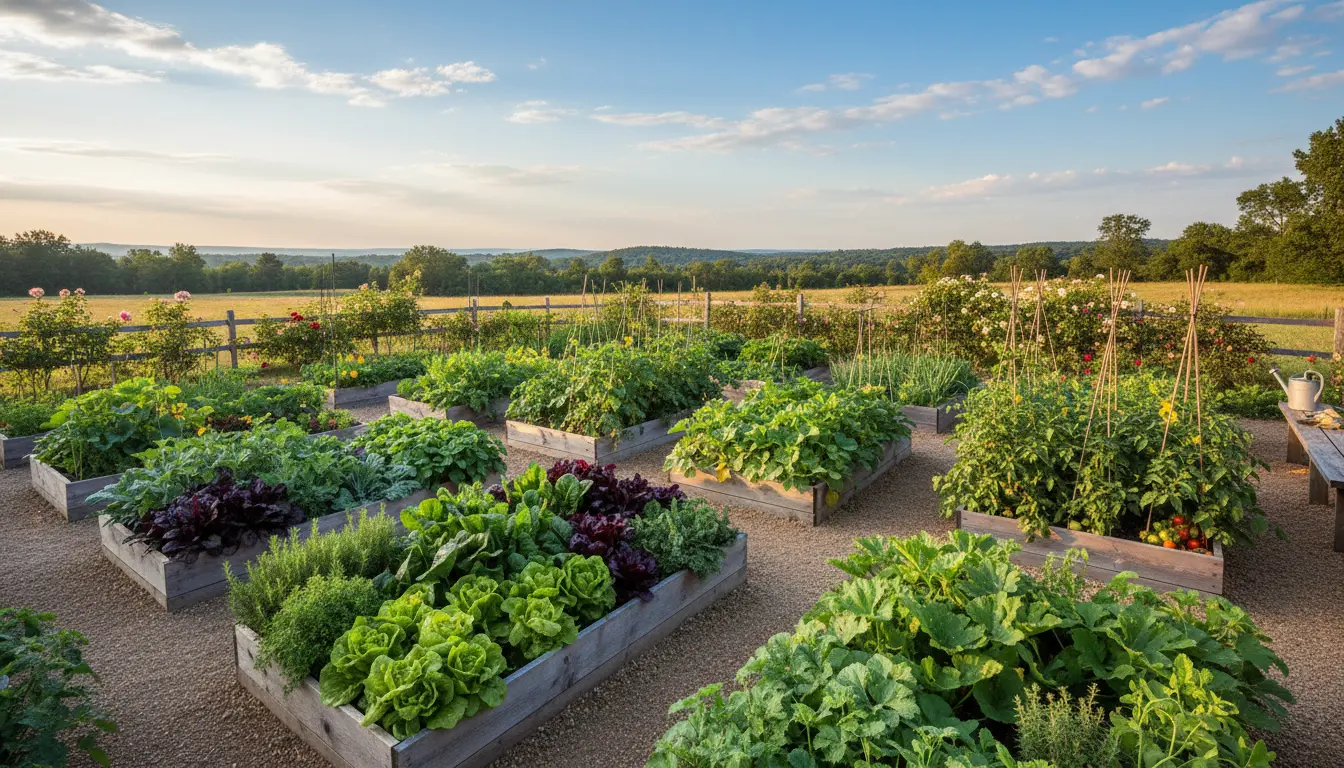
Why Start a Vegetable Garden
Starting a vegetable garden gives you fresh produce, saves money, and connects you with seasonal food. It also reduces trips to the store and can improve your diet over time.
This guide shows simple, practical steps to start a vegetable garden in small or large spaces. Follow the sequence: plan, prepare soil, plant, care, and harvest.
Planning Your Vegetable Garden
Good planning reduces wasted effort and materials. Begin by choosing a location with 6-8 hours of sunlight and easy access to water.
Decide on a garden type: in-ground beds, raised beds, or containers. Each has different soil and watering needs, but all can grow most vegetables.
Choose What to Grow
Pick vegetables you and your family will eat and that match your climate. Start with easy crops like lettuce, radishes, tomatoes, and beans.
Consider growing a mix of quick harvest items and longer-season crops so you get produce throughout the season.
Sketch a Simple Layout
Draw a basic layout showing bed sizes, walkways, and sun orientation. Keep beds narrow so you can reach the center without stepping on soil.
Example bed sizes: 3×6 feet or 4×8 feet are popular for raised beds in small yards.
Preparing Soil and Beds for a Vegetable Garden
Healthy soil is the most important factor for a successful vegetable garden. Test and improve your soil before planting.
Simple soil tests from garden centers or extension services tell you pH and nutrient levels. Aim for slightly acidic to neutral pH (6.0–7.0).
Improve Soil Structure
Mix in organic matter such as compost, aged manure, or leaf mold to improve drainage, fertility, and structure. Spread 2–4 inches of compost over beds and mix into the top 6–8 inches.
For heavy clay soils, add coarse sand and more organic matter to loosen the texture. For very sandy soils, increase compost to improve water retention.
Raised Beds and Containers
Raised beds warm faster in spring and improve drainage. Fill raised beds with a mix of topsoil, compost, and a light soil conditioner.
Use high-quality potting mix for containers and ensure pots have drainage holes. Containers dry faster, so plan for more frequent watering.
Planting and Care in Your Vegetable Garden
Follow seed packet or plant tag instructions for spacing and planting depth. Overcrowding reduces yield and increases disease risk.
Start with seedlings for crops like tomatoes and peppers; direct-seed for carrots, radishes, and beans.
Watering and Mulching
Water deeply and less frequently to encourage strong roots. Aim for 1–1.5 inches of water per week, depending on weather and soil type.
Apply 2–3 inches of organic mulch like straw or shredded leaves to conserve moisture and suppress weeds.
Feeding and Crop Rotation
Feed vegetables with a balanced organic fertilizer at planting and as needed during the season. Heavy feeders like tomatoes benefit from side-dressings of compost or fertilizer mid-season.
Rotate crops each year to reduce pests and nutrient depletion. Avoid planting the same family (e.g., nightshades or brassicas) in the same spot two years running.
Harvesting and Troubleshooting Your Vegetable Garden
Harvest on schedule: pick leafy greens young for tenderness, and harvest tomatoes and beans when ripe for best flavor. Frequent harvesting often increases yield.
Common problems include pests, diseases, and nutrient deficiencies. Early detection and simple fixes keep problems small.
Simple Pest Controls
- Handpick larger pests like caterpillars and slugs.
- Use row covers to protect seedlings from insects and birds.
- Encourage beneficial insects by planting flowers like marigolds and dill nearby.
When to Seek Help
If a disease spreads despite basic measures, take photos and consult local extension services for diagnosis. Local advice is often tailored to your climate and soil.
Many common vegetables can be grown in containers. A single tomato plant in a 5-gallon pot can produce dozens of ripe tomatoes in one season.
Small Real-World Example: Backyard Raised Bed
Case study: A family built a 4×8 foot raised bed and planted tomatoes, lettuce, and bush beans. They filled the bed with a 60/40 mix of topsoil and compost and mulched heavily.
Results in the first season: continuous lettuce harvest for 12 weeks, three tomato plants yielding 25–30 tomatoes each, and three sowings of beans providing steady harvests. Time invested: about 4 hours per week at peak season.
Quick Checklist to Start a Vegetable Garden
- Choose site with 6–8 hours sun and water access.
- Decide bed type: in-ground, raised, or containers.
- Test soil and add compost to improve fertility.
- Plant easy crops first: lettuce, radish, tomato, bean.
- Water deeply, mulch, and rotate crops annually.
Starting a vegetable garden is a step-by-step process that rewards patience and regular care. Begin small, learn from each season, and expand as you gain confidence.