
Why a small vegetable garden makes sense
Starting a small vegetable garden is a practical way to grow fresh food in limited space. It reduces grocery costs and improves access to healthy produce.
Small gardens are easier to manage than large plots and work well for beginners, apartment dwellers, and busy homeowners.
Planning your small vegetable garden
Planning saves time and prevents mistakes. Begin by measuring the available space and listing what you want to grow.
Consider sunlight, water access, and how much time you can commit each week.
Choose the site and containers for a small vegetable garden
Pick a spot that gets at least 4–6 hours of sunlight for most vegetables. South or west-facing balconies and small yards usually work best.
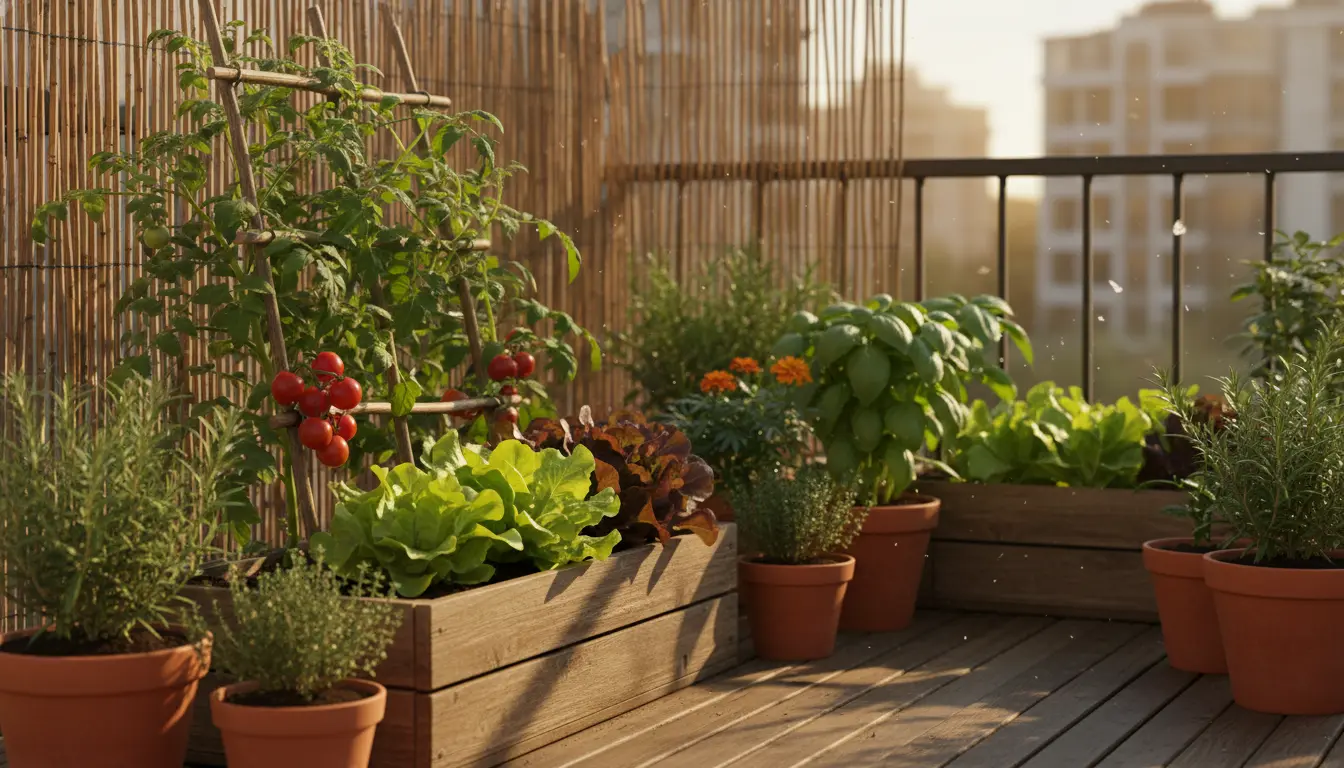
Containers, raised beds, and window boxes are great for small vegetable garden setups. Use pots with drainage holes and choose sizes that match the plant’s root needs.
Select vegetables for a small vegetable garden
Choose crops that yield well in small spaces and match your climate. Fast, space-efficient choices include lettuce, radishes, herbs, cherry tomatoes, peppers, and bush beans.
Plan succession planting to keep the garden productive: plant a second round of quick crops after the first harvest.
Step-by-step setup for a small vegetable garden
Follow these steps to move from idea to planted garden in a few hours or a weekend.
- Step 1: Prepare containers or beds. Clean reused containers and ensure good drainage. For raised beds, fill with a mix of topsoil and compost.
- Step 2: Choose soil and mix. Use a high-quality potting mix for containers or a loamy soil mixed with compost for beds. Aim for loose, well-draining soil.
- Step 3: Plant at the right time. Check local frost dates and plant seeds or seedlings when temperatures match each crop’s needs.
- Step 4: Space plants appropriately. Follow spacing guidelines on seed packets. Overcrowded plants reduce yields and increase disease risk.
- Step 5: Mulch and stake as needed. Mulch retains moisture and suppresses weeds. Stake tomatoes and tall plants to save space and improve air flow.
Watering and feeding a small vegetable garden
Consistent watering is more important than frequent watering. Aim for deep, even moisture rather than light daily sprinkles.
Use a simple schedule: check soil daily and water when the top inch feels dry. Containers often need more frequent watering than ground soil.
Fertilizing for steady growth
Feed plants with a balanced, slow-release fertilizer or a diluted liquid feed every 3–4 weeks during the growing season. Herbs need less fertilizer than heavy feeders like tomatoes.
Pest control and common problems in a small vegetable garden
Small gardens still face pests and diseases, but prevention is effective. Rotate crops, remove diseased leaves quickly, and keep the area tidy.
Use these practical controls:
- Hand-pick large pests like caterpillars and slugs.
- Use row covers to protect young plants from insects.
- Apply insecticidal soap or neem oil for soft-bodied pests when needed.
Seasonal tasks for a small vegetable garden
Adjust tasks by season to keep the garden productive. In spring, prepare beds and start seedlings. Summer focuses on watering and harvesting.
In fall, remove spent plants, add compost, and plan cool-season crops like spinach and kale if your climate allows.
Simple tools and supplies for a small vegetable garden
Basic tools keep work efficient: a trowel, watering can or hose with a gentle nozzle, pruning shears, and gloves are enough to start.
Optional items include a soil thermometer, pH test kit, and a small trellis for vining plants.
Real-world example: A balcony small vegetable garden case study
Case study: Sarah, a city renter, converted a 6-foot balcony into a small vegetable garden using four 12-inch deep containers and two hanging planters.
She planted cherry tomatoes, basil, lettuce, and peppers in May. By August she harvested 8 pounds of tomatoes, regular salads from lettuce, and several batches of basil pesto.
Key wins: consistent watering, weekly liquid feed, and a small trellis for tomato support. Sarah spent 20–30 minutes twice a week maintaining the garden.
Tips for success with a small vegetable garden
- Start with a few easy crops and expand after success.
- Keep a gardening notebook to track planting dates and harvests.
- Join a local gardening group or online forum for seasonal advice.
Starting a small vegetable garden is an achievable project that pays back with fresh produce and satisfaction. With a little planning, the right soil, and steady care, even a tiny space can be productive.
Try one container this season and build on what works. Small steps lead to steady gardening success.