
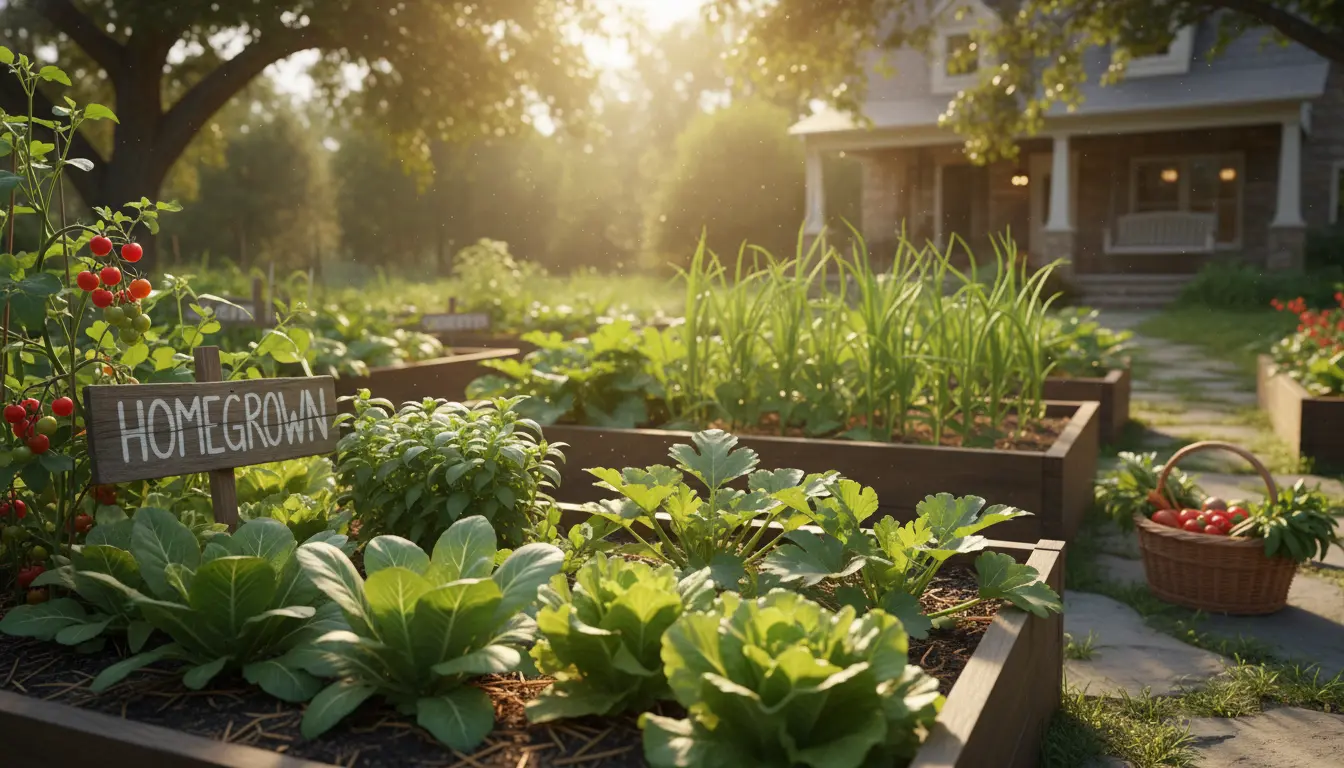
How to Start a Vegetable Garden: First Steps
Starting a vegetable garden is straightforward when you follow practical steps. This guide breaks the process into clear actions so beginners can get growing quickly.
Choose a Good Spot to Start a Vegetable Garden
Pick a location that gets 6–8 hours of direct sunlight daily. Vegetables need sun to produce healthy leaves and fruit.
Ensure the spot has decent drainage and easy access to water. Avoid low spots that collect cold water after rain.
Decide Between In-Ground or Raised Beds
Raised beds warm faster and give better control over soil quality. In-ground beds are cheaper and use existing soil.
- Raised beds: better for compact spaces and poor native soil.
- In-ground: good if you have deep, loamy soil.
- Containers: useful for balconies and patios.
Prepare Soil to Start a Vegetable Garden
Soil is the most important factor in a productive garden. Test soil pH and texture before planting for best results.
Amend soil with compost and organic matter to improve structure and nutrients.
Simple Soil Preparation Steps
- Remove weeds and grass from the planting area.
- Loosen soil to 8–12 inches for most vegetables.
- Add 2–4 inches of compost and mix it in.
- Consider a balanced organic fertilizer if a soil test shows nutrient gaps.
Planting: What and When to Start a Vegetable Garden
Choose vegetables suited to your climate and the season. Start with easy crops like tomatoes, lettuce, beans, and radishes.
Use seed packets or local planting calendars to time sowing and transplanting correctly.
Spacing and Companion Planting
Follow spacing directions on seed packets to avoid overcrowding. Proper spacing reduces disease and improves air flow.
Use companion planting to deter pests and boost yield. For example, plant basil near tomatoes to improve flavor and reduce pests.
Watering and Maintenance to Keep a Vegetable Garden Healthy
Water deeply and less often to encourage strong root growth. Aim for consistent moisture, especially during flowering and fruiting.
- Water in the morning to reduce disease risk.
- Use drip irrigation or soaker hoses to conserve water and keep foliage dry.
- Mulch with straw or shredded leaves to retain moisture and suppress weeds.
Routine Tasks
Set a weekly routine for weeding, checking for pests, and harvesting. Small, regular efforts prevent problems from growing out of control.
Tomatoes need both sunlight and consistent soil moisture. Irregular watering can cause blossom end rot, a common problem that can be prevented with steady irrigation and calcium-rich soil.
Common Pests and Simple Organic Controls
Identify pests early and use targeted methods to control them. Many problems can be managed without chemicals.
- Handpick large pests such as slugs and caterpillars.
- Use row covers to protect young plants from insects and birds.
- Encourage beneficial insects like ladybugs and lacewings by planting flowers.
Disease Prevention
Rotate crops each year to reduce soil-borne diseases. Remove and dispose of diseased plant material promptly.
Harvesting and Ongoing Care
Harvest vegetables at peak ripeness for best flavor and to encourage continued production. Regular harvesting often leads to higher yields.
After the season, clean beds, remove spent plants, and add compost to prepare for the next cycle.
Success Tips
- Start small: a few beds or containers are easier to manage.
- Keep a garden journal to track what worked and what did not.
- Join local gardening groups for region-specific advice and seed swaps.
Small Case Study: One Raised Bed, One Season
Maria, a beginner gardener, used a 4 x 8 ft raised bed in her sunny backyard. She amended the bed with compost and planted tomatoes, lettuce, bush beans, and radishes in spring.
By following a weekly watering schedule and mulching, Maria harvested fresh salad greens every week and 12 pounds of tomatoes by late summer. She recorded issues like early blight and switched to more resistant tomato varieties the next season.
This simple plan gave steady yields and taught practical lessons without a large time investment.
Quick Checklist to Start a Vegetable Garden
- Choose a sunny spot with good drainage.
- Decide bed type: raised, in-ground, or containers.
- Test and amend soil with compost.
- Select easy vegetables for your climate and season.
- Establish a watering and maintenance routine.
- Monitor for pests and disease, and rotate crops annually.
Starting a vegetable garden is a step-by-step process. With basic planning and regular care, even a small space can yield nutritious food and a satisfying hobby.