
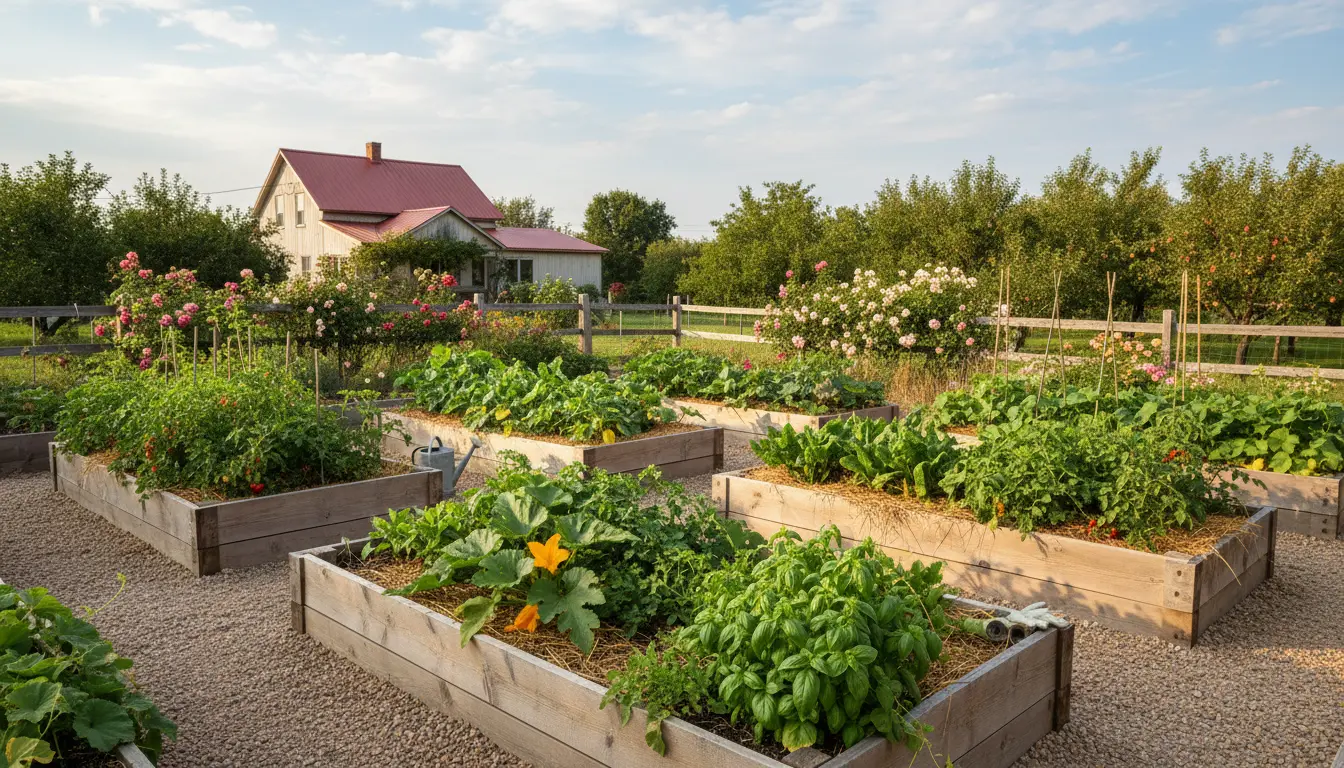
Why Start a Small Vegetable Garden
Starting a small vegetable garden is a practical way to grow fresh food, save money, and learn gardening basics. A compact plot or a few raised beds can supply herbs and vegetables for a household with limited time.
This guide explains how to start a small vegetable garden step by step, with realistic choices for soil, plants, and maintenance.
Planning Your Small Vegetable Garden
Choose the Right Location
Select a spot that gets at least 6 hours of direct sunlight for most vegetables. Pay attention to shade patterns from trees, buildings, or fences.
Ensure convenient access to water and that the area has good drainage. If ground space is limited, consider containers or raised beds.
Decide Garden Size and Layout
Start small: a 4×8 foot raised bed or three to five containers can be enough for beginner needs. Small size makes planting, weeding, and harvesting less overwhelming.
Plan paths and bed widths so you can reach the center without stepping on soil. A common bed width is 3 to 4 feet for easy access.
Soil and Soil Preparation for a Small Vegetable Garden
Test and Improve Soil
Test soil texture and pH using a simple kit or send a sample to a local extension. Most vegetables prefer slightly acidic to neutral soil (pH 6.0–7.0).
Add organic matter like compost to improve structure, water retention, and nutrient levels. Aim for a mix of 60% topsoil and 40% compost in raised beds if starting from scratch.
Using Raised Beds or Containers
Raised beds warm faster in spring and prevent compaction. Use untreated cedar, composite, or other garden-safe materials.
Containers should have fast-draining potting mix and be sized for the crop. Deep-rooted vegetables need deeper pots.
Plant Selection and Timing
Choose Easy Crops for a Small Vegetable Garden
Begin with reliable, low-maintenance vegetables. Good choices include lettuce, spinach, radishes, bush beans, cherry tomatoes, zucchini, and herbs like basil and parsley.
Stagger plantings to extend harvests: sow small salad greens every 2–3 weeks and plant a few tomato or pepper seedlings for continuous production.
Follow the Season
Check your local frost dates and plant cool-season crops (peas, lettuce) before the last frost. Warm-season crops (tomatoes, peppers) should be planted after frost risk passes.
Use seed packets and plant labels to track spacing and days to maturity. This helps plan what fits in your small garden.
Watering and Feeding Your Small Vegetable Garden
Watering Basics
Water deeply and less frequently to encourage root growth. Aim for about 1 inch of water per week, adjusting for rain and heat.
Use soaker hoses or drip irrigation to conserve water and reduce leaf wetness, which lowers disease risk.
Fertilizing
Incorporate compost at planting and supplement with balanced organic fertilizer if growth is slow. Follow product instructions for application rates.
Side-dress heavy feeders like tomatoes and squash with compost or a nitrogen-rich fertilizer mid-season.
Pest and Disease Management in a Small Vegetable Garden
Preventive Practices
Rotate crops each year if space allows to reduce soil-borne diseases. Keep beds tidy and remove diseased plants promptly.
Use row covers for early-season insect protection and choose disease-resistant varieties when available.
Organic Control Options
- Handpick larger pests like slugs and caterpillars.
- Use insecticidal soaps or neem oil for soft-bodied insects.
- Encourage beneficial insects by planting flowers like marigolds and nasturtiums.
Planting diverse crops together reduces pest outbreaks. Companion planting can improve flavor and deter pests—basil with tomatoes is a classic example.
Harvesting and Ongoing Care for a Small Vegetable Garden
Harvest at Peak Times
Pick vegetables when ripe to encourage more production. Leafy greens taste best when young, while tomatoes should be fully colored and slightly soft.
Regular harvesting prevents overripening and keeps plants productive through the season.
Season Extension and Winter Care
Use row covers or cold frames to extend the season for cool-loving crops. Mulch beds in autumn to protect soil and add organic matter for next year.
Clear spent plants and add them to compost unless they showed signs of disease.
Small Real-World Case Study
Case Study: A 4×8 raised bed on a sunny apartment balcony supplied a couple with salad greens, cherry tomatoes, and herbs. They planted transplants for tomatoes and succession-sowed lettuce every three weeks.
Watering twice a week with a drip kit and adding compost monthly produced six months of harvests. They avoided major pest problems by using floating row covers early and harvesting promptly.
Quick Checklist to Start a Small Vegetable Garden
- Choose a sunny location and decide bed or container size.
- Test soil and mix compost into planting medium.
- Select 4–6 easy crops and plan planting dates around frost.
- Install simple watering—soaker hose or drip line.
- Use mulch and cover crops to maintain soil health.
Starting a small vegetable garden does not require expensive tools or large space. With planning, basic soil improvement, and steady care, most beginners can harvest fresh produce within weeks.