
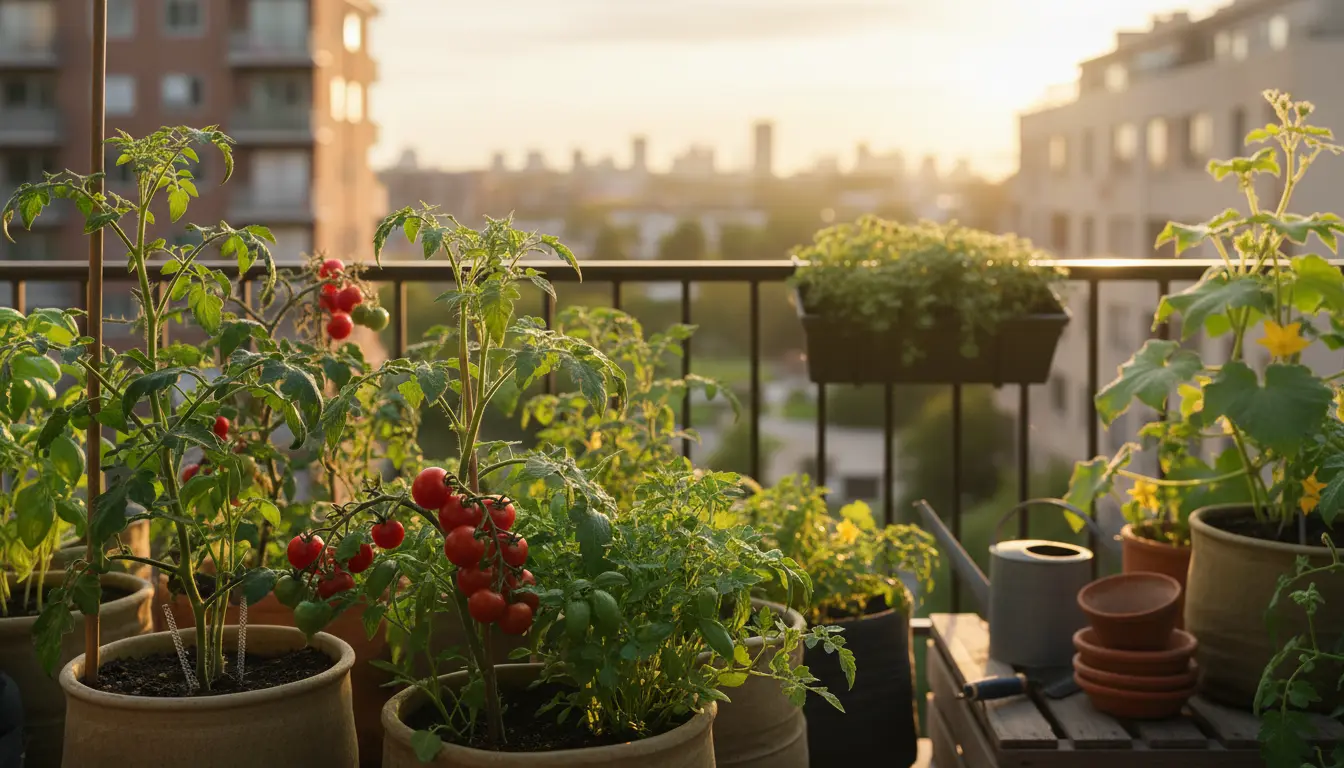
Why Start a Small Vegetable Garden?
Growing a small vegetable garden is practical and rewarding. It saves money, improves meal quality, and connects you with your food source.
Small gardens fit balconies, patios, or a tiny backyard space. With the right planning, you can grow fresh produce year-round.
Many vegetables like lettuce, radishes, and herbs mature in 30 to 60 days, making them ideal for small, quick-turn gardens.
Planning Your Small Vegetable Garden
Start by assessing light, space, and your goals. Most vegetables need at least six hours of direct sunlight each day.
Decide if you’ll use containers, raised beds, or a small in-ground plot. Each option affects soil depth, drainage, and plant choices.
Choose Location and Containers for a Small Vegetable Garden
Pick the sunniest spot available and ensure easy access to water. If space is tight, vertical planters and shallow containers work well.
Use pots with drainage holes and at least 10–12 inches of soil for many vegetable varieties. Larger crops like tomatoes need deeper containers.
Select Vegetables for Small Spaces
Focus on compact, high-yield crops. Good choices include lettuce, spinach, radishes, herbs, bush beans, and cherry tomatoes.
Consider quick-growing varieties that give harvests in one season. Stagger planting dates to maintain continuous harvests.
Soil, Water, and Feeding for a Small Vegetable Garden
Healthy soil is the foundation of a successful small vegetable garden. Use a light, well-draining potting mix for containers.
Amend in-ground beds with compost and ensure a balanced texture so roots can breathe and retain moisture.
Soil Mix and Compost
Create a mix with equal parts compost, coconut coir or peat, and coarse sand or perlite for containers. This gives nutrients and drainage.
Add slow-release organic fertilizer at planting and side-dress with compost tea or diluted liquid feed every 3–4 weeks during the season.
Watering Schedule
Containers dry faster than garden beds. Check soil moisture daily in hot weather. Water when the top inch feels dry to the touch.
Use a drip line or soaker to reduce water waste. Water early in the morning to minimize evaporation and reduce leaf diseases.
Practical Planting and Maintenance Steps for a Small Vegetable Garden
Follow a simple routine to keep the garden productive and low-maintenance. Consistent small tasks prevent bigger problems.
- Plan layout: group plants by water and light needs.
- Plant at the right depth and space to reduce competition.
- Mulch with straw or shredded bark to retain moisture and suppress weeds.
- Thin seedlings to avoid overcrowding and improve airflow.
- Harvest regularly to encourage new growth and prevent bolting.
Label containers and record planting dates. A short notebook or app helps track what worked and what didn’t each season.
Pest Control and Common Problems for Small Vegetable Gardens
Small gardens are easier to monitor, which helps early detection of pests and diseases. Use a mix of cultural and organic methods.
Encourage beneficial insects like ladybugs and lacewings by planting flowers and avoiding broad-spectrum pesticides.
- Hand-pick larger pests such as slugs and caterpillars.
- Use floating row covers to protect young plants from flying insects.
- Rotate crops year to year to reduce soil-borne diseases.
If a disease appears, remove affected leaves and improve airflow. Replace soil or use new potting mix if problems persist in containers.
Small Real-World Case Study: A Balcony Tomato and Herb Garden
Maria, an apartment dweller, converted a 6-foot balcony into a small vegetable garden. She used three 20-inch containers and a vertical herb stand.
She chose one determinate tomato, basil, chives, and a mixed salad container. By rotating watering times and adding compost monthly, she harvested tomatoes and continuous herbs for six months.
Key results: consistent summer salads, reduced grocery trips, and minimal pest issues due to daily monitoring and companion planting with basil.
Seasonal Tips and Troubleshooting for Your Small Vegetable Garden
Adjust planting times to local climate. Use frost dates to plan spring and fall crops and extend seasons with cloches or small hoop tunnels.
For heat stress, provide afternoon shade cloth and increase watering frequency. For poor growth, test soil pH and adjust with lime or sulfur as needed.
Getting Started Today
Begin with three steps: pick a sunny spot, choose 2–4 easy crops, and prepare your container or bed with quality soil. Small actions now lead to steady harvests.
Keep tasks simple: water regularly, feed monthly, and harvest often. Over time you’ll learn what your space prefers and can expand gradually.
Start small, track results, and enjoy fresh vegetables from your own compact garden.