
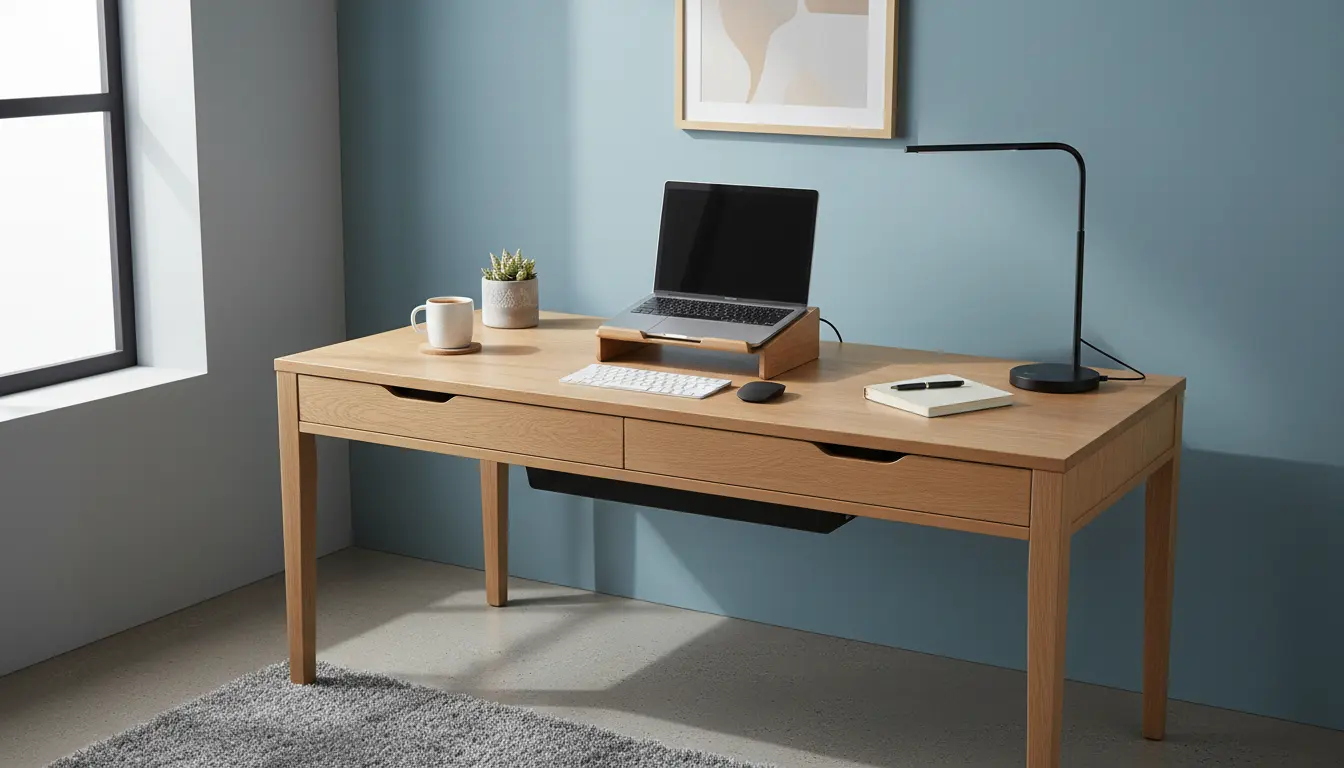
Remote Work Setup Basics
Creating a reliable remote work setup starts with clear goals. Define what tasks you do most and the tools those tasks require before assembling your space.
Plan for comfort, connectivity, and minimal distractions. This reduces friction and helps you stay productive without long-term strain.
Choosing the Right Space for Remote Work Setup
Pick a location with good natural light and low foot traffic. A dedicated corner, spare room, or even a converted closet can work if organized well.
Consider noise levels and privacy for calls. Use rugs, curtains, or a room divider to dampen sound if needed.
Essential Equipment for Remote Work Setup
Start with reliable basics: a desk, an adjustable chair, a monitor or laptop, keyboard, and mouse. These core items shape daily comfort and efficiency.
Invest gradually—prioritize items that directly reduce discomfort or improve work speed.
- Desk: stable surface, correct height for your elbows.
- Chair: adjustable lumbar support and armrests.
- Monitor: at eye level to avoid neck strain.
- Keyboard and mouse: ergonomic models if you type a lot.
- Headset: noise-cancelling for calls and focus.
Proper monitor height can reduce neck strain by up to 30 percent. Aim for the top of the screen at or slightly below eye level.
Ergonomics and Comfort in Your Remote Work Setup
Ergonomics is central to a sustainable remote work setup. Small adjustments prevent pain and maintain energy through long workdays.
Simple alignment changes have outsized benefits for long-term health and productivity.
Chair and Desk Setup
Adjust your chair so your feet rest flat and knees are at about a 90-degree angle. Your elbows should sit comfortably at desk height to reduce shoulder tension.
If your desk is too high or low, use a keyboard tray or an adjustable desk riser. Standing desks are a good option when swapped during the day.
Monitor and Lighting
Position your monitor 20–30 inches from your eyes and center it to reduce head turns. Use a monitor riser or a stack of books if needed.
For lighting, mix natural light with soft artificial light. Avoid glare on screens; place lights to the side rather than directly behind your monitor.
Connectivity, Tools, and Security for Remote Work Setup
A stable internet connection and the right tools shape your ability to collaborate and meet deadlines. Security keeps your work and clients safe.
Plan for redundancy and choose software that fits your workflow to avoid interruptions.
Internet and Backup Options
A wired Ethernet connection is more stable than Wi-Fi for heavy video calls or uploads. If wired is not possible, use a quality router near your workspace.
Keep a backup: mobile hotspot or a secondary ISP plan for critical days. Test speeds during your normal work hours to confirm reliability.
Software and Collaboration Tools
Use a consistent set of tools for communication and project tracking. Limit the number of overlapping apps to reduce context switching.
- Video calls: Zoom, Microsoft Teams, or Google Meet
- Project tracking: Trello, Asana, or ClickUp
- File sharing: Google Drive, Dropbox, or OneDrive
- Security: two-factor authentication and a VPN for remote access
Routine, Productivity, and Maintenance for Remote Work Setup
Routines transform a good remote work setup into consistent output. Define clear start and end times and build focus habits around them.
Regular maintenance keeps equipment performing well and prevents small problems from becoming major interruptions.
Daily Routine and Boundaries
Start with a short checklist: plan your top three tasks, check messages, and block focused time. Use calendar blocks to protect deep work periods.
Set boundaries with family or housemates, and use visual cues like a closed door or headphones to signal focus time.
Maintenance and Upgrades
Clean your keyboard, check cable connections, and update software monthly. Replace worn items like mouse pads and chair cushions when they reduce comfort.
Budget upgrades over time: prioritize items that reduce friction or prevent injury, like a better chair or an external monitor.
Small Case Study: Real-World Remote Work Setup Improvement
Maria is a freelance marketing consultant who worked from her couch for months. She faced neck pain, low focus, and missed deadlines due to frequent interruptions.
Maria switched to a compact desk, an adjustable chair, and a single external monitor. She also scheduled three daily focus blocks and shifted calls to specific afternoons.
Within two weeks, Maria reported fewer aches and a 25 percent rise in billable hours. The small investments and clearer routine made the biggest difference.
Quick Checklist for Your Remote Work Setup
- Pick a dedicated, quiet workspace with good lighting.
- Use an adjustable chair and set monitor at eye level.
- Prefer wired internet or a strong Wi-Fi router; keep a backup.
- Standardize communication and project tools.
- Build a daily routine and protect focus time.
- Schedule monthly maintenance and plan gradual upgrades.
Follow these steps to develop a remote work setup that supports productivity and well-being. Small, consistent changes typically yield the best long-term results.