
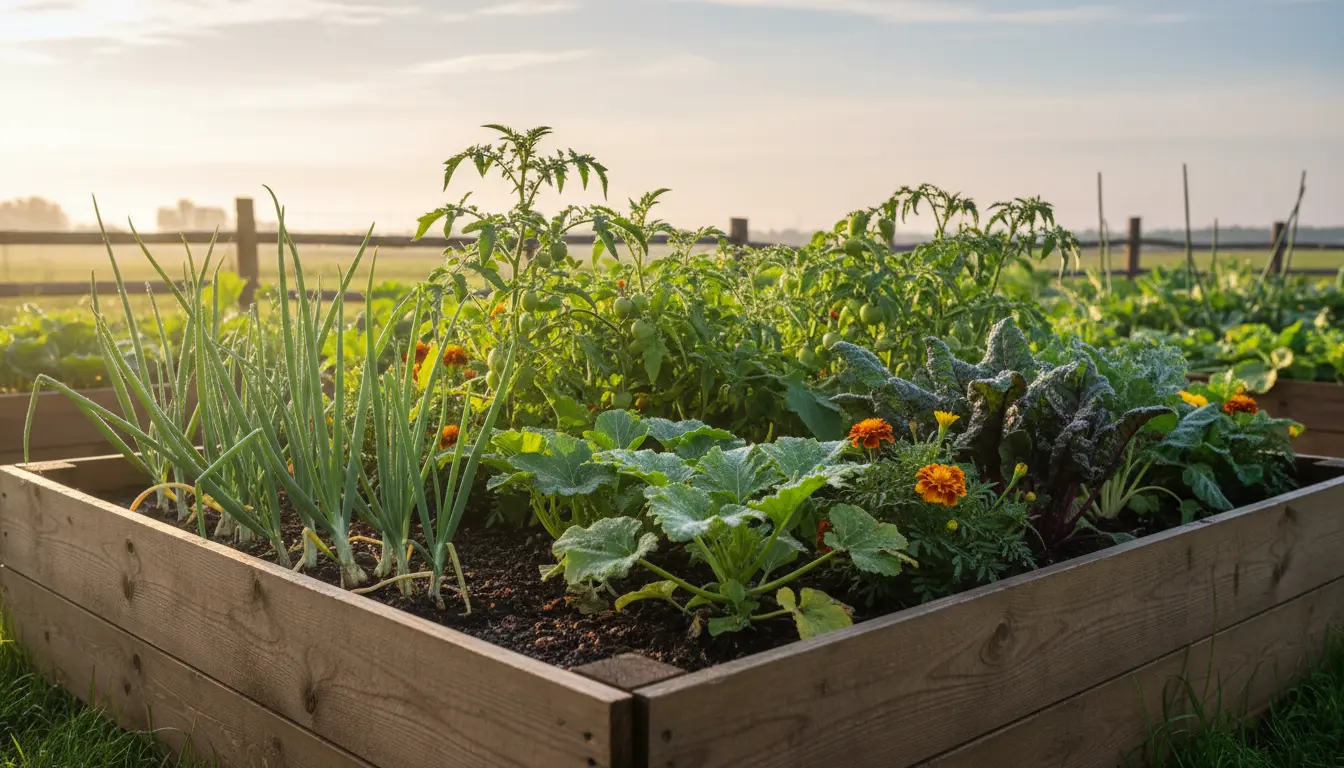
Getting started with a vegetable garden
Starting a vegetable garden is practical and achievable for most homeowners and renters. This guide shows simple, step-by-step actions to plan, plant, and maintain a productive garden without overwhelming technical detail.
Plan your vegetable garden
Good planning saves time and increases success. Before planting, decide where to place the garden, what to grow, and how much time you can commit each week.
Choose location for a vegetable garden
Select a spot with at least six hours of direct sunlight per day for most vegetables. Consider proximity to water, soil slope for drainage, and access for maintenance.
Decide garden type
Pick one of the common formats based on space and budget:
- In-ground rows: Low cost, good for large yards.
- Raised beds: Easier soil control, fewer weeds, better drainage.
- Container gardening: Best for patios and balconies.
Prepare soil and beds for a vegetable garden
Soil quality drives plant health. Focus on structure, fertility, and pH to support vegetables.
Test and amend soil
Use a basic soil test kit to check pH and nutrient levels. Most vegetables prefer a slightly acidic to neutral pH (6.0–7.0).
Common amendments:
- Compost: Improves structure and fertility.
- Well-rotted manure: Adds organic matter and nutrients.
- Sand or perlite: Helps with heavy clay drainage.
Build raised beds (optional)
Raised beds are simple to construct and reduce soil compaction. Typical size: 4 feet wide for easy reach, length as needed, and 8–12 inches deep minimum.
Select plants and timing for your vegetable garden
Choose vegetables suited to your climate and season. Group plants by maturity time and water needs to simplify care.
Easy starter vegetables
- Lettuce and salad greens — fast and forgiving.
- Radishes — quick harvest, good for succession planting.
- Tomatoes — productive but need staking and sun.
- Beans and peas — fix nitrogen and fill space vertically.
Plan succession planting
Stagger sowings every 2–3 weeks for continuous harvest. Use a simple calendar: early spring cool-season crops, then warm-season crops after the last frost.
Planting and early care
Follow seed packet or plant tag directions for depth and spacing. Water gently after planting and mulch to retain moisture and suppress weeds.
Watering basics for a vegetable garden
Vegetables generally need 1–1.5 inches of water per week. Water deeply and less often to encourage strong root systems.
Mulching and weed control
Apply 2–3 inches of organic mulch, such as straw or shredded leaves. Mulch keeps soil cool, reduces evaporation, and blocks most weeds.
Pest and disease management in a vegetable garden
Monitor plants weekly for pests and disease. Early detection makes organic or low-toxicity controls more effective.
Practical pest controls
- Hand-pick larger pests like caterpillars and beetles.
- Use row covers to protect young plants from insects.
- Encourage beneficial insects by planting flowers and herbs nearby.
Harvesting and ongoing care
Harvest vegetables at recommended maturity to encourage further production. Remove spent plants and add their biomass to the compost pile.
Seasonal tasks
- Early spring: Prepare beds and start cool-season crops.
- Summer: Monitor water and pinch back leggy growth.
- Fall: Harvest remaining crops, plant cover crops, and mulch beds.
Companion plants like marigolds and basil can reduce pests and improve yields when planted near tomatoes and peppers.
Simple case study: A first-season raised bed
Case: Maria converted a 4×8 raised bed in a sunny backyard last spring. She filled it with a mix of screened topsoil and compost and planted tomatoes, lettuce, radishes, and bush beans.
Result: With weekly watering and mulch, Maria harvested lettuce within 30 days and tomatoes by mid-summer. The raised bed produced continuous harvests with two plantings of lettuce and one of beans, requiring about 2 hours of maintenance per week.
Quick checklist to start your vegetable garden
- Choose a sunny location and garden type (raised bed, in-ground, containers).
- Conduct a soil test and add compost or other amendments.
- Select easy crops for your climate and plan succession sowing.
- Install watering method (hose, soaker line, or drip irrigation).
- Mulch, monitor pests, and harvest on schedule.
Final tips for a productive vegetable garden
Start small and expand as you gain experience. Keep a short garden journal with planting dates and results to improve yields next season.
With basic planning, regular care, and attention to soil health, anyone can grow fresh vegetables at home and enjoy better flavor and nutrition.