
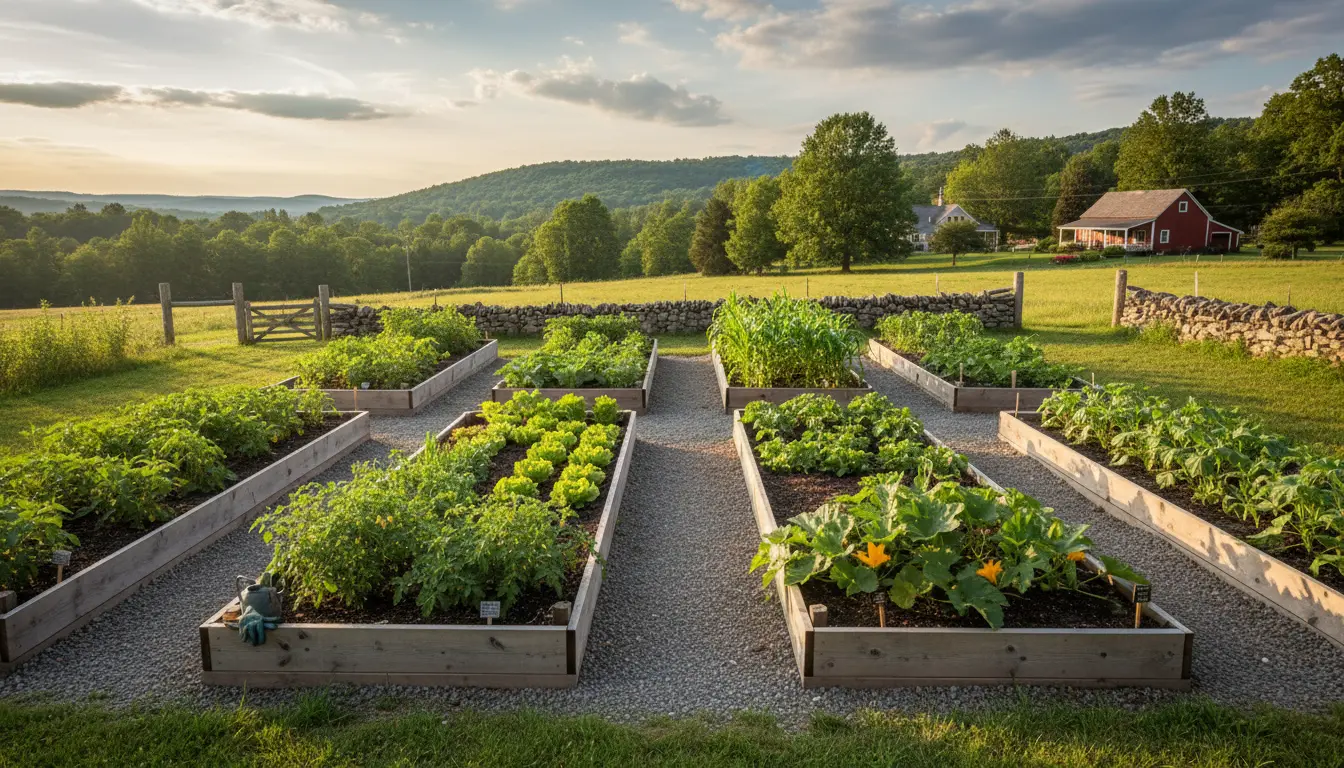
Starting a vegetable garden is a practical way to grow fresh food, save money, and learn new skills. This guide covers the basic steps to start a vegetable garden that produces reliably without unnecessary complexity.
Planning to Start a Vegetable Garden
Good planning makes the difference between a struggling patch and a productive garden. Begin by listing your priorities: what you want to grow, how much time you can commit, and whether you need containers or raised beds.
How to Start a Vegetable Garden: Choose the Right Spot
Select a location with at least 6 hours of direct sun for most vegetables. Consider proximity to water, level ground, and access for maintenance.
If sunlight is limited, choose leafy greens and root crops that tolerate part shade.
Layout and Size
Decide on bed size before building. Typical raised beds are 4 feet wide to allow access from both sides and 8–12 feet long to suit standard materials.
Start small—one or two beds or several containers—so you can manage planting, watering, and harvesting without feeling overwhelmed.
Preparing Soil and Location
Soil quality is the most important factor for healthy vegetables. Test soil pH and texture with a home kit or local extension service to know what needs adjusting.
How to Start a Vegetable Garden: Improve Your Soil
Mix in organic matter like compost or aged manure to improve structure, drainage, and nutrient content. Aim for 2–4 inches of compost worked into the top 6–8 inches of soil.
For raised beds, use a mix of topsoil, compost, and coarse sand or perlite for drainage.
Choosing Plants and Planting
Choose vegetables suited to your climate and season. Early crops include peas, lettuce, and radishes; warm-season crops include tomatoes, peppers, and squash.
How to Start a Vegetable Garden: Seed vs Seedlings
Start seeds directly for carrots, beets, and beans. Buy seedlings for crops that benefit from a head start, such as tomatoes and peppers.
Follow recommended spacing on seed packets to avoid overcrowding and ensure air circulation.
- Easy beginner crops: lettuce, radish, cherry tomatoes, bush beans, zucchini.
- Tools to have: hand trowel, watering can or hose with nozzle, soil meter, pruners.
- Supplies: compost, mulch, stakes or cages, organic fertilizer.
Watering, Feeding, and Maintenance
Consistent watering is crucial. Water deeply and less often rather than shallow daily sprays to encourage deep roots.
How to Start a Vegetable Garden: Watering Tips
Morning watering reduces disease risk and allows leaves to dry before evening. Use drip irrigation or soaker hoses for efficiency if possible.
Mulch with straw or wood chips to retain moisture and suppress weeds.
Fertilizing and Feeding
Most gardens benefit from a balanced feed at planting and a light side-dressing during the season. Use a slow-release organic fertilizer or compost tea for steady nutrients.
Troubleshooting Common Problems
Pests, diseases, and nutrient deficiencies are common but manageable. Use observation as your first diagnosis tool.
- Yellow leaves: check for overwatering or nitrogen deficiency.
- Holes in leaves: look for caterpillars, slugs, or beetles and remove by hand or use organic controls.
- Poor flowering: ensure adequate sun and phosphorus; reduce excess nitrogen.
Seasonal Care and Crop Rotation
Rotate crops yearly to reduce soil-borne diseases and nutrient depletion. Follow legumes with heavy feeders like tomatoes or corn.
Clean up spent plants at season end and add them to your compost or remove diseased material to prevent overwintering problems.
Planting marigolds near tomatoes can reduce nematode populations in soil, while basil planted near tomatoes may improve flavor and deter pests.
Small Case Study: Jane’s Patio Vegetable Garden
Jane had only a sunny 6×8 foot patio and wanted fresh salad greens and tomatoes. She built two 4×2 foot raised beds and used quality potting mix with added compost.
She planted lettuce, radishes, cherry tomatoes, and basil. With drip irrigation and weekly compost tea, Jane harvested salad greens within five weeks and saw healthy tomato yields by mid-summer.
Her lessons: start small, water consistently, and stake tomatoes early to avoid stem damage.
Quick Start Checklist to Start a Vegetable Garden
- Pick a sunny spot and measure available space.
- Test and amend soil or prepare raised beds with quality mix.
- Choose 3–6 easy crops for your first season.
- Plant according to seed packet dates and spacing.
- Mulch, water deeply, and monitor for pests weekly.
Final Tips to Start a Vegetable Garden
Keep records of planting dates and varieties to learn what works in your space. Expect some failures—gardening improves with seasonal experience.
Start small, focus on easy wins, and expand as you gain confidence. A practical, patient approach will reward you with fresh vegetables and steady improvement each season.