
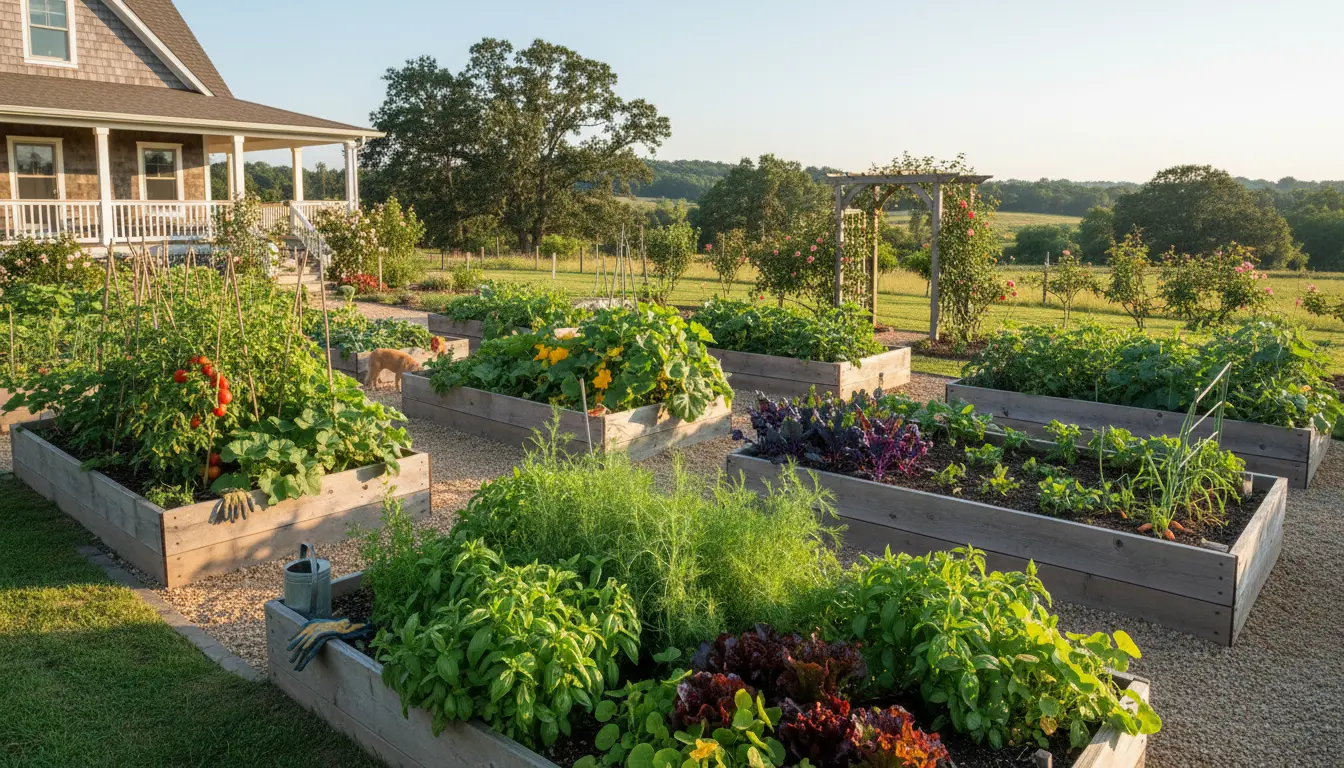
Starting a vegetable garden is a simple way to grow healthy food and learn basic gardening skills. This guide explains clear, practical steps to help you plan, plant, and maintain a productive garden whether you have a backyard, balcony, or small yard.
Why Start a Vegetable Garden
Knowing why you want to start a vegetable garden helps shape what you grow and how much time you invest. Common reasons include fresh food, lower grocery costs, and a rewarding hobby.
Decide your goals before you begin and choose crops that match your needs and climate.
Benefits of starting a vegetable garden
- Fresh, flavorful produce at lower cost
- Better control over pesticides and soil quality
- Outdoor activity and stress relief
How to Start a Vegetable Garden: Step-by-Step
This practical plan focuses on easy-to-follow actions so you can start a vegetable garden with confidence.
Choose the Right Spot to Start a Vegetable Garden
Select a location with the most sunlight available. Most vegetables need at least 6 hours of direct sun each day.
Look for flat ground with good drainage and easy access to water.
Plan What to Grow in Your Vegetable Garden
Start with 4 to 8 varieties you and your family eat regularly. For beginners, pick fast-growing and forgiving plants.
- Easy choices: lettuce, radishes, tomatoes, green beans, and herbs
- Consider seasonality: cool-season crops vs warm-season crops
- Use succession planting to maximize harvests
Prepare Soil and Beds for Your Vegetable Garden
Good soil matters more than fancy tools. Test the soil if possible, or observe how water drains after a rain.
Improve soil by adding compost and loosening compacted areas. Raised beds are an excellent option for small spaces and better drainage.
Planting and Early Care for a Vegetable Garden
Follow seed packet or plant label spacing and depth. Water gently after planting to settle soil around roots.
Mulch around plants to conserve moisture and reduce weeds. Monitor pests and remove damaged leaves early.
Common Mistakes When Starting a Vegetable Garden
Avoid these common errors that slow success for people who start a vegetable garden.
- Planting too many crops too fast — start small
- Ignoring sunlight needs — crops will underperform in shade
- Overwatering or poor drainage — leads to root rot
- Neglecting soil health — skips compost and organic matter
Small Case Study: Starting a Vegetable Garden on a City Balcony
Maria, a city renter, wanted fresh herbs and tomatoes but had limited space. She used three 12-inch pots and one 4×3 foot raised planter.
Within one season she harvested cherry tomatoes, basil, and leaf lettuce. Maria started with compost and slow-release fertilizer, watered every other day, and replaced a sick tomato plant early to avoid disease spread.
Outcome: enough herbs for weekly cooking and tomatoes for two people, low cost, and improved cooking flavor.
Maintenance Tips After You Start a Vegetable Garden
Regular maintenance keeps yields steady. Set a simple weekly routine for watering, weeding, and pest checks.
- Water in the morning to reduce fungal disease
- Pull weeds when small to prevent competition for nutrients
- Rotate crops each year to reduce pest pressure and nutrient depletion
Simple Organic Pest Controls
Try handpicking pests, using insecticidal soap for soft-bodied insects, or encouraging beneficial insects with flowering plants.
Use row covers to protect young plants from insect damage during critical early stages.
Quick Checklist to Start a Vegetable Garden
Use this short checklist to begin today and avoid common beginner mistakes.
- Pick a sunny spot with access to water
- Decide which vegetables match your climate and taste
- Test or improve soil with compost
- Choose appropriate containers or raised beds if space is limited
- Plant at the right time for your local frost dates
- Set a weekly maintenance plan for watering and weeding
Starting a vegetable garden does not require perfect soil or lots of space. With a clear plan, a few tools, and regular care you can grow nutritious food and gain gardening skills quickly. Begin small, learn from each season, and expand as you gain confidence.