
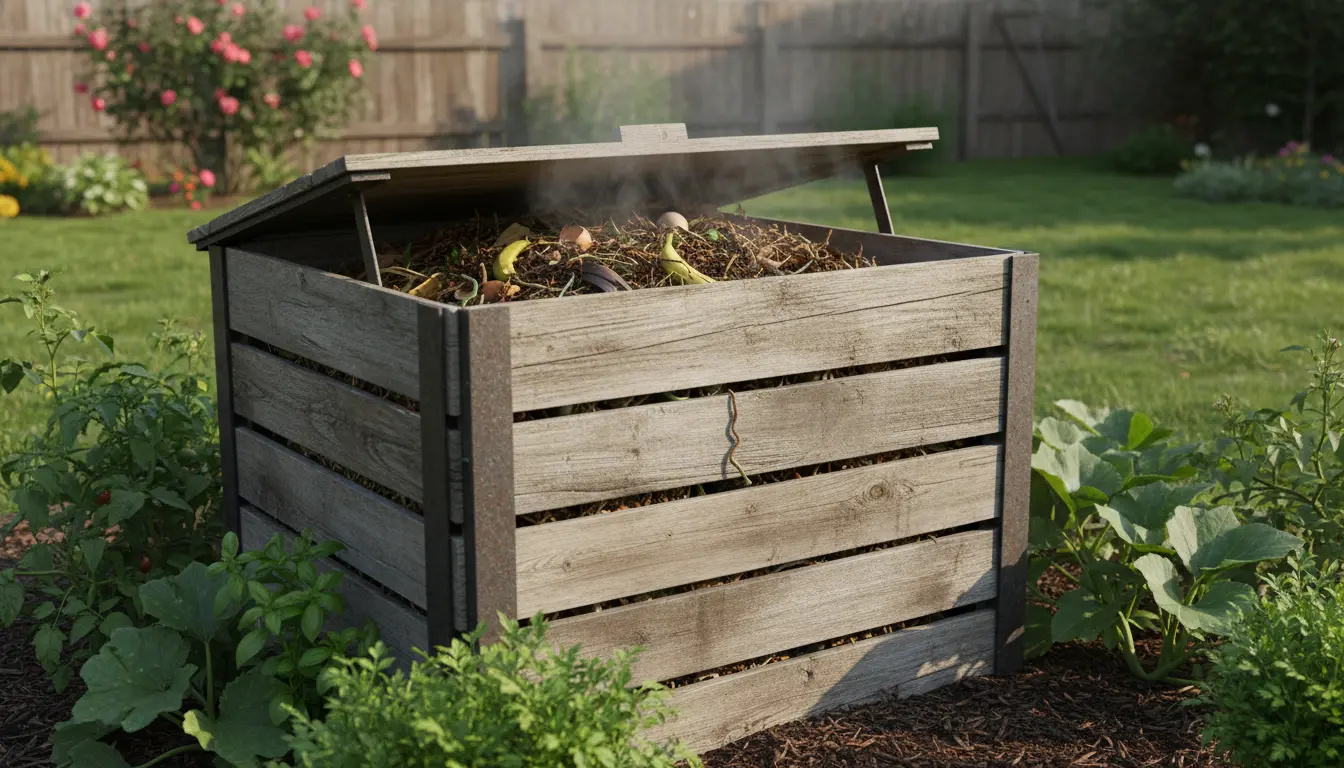
What Is Home Composting and Why It Matters
Home composting turns kitchen scraps and yard waste into a rich soil amendment. It reduces trash, lowers methane from landfills, and improves garden soil structure.
Compost adds nutrients and helps soil retain water, which supports healthier plants and reduces the need for chemical fertilizers.
Basic Principles of Home Composting
Successful home composting depends on a balance of materials, moisture, and airflow. Think of compost as a living ecosystem where microbes break down organic matter.
Keep layers of carbon-rich “browns” and nitrogen-rich “greens” to maintain steady decomposition.
Key Materials for Home Composting
Use a mix of brown and green materials. Browns provide carbon and structure; greens supply nitrogen and moisture.
- Brown materials: dry leaves, shredded paper, cardboard, straw
- Green materials: vegetable scraps, coffee grounds, grass clippings
- Avoid: meat, dairy, oily foods, diseased plants, and pet waste
Ideal Conditions for Home Composting
Target a moisture level similar to a wrung-out sponge. Too dry and microbes slow down; too wet and the pile smells.
Provide airflow by mixing or using a bin with vents. Temperature between 100°F and 140°F speeds up breakdown but is not required for basic backyard composting.
Choosing a Home Composting Method
Pick a method that fits your space and time. Options range from simple piles to enclosed bins and worm composting systems.
Common Home Composting Options
- Open pile: Low cost, needs space and occasional turning.
- Compost bin: Tidy, helps retain heat, and reduces pests.
- Tumbler: Easier to turn and faster composting, good for small yards.
- Vermicomposting: Uses worms to process kitchen scraps indoors or in small outdoor setups.
Step-by-Step: Start Home Composting Today
Follow these practical steps to create and maintain a compost pile or bin at home.
- Step 1: Choose a location that is level and easy to access, ideally with partial shade.
- Step 2: Select a container or mark out a pile area. Add a 4-inch base of coarse brown material for drainage.
- Step 3: Add materials in alternating layers of greens and browns. Aim for roughly 2 parts brown to 1 part green by volume.
- Step 4: Maintain moisture and aerate every 1–2 weeks by turning or mixing the pile.
- Step 5: Harvest finished compost when it is dark, crumbly, and earthy-smelling—usually in 2–6 months depending on conditions.
Composting one household produces about 300 to 600 pounds of compostable material per year, depending on diet and yard size. Turning that into compost reduces landfill waste and improves your garden soil.
Troubleshooting Common Home Composting Problems
Smells, pests, and slow decomposition are common but fixable. Most problems come from poor balance, too much moisture, or lack of oxygen.
Quick Fixes
- Bad odors: Add more dry browns and turn the pile to introduce air.
- Pests: Avoid meat and oily foods, use a closed bin, and bury fresh scraps under brown layers.
- Slow breakdown: Chop or shred materials to increase surface area, keep pile moist, and add nitrogen-rich greens.
Real-World Example: Small Apartment Vermicompost Case Study
Case study: Maria lives in a two-bedroom apartment and started vermicomposting in a small plastic bin with red wigglers. She used shredded paper and cardboard as bedding and added about one cup of kitchen scraps per day.
Within three months she produced enough nutrient-rich worm castings to mix into houseplant soil. Maria reported less trash, no odors, and improved plant growth.
How to Use Finished Home Compost
Finished compost can be mixed into garden beds, used as a top dressing, or combined with potting mixes. It improves structure, water retention, and nutrient availability.
Apply a 1–3 inch layer around plants or mix one part compost to two parts soil when planting.
Simple Checklist Before You Start Home Composting
- Have a bin or designated area and a basic mix of browns and greens.
- Know what to avoid adding to prevent pests and odors.
- Plan to monitor moisture and turn or aerate regularly.
Final Practical Tips for Home Composting Success
Start small and learn by doing. Composting is forgiving; even slow piles add value to soil over time.
Keep a small container with a tight lid for kitchen scraps and empty it into your bin every few days. Consistency is more important than perfection.
Following these steps will help you set up a reliable home composting system that reduces waste and supports healthier plants.