
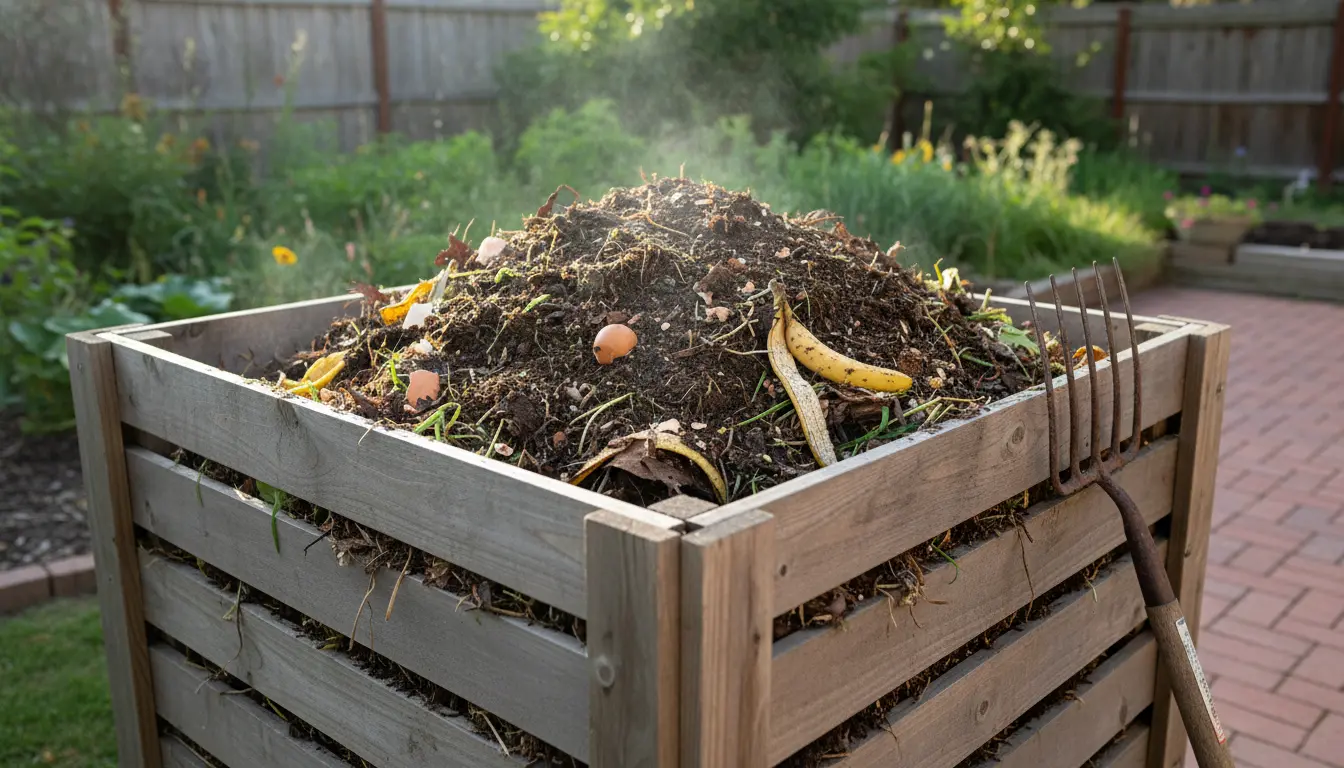
Home Composting Basics
Home composting turns kitchen scraps and yard waste into nutrient-rich soil. It reduces landfill waste and improves garden health without complex equipment.
This guide explains simple steps, suitable systems, common materials, and how to avoid problems when starting home composting.
What is home composting?
Home composting is the natural decomposition of organic material using microbes, air, moisture, and a balance of materials. The result is humus-like compost that feeds plants.
Composting can be done in a backyard bin, tumbler, or a small indoor system for apartments. The method you pick depends on space and how fast you want results.
Why choose home composting?
Composting reduces food waste, lowers greenhouse gas emissions from landfills, and returns nutrients to soil. It also saves money on fertilizers and improves soil structure.
Even small efforts, like collecting vegetable peelings, make a measurable difference over a year.
Home Composting Materials and Balance
Successful home composting relies on a roughly balanced mix of carbon rich and nitrogen rich materials. These are commonly called browns and greens.
Common materials for home composting
- Greens (nitrogen): fruit and vegetable scraps, coffee grounds, fresh grass clippings.
- Browns (carbon): dried leaves, shredded paper, cardboard, straw.
- Avoid: meat, dairy, oils, diseased plants, and pet waste in most home systems.
How to balance materials
A simple rule is about 2 to 3 parts browns to 1 part greens by volume. If your pile smells, add more browns; if it is dry and slow, add water and greens.
Chopping or shredding materials speeds decomposition by increasing surface area for microbes.
Home Composting Methods
Choose a method that matches your space and commitment level. Each method has pros and cons.
Backyard bin
Open or enclosed bins are low-cost and hold a large volume. They work well if you have yard space and moderate input of kitchen waste.
Compost tumbler
Tumblers make turning easy and reduce pests. They are faster than static piles but cost more and hold less material.
Indoor or worm composting
Worm bins fit apartments and produce very rich castings. They need monitoring of moisture and temperature but can handle most kitchen scraps except citrus and onion in excess.
Step-by-Step: Starting Home Composting
Follow these practical steps to get your home composting system going and maintain it easily.
- Choose a container: bin, tumbler, or worm box based on space.
- Layer a base of browns on the bottom to improve airflow.
- Add kitchen scraps and yard waste in alternating layers of greens and browns.
- Keep it moist like a wrung-out sponge; water if dry, add browns if too wet.
- Turn or mix the pile every 1 to 2 weeks for aerobic decomposition, or rotate the tumbler as instructed.
- Harvest finished compost after a few months to a year depending on method and conditions.
Troubleshooting Home Composting
Common problems are easy to fix with a few adjustments.
Bad smells
Smells indicate anaerobic conditions or too many greens. Add browns, mix the pile, and ensure airflow.
Slow decomposition
If decomposition is slow, check moisture, add greens or turn the pile to reintroduce oxygen. Smaller pieces break down faster.
Pests
To deter pests, bury food scraps under a layer of browns, use a closed bin or tumbler, and avoid adding meat or oily foods.
Small Real-World Case Study
Case study: A two-person apartment used a 20-liter worm bin on a balcony for 12 months. They added most vegetable scraps and coffee grounds, avoiding citrus in large amounts.
Result: They produced about 15 liters of worm castings per year and cut their kitchen waste by roughly 40 percent. The castings were mixed with potting soil to boost balcony herb growth.
Practical Tips for Long-Term Success
- Keep a small counter bucket with a tight lid for daily scraps to reduce trips to the bin.
- Chop large items and dry leaves to speed composting.
- Label bins and keep a simple log to track materials, turning schedule, and results.
- Use finished compost as a soil amendment or top-dressing for potted plants.
Getting Started with Home Composting
Pick a method, gather basic supplies, and start small. Monitor the pile weekly for moisture and odor and adjust with browns or greens as needed.
Home composting is flexible: adapt the approach to your space, amount of waste, and time. With simple care, you can turn everyday scraps into a valuable resource for your garden.