
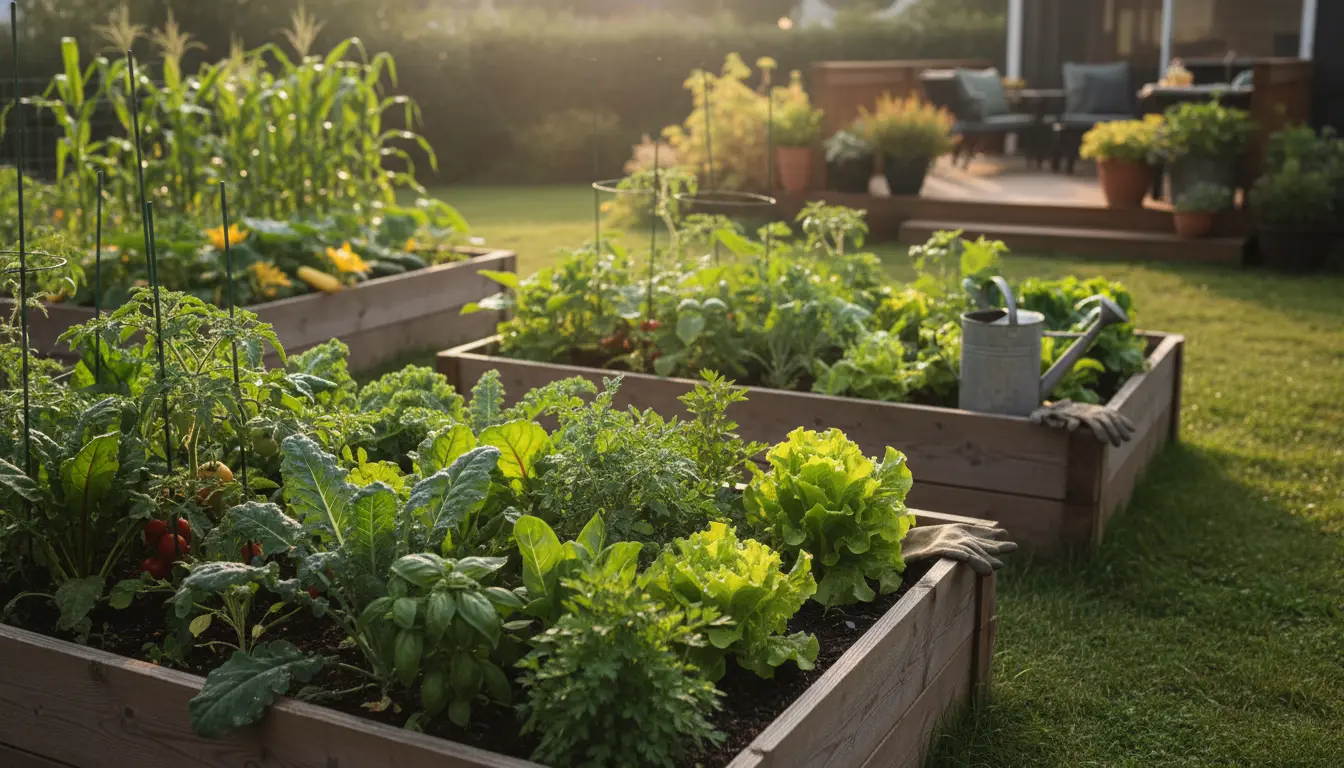
How to Start a Vegetable Garden: First Steps
Starting a vegetable garden is achievable with basic planning and simple tasks. This guide breaks the process into clear actions you can follow over a weekend or a single season.
Start a Vegetable Garden: Decide Why and Where
Begin by deciding what you want to grow and why. Are you aiming for fresh salad greens, tomatoes, herbs, or a mix? Your goals shape size and layout choices.
Next, pick a location. Vegetables need sunlight, good drainage, and easy access to water. Most vegetables require at least 6 hours of direct sun.
Preparing Soil to Start a Vegetable Garden
Good soil is the most important factor for a productive garden. Invest time in testing and improving soil before planting.
Start with a soil test kit or send a sample to a local extension service. Test results help you correct pH and nutrient gaps efficiently.
Soil Improvement Steps
- Clear the area of grass and weeds. Remove roots and debris by hand or with a hoe.
- Loosen soil to 8–12 inches using a fork or tiller. Avoid over-tilling to preserve structure.
- Add organic matter such as compost or well-rotted manure at 2–3 inches depth. Mix it into existing soil.
- Adjust pH if needed: lime raises pH, sulfur lowers it. Follow soil test recommendations.
Choose Crops and Planting Methods
Select vegetables suited to your climate and season. Start with easy, fast-growing crops if you are a beginner.
Good First Crops to Start a Vegetable Garden
- Leafy greens: lettuce, spinach, kale — quick harvests and forgiving.
- Root vegetables: radishes and carrots — require light care and space.
- Beans and peas: fix nitrogen and boost soil fertility naturally.
- Tomatoes and peppers: productive with staking and summer sun.
Decide between direct sowing and starting seeds indoors. Fast crops like radish are best sown directly, while tomatoes often benefit from indoor starts.
Layout and Watering Systems
Organize plants by height and water needs. Taller crops should be on the north side of the bed to avoid shading smaller plants.
Simple Layout Tips to Start a Vegetable Garden
- Use raised beds or rows for better drainage and clearer paths.
- Group plants by water needs to avoid over- or under-watering.
- Leave 18–36 inches between rows or beds for access and maintenance.
Watering is critical. Aim for deep, infrequent watering that reaches root zones. Drip irrigation or soaker hoses cut water use and reduce foliage wetness.
Pest Control and Maintenance
Daily to weekly checks help catch problems early. Most issues are easier to fix when small.
Maintenance Tasks When You Start a Vegetable Garden
- Weed regularly to reduce competition for nutrients and water.
- Stake and prune plants like tomatoes to improve air flow and fruit quality.
- Use floating row covers to protect seedlings from insects without chemicals.
- Rotate crops each year to reduce disease build-up in soil.
Adding even 2 inches of compost to your garden bed each year can increase yield and improve soil structure within two seasons.
Fertilizing and Feeding
Feed plants based on soil test recommendations. Over-fertilizing can cause weak growth and more pest problems.
Use balanced organic fertilizers or compost tea during the growing season. Apply slower-release fertilizers at planting for steady nutrients.
Small Real-World Example: One-Season Raised Bed Case Study
Maria, a beginner gardener, converted a 4×8 raised bed in spring. She amended the soil with 3 inches of compost and planted lettuce, radishes, bush beans, and two tomato plants.
She used a drip line and mulched with straw. By mid-summer she had regular harvests of salad greens and tomatoes. The beans added nitrogen, improving late-season cucumber growth in the next season.
Lessons: start small, invest in soil, and water consistently for reliable results.
Seasonal Calendar to Start a Vegetable Garden
Follow a simple calendar for planting and care. Timing varies by climate, so adjust to your local frost dates.
- Early spring: test soil, prepare beds, sow peas and radishes.
- Late spring: transplant tomatoes and peppers after frost risk passes.
- Summer: maintain water, stake plants, harvest regularly.
- Fall: pull spent plants, add compost, and plant cover crops if desired.
Quick Checklist to Start a Vegetable Garden
- Choose location with 6+ hours of sun.
- Test and amend soil before planting.
- Select 3–6 easy crops for your first year.
- Set up simple irrigation and mulching.
- Inspect plants weekly for pests and water needs.
Starting a vegetable garden does not require large space or complex tools. With a clear plan, improved soil, and simple maintenance routines, you can grow fresh produce that saves money and tastes better than store-bought options.