
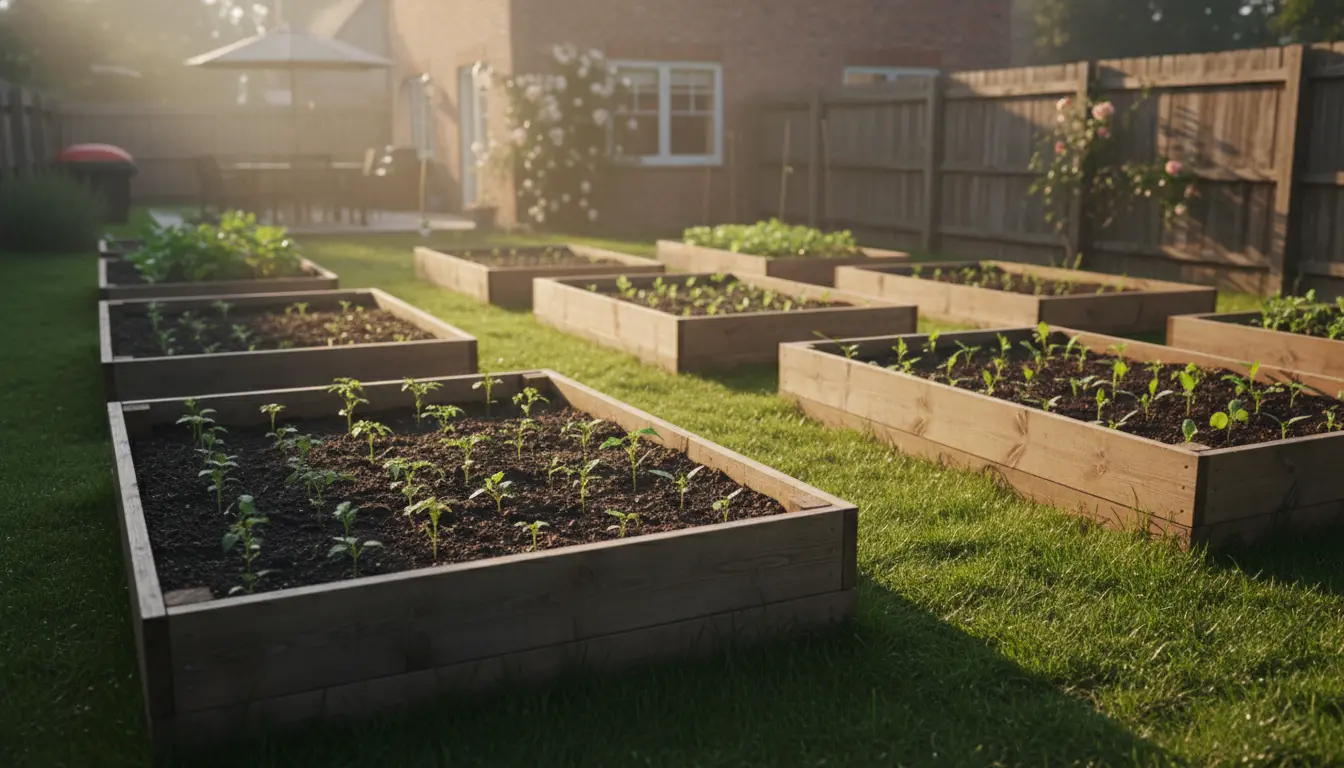
Start a Vegetable Garden: First Decisions
Starting a vegetable garden begins with clear, simple decisions. Choose the location, scale, and growing method before buying seeds or soil.
Short planning prevents wasted effort and expense. This guide gives step-by-step, practical instructions you can use in a backyard, balcony, or community plot.
Choose the Right Site to Start a Vegetable Garden
Most vegetables need 6 to 8 hours of direct sun each day. Pick a spot that gets the most sunlight and avoids heavy shade.
Consider access to water, proximity to your kitchen for harvesting, and protection from strong winds.
Urban and Small-Space Options
If space is limited, use containers or raised beds on a balcony or patio. You can grow many vegetables in 12 to 18 inch deep containers.
Soil and Soil Preparation for a Vegetable Garden
Good soil is the foundation of a productive garden. Test or assess your soil texture and drainage before planting.
Amend heavy clay or sandy soils with organic matter such as compost or well-rotted manure to improve structure and fertility.
- Test soil pH if possible; most vegetables prefer pH 6.0 to 7.0.
- Add 2 to 3 inches of compost to the topsoil and mix it in.
- For raised beds, use a mix of topsoil, compost, and a light amendment such as coconut coir for moisture retention.
Preparing Beds and Containers
Clear weeds and debris, then loosen the soil to a depth of 8 to 12 inches for beds. For containers, ensure drainage holes and use a well-draining potting mix.
Plant Selection and Timing to Start a Vegetable Garden
Choose vegetables suited to your climate and season. Beginners should start with easy crops that yield quickly.
- Easy starter crops: lettuce, spinach, radishes, bush beans, cherry tomatoes, herbs like basil and parsley.
- Observe your last frost date and follow seed packet or plant tag timing for sowing or transplanting.
Succession Planting
To maximize harvest, practice succession planting by sowing fast crops every 2–3 weeks. This keeps harvests steady rather than concentrated in one period.
Watering, Feeding, and Mulching
Consistent watering is more important than frequent shallow watering. Aim for deep, infrequent watering to encourage strong root growth.
Mulch around plants to conserve moisture, reduce weeds, and regulate soil temperature.
- Water early in the morning to reduce evaporation and disease risk.
- Use a balanced organic fertilizer or compost tea mid-season if growth slows or leaves yellow.
Pest and Disease Management for New Vegetable Gardeners
Start with prevention: healthy soil, proper spacing, and crop rotation help reduce problems. Inspect plants regularly for pests or disease signs.
- Use row covers to protect young plants from insects.
- Handpick pests like slugs and caterpillars or use organic controls such as neem oil when needed.
- Remove and compost only healthy materials; diseased plants should be discarded away from the garden.
Harvesting and Post-Harvest Care
Harvest vegetables at peak ripeness for best flavor and to encourage continued production. Regular harvesting often leads to higher yields.
Store produce properly—leafy greens in cool, slightly damp conditions and root vegetables in cool, dry places.
Start a Vegetable Garden: Small Real-World Case Study
Case study: Maria converted a 6 by 4 foot section of her small backyard into three raised beds. She started by adding two inches of compost and planting lettuces, bush beans, and tomatoes.
Within eight weeks she had weekly harvests of salad greens and herbs. She used a simple drip tubing system connected to a timer to water deeply twice a week and covered seedlings with fabric row covers to prevent flea beetles.
Her yield in the first season paid off in saved grocery money and a steady supply of fresh vegetables.
Quick Checklist to Start a Vegetable Garden
- Select sunny site and plan bed layout.
- Test and amend soil or prepare containers with potting mix.
- Choose easy, climate-appropriate crops and schedule planting.
- Install simple irrigation and use mulch to retain moisture.
- Monitor plants for pests and diseases; harvest regularly.
Final Tips to Start a Vegetable Garden and Keep It Productive
Start small and expand after one successful season. Keep records of planting dates, varieties, and what worked well.
Join a local gardening group or online forum to learn region-specific tips and swap seeds. With simple planning and basic care, you can create a productive vegetable garden even with limited time and space.