
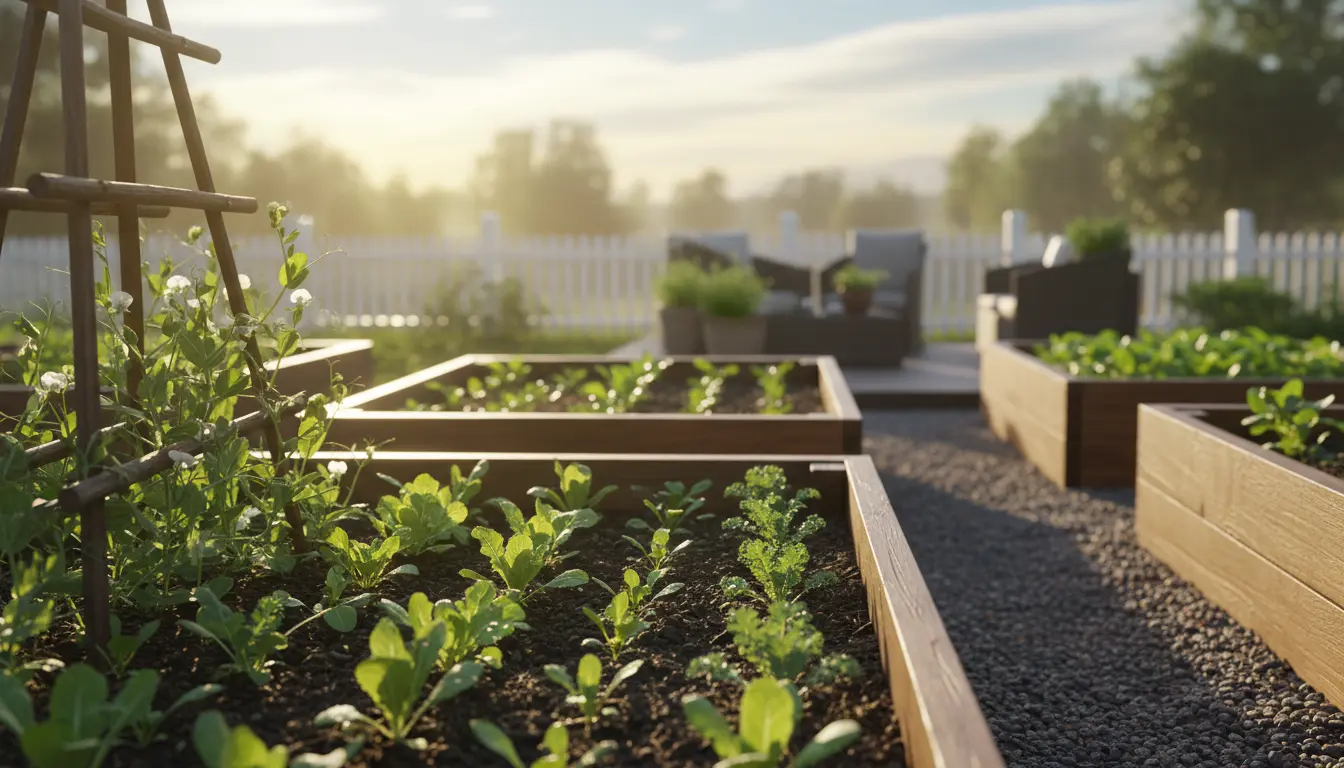
How to start a vegetable garden: a quick overview
Starting a vegetable garden is a rewarding way to grow fresh food and learn about plants. This guide gives clear, practical steps so you can begin with confidence.
Choose where to start a vegetable garden
Location determines how successful your garden will be. Pick a spot that gets at least six hours of direct sun for most vegetables.
Consider access to water, level ground, and protection from strong wind. For small yards or balconies, use containers or raised beds.
Sunlight and microclimates
Observe the chosen area over a full day to note sun patterns. Morning sun is better than only late afternoon sun for many crops.
Microclimates — warmer spots near walls or cooler shaded corners — influence which crops will thrive.
Prepare soil to start a vegetable garden
Good soil is the most important factor. Test soil pH and texture, or assume average and improve with organic matter.
Loosen compacted soil to at least 8–12 inches for root crops. Add compost and a balanced organic fertilizer if needed.
- Remove weeds and large rocks.
- Mix in 2–4 inches of compost.
- For heavy clay, add coarse sand and organic matter.
- For sandy soils, add compost and moisture-retaining amendments.
Raised beds and containers
Raised beds warm faster and offer better drainage. They are ideal for beginners and urban gardeners.
Use a good-quality potting mix for containers and keep in mind containers dry out faster than ground soil.
Plan what to plant when you start a vegetable garden
Choose crops that match your climate, space, and skill level. Start with easy, fast-growing vegetables to build confidence.
- Beginner-friendly vegetables: lettuce, radishes, green beans, zucchini, tomatoes.
- Consider succession planting for continuous harvests.
- Plant taller crops on the north side to avoid shading smaller plants.
Seed vs. transplants
Seeds are cheaper and offer more variety, but transplants give a head start for long-season crops like tomatoes and peppers.
Follow planting depth and spacing on seed packets or plant labels to avoid overcrowding.
Watering and maintenance to keep a vegetable garden healthy
Consistent moisture is critical, especially during germination and fruit development. Water deeply and less often to encourage strong roots.
Use drip irrigation or soaker hoses for efficiency. Mulch reduces evaporation and keeps weeds down.
- Water early in the morning to reduce disease risk.
- Check soil moisture with your finger—water when the top 1–2 inches are dry.
- Remove diseased leaves promptly and rotate crops yearly if possible.
Pest and disease basics when you start a vegetable garden
Observe plants daily to catch problems early. Identify pests before using controls.
Start with cultural controls: clean tools, proper spacing, and resistant varieties. Use physical barriers like row covers if needed.
Organic options
Hand-picking, insecticidal soaps, neem oil, and beneficial insects can manage many pests without harsh chemicals. Always follow label instructions.
Adding one inch of compost per year improves soil structure and fertility over time, making crops more resilient and productive.
Harvesting and feeding back into the garden
Harvest regularly to encourage continued production. Pick leafy greens when young for best flavor.
Save vegetable scraps and garden debris for compost to refill nutrients in the soil the next season.
Simple crop rotation plan
Group crops into families (leafy, root, fruiting, legumes) and rotate them to reduce disease and balance nutrients. Legumes restore nitrogen for heavy feeders like tomatoes.
Small real-world case study
Case Study: Laura’s 10×10 Raised Bed
Laura converted an unused patch of sod into a 10×10 raised bed. She added 3 inches of compost, filled the bed with a loam-compost mix, and planted tomatoes, basil, lettuce, and bush beans.
In the first season she harvested continuous salad greens for four months and six tomato plants produced enough for fresh eating and canning. Her simple routine—morning watering, weekly weeding, and mulch—kept labor to about 30 minutes twice a week.
Checklist to start a vegetable garden
- Pick a sunny, accessible site.
- Test and amend soil with compost.
- Choose 3–6 easy crops for your first season.
- Decide on seeds or transplants.
- Set up watering (hose, soaker hose, or drip).
- Mulch and monitor pests weekly.
Final tips to successfully start a vegetable garden
Start small and expand as you gain experience. Keep records of planting dates, varieties, and yields to improve each year.
Local gardening groups and extension services provide region-specific advice and can help diagnose problems quickly.
Follow these steps and you can start a vegetable garden that fits your time and space while giving you fresh produce and gardening satisfaction.