
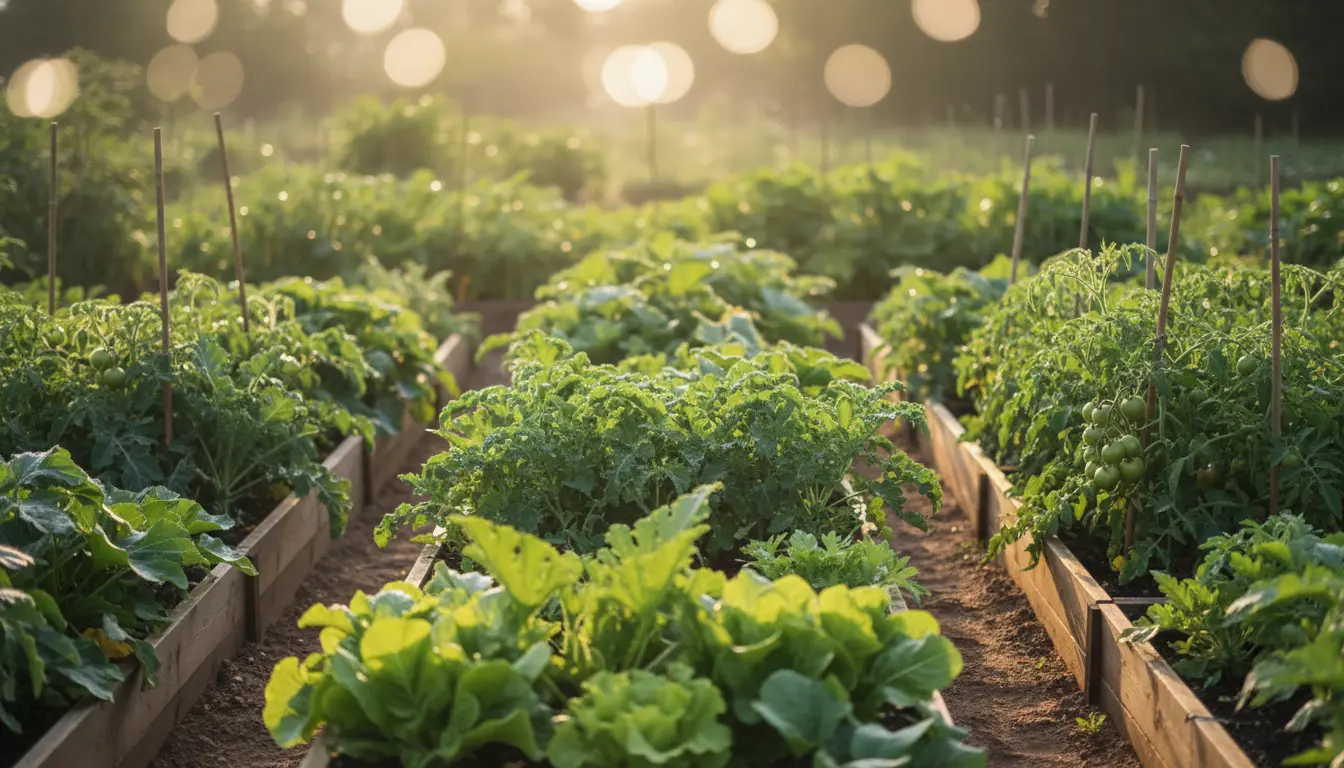
Why Start a Vegetable Garden
Starting a vegetable garden gives you fresh produce, saves money, and connects you to the seasons. A simple garden can supply weekly vegetables and teach sustainable habits.
This guide explains how to start a vegetable garden with clear steps you can follow this season.
Choose the Right Spot to Start a Vegetable Garden
Picking the correct location is the first practical step when you start a vegetable garden. Aim for an area with at least 6 hours of direct sunlight daily.
Consider soil drainage, wind protection, and proximity to water. Raised beds or containers can solve poor soil or drainage issues.
Checklist for a Good Garden Site
- Full sun for most of the day (6–8 hours)
- Level or gently sloped ground with good drainage
- Easy access to water like a hose or rain barrel
- Protected from strong winds and heavy foot traffic
Prepare Soil Before You Plant
Soil quality determines plant health more than anything else. Test the soil pH and texture before you start a vegetable garden.
Amend soil with compost and organic matter to improve structure and fertility. For raised beds, use a mix of topsoil, compost, and coarse sand or perlite if needed.
Soil Preparation Steps
- Clear grass and weeds from the planting area.
- Loosen soil to 8–12 inches for most vegetables.
- Add 2–3 inches of compost and mix it in well.
- Level the bed and water lightly to settle the soil.
Plan What to Plant
Start with easy, high-yield vegetables suited to your climate. Focus on a few reliable crops rather than many varieties in your first year.
Consider space, time to harvest, and your family’s preferences when choosing plants.
Best First Crops When You Start a Vegetable Garden
- Leafy greens: lettuce, spinach, kale
- Root crops: radishes, carrots, beets
- Warm-season favorites: tomatoes, peppers, bush beans
- Herbs: basil, parsley, chives
Planting and Timing
Follow local planting dates for your frost-free period. Use seed packets or plant tags to space plants correctly when you start a vegetable garden.
Stagger plantings of quick crops like lettuce to extend your harvest. Transplants save time for tomatoes and peppers.
Simple Planting Tips
- Direct-sow root crops and peas early in spring.
- Wait until soil warms for beans and squash.
- Harden off seedlings by gradually exposing them to outdoor conditions before planting.
Watering and Mulching
Consistent watering is key when you start a vegetable garden. Most vegetables need about 1 inch of water per week, more in hot weather.
Mulch helps retain moisture, suppress weeds, and moderate soil temperature. Apply 2–3 inches of organic mulch around plants.
Pest and Disease Management
Healthy soil and good spacing reduce pest and disease pressure. Inspect plants regularly and remove damaged leaves or plants early.
Use row covers, hand-picking, and companion planting as low-cost controls. Save chemical options as a last resort.
Harvesting and Ongoing Care
Harvest vegetables when they reach recommended size for best flavor and to encourage continued production. Pick regularly to avoid overripening.
Rotate crops each year to reduce soil-borne diseases and nutrient depletion. Replenish compost annually to maintain fertility.
Planting marigolds near vegetables can repel some pests and attract beneficial insects. Simple companion plants often reduce pest problems without chemicals.
Small Case Study: A Beginner Garden That Worked
Maria, a first-time gardener in zone 6, started a 10×4 foot raised bed in April. She amended the bed with three wheelbarrows of compost and planted lettuce, radishes, tomatoes, and bush beans.
By July she harvested weekly lettuce and radishes, and by late summer she had 12 pounds of tomatoes and 6 pounds of beans. Her investment included seeds, compost, and two tomato plants under $80 total, with about $150 value in produce in one season.
Common Beginner Mistakes and How to Avoid Them
- Overwatering: Check soil moisture before watering to avoid root rot.
- Planting too densely: Give plants recommended spacing to reduce disease.
- Ignoring soil tests: A simple test guides amendments and improves yields.
Quick Start Checklist
- Choose a sunny site and test the soil.
- Prepare beds with compost and loosen the soil.
- Pick 3–5 beginner-friendly crops and check planting dates.
- Mulch, water consistently, and monitor pests weekly.
Starting a vegetable garden is a practical project you can scale to any yard or balcony. With proper site selection, soil preparation, and simple care, beginners can enjoy fresh produce in a single season.