
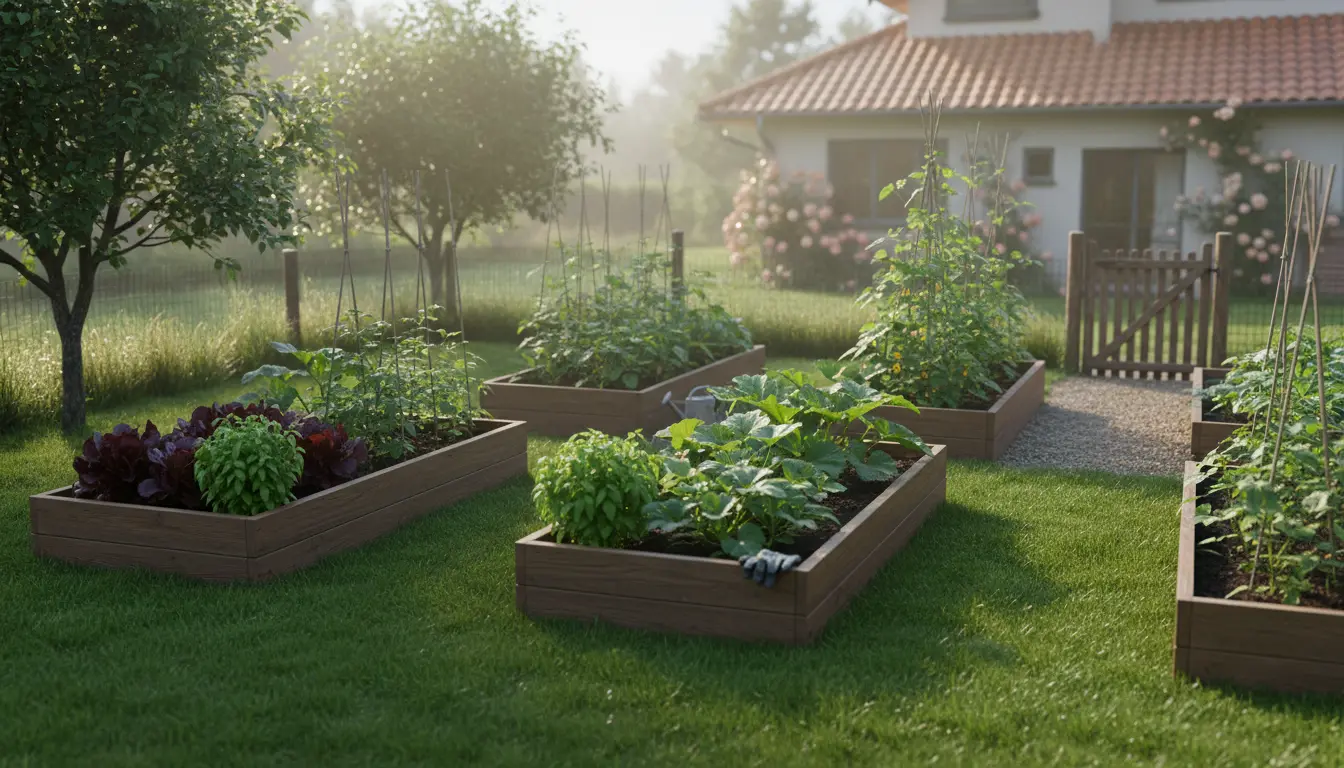
Getting Started: How to Start a Vegetable Garden
Starting a vegetable garden is a practical way to grow fresh food and learn new skills. This guide breaks the process into simple steps so beginners can plan, prepare, plant, and maintain a productive garden.
Plan Your Vegetable Garden
Good planning reduces mistakes and increases harvests. Begin by assessing space, sunlight, and time availability before choosing what to grow.
Choose a Location for Your Vegetable Garden
Pick a spot with at least six hours of direct sunlight per day for most vegetables. Consider access to water, soil slope, and proximity to your home for easier maintenance.
Select Vegetables for Beginners
Start with easy-to-grow crops that tolerate beginner mistakes. Choose varieties suited to your climate and season.
- Fast, forgiving vegetables: lettuce, radishes, green beans
- Low-maintenance: tomatoes (determinate varieties), zucchini, herbs
- Good for small spaces: cherry tomatoes, container peppers, bush beans
Prepare Soil and Beds for a Vegetable Garden
Soil quality is the most important factor for garden success. Improving soil boosts water retention, root growth, and nutrient availability.
Soil Testing and Improvement
Conduct a basic soil test to check pH and nutrient levels. Most vegetables prefer a pH between 6.0 and 7.0.
Improve soil with compost, aged manure, or well-rotted organic matter. Work amendments into the top 6–8 inches of soil for in-ground beds.
Raised Beds Versus In-Ground Vegetable Garden
Raised beds warm faster in spring and often have better drainage, which benefits early planting. In-ground beds may be cheaper and better for deep-rooted crops.
Decide based on soil condition, budget, and access. Build raised beds from rot-resistant wood or create mounded rows for good drainage.
Planting and Care in Your Vegetable Garden
Planting at the correct time and providing consistent care will lead to steady growth and higher yields. Follow seed packet or plant tag directions for spacing and depth.
Watering and Mulching Your Vegetable Garden
Deep, infrequent watering encourages strong roots. Aim for about 1 inch of water per week, adjusting for rain and heat.
Apply 2–3 inches of organic mulch to conserve moisture, suppress weeds, and moderate soil temperature.
Pest Control and Maintenance
Monitor plants weekly for pests and disease. Early detection makes management easier and reduces crop loss.
- Use row covers to protect seedlings from insects.
- Handpick large pests like slugs and caterpillars.
- Encourage beneficial insects with flowering herbs and companion plants.
Harvesting and Rotating Crops in a Vegetable Garden
Harvest vegetables when they are ripe to encourage continued production. Regular picking can increase yields for many crops like beans and zucchini.
Practice crop rotation to prevent soil-borne diseases and nutrient depletion. Rotate families (tomatoes/peppers, brassicas, legumes) across beds each year.
Tools, Schedule, and Common Mistakes
Keep tasks simple and consistent. A few basic tools and a seasonal schedule go a long way for a successful garden.
Essential Tools
- Hand trowel and cultivator
- Garden fork or spade
- Watering can or hose with a gentle nozzle
- Pruners and a hoe
Seasonal Schedule (Simple)
- Early spring: prepare soil, sow cool-season crops
- Late spring: transplant warm-season crops after last frost
- Summer: water, mulch, and harvest regularly
- Fall: clear spent plants, add compost, plan cover crops
Small Case Study: A Practical Example
Case Study: Linda, an apartment balcony gardener, converted three 2×4 ft planters into a productive vegetable garden. She chose bush beans, cherry tomatoes, basil, and lettuce for staggered harvests.
By planting lettuce and basil early and tomatoes later, she harvested fresh greens weekly for six months. Minimal tools, daily 10-minute checks, and regular watering produced reliable results.
Quick Tips to Succeed with Your Vegetable Garden
- Start small and expand as you gain confidence.
- Keep a garden journal to track planting dates, varieties, and outcomes.
- Choose disease-resistant varieties when possible.
- Save seeds from successful plants or note reliable varieties for next year.
Final Thoughts on How to Start a Vegetable Garden
How to start a vegetable garden becomes straightforward when broken into small steps: plan, prepare soil, plant correctly, and maintain. Focus on simple systems and consistent care to build confidence.
Begin with a few easy crops, learn from each season, and scale up. A practical approach will yield fresher food and more rewarding gardening experiences.