
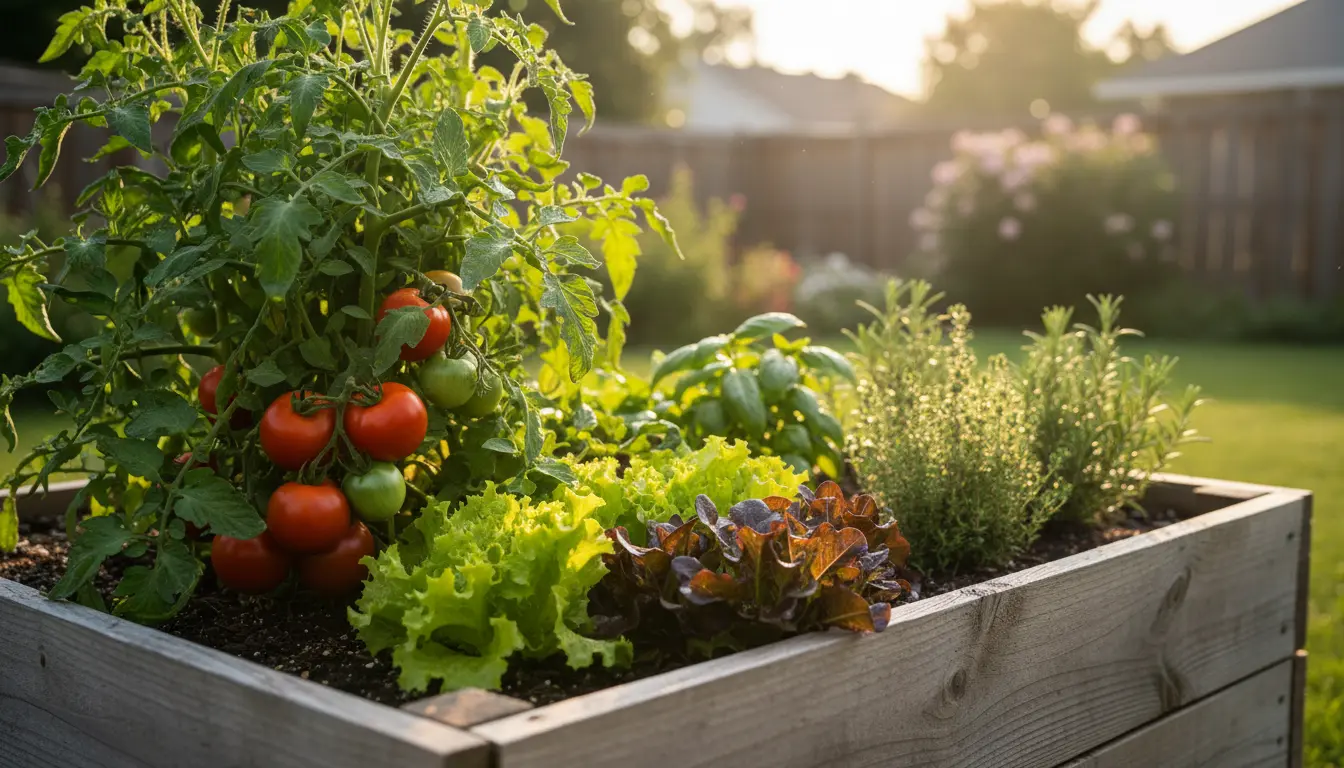
Starting a home vegetable garden is a practical way to grow fresh food, save money, and enjoy time outdoors. This guide breaks the process into clear steps you can follow, whether you have a backyard bed or a small balcony.
Plan Your Home Vegetable Garden
Effective planning saves time and improves yields. Begin by deciding what you want to grow and how much space you can dedicate.
Consider these questions before you plant: Where will the garden be? How much sunlight does that spot get? What vegetables do you and your household eat most often?
Choose crops for a home vegetable garden
Select easy-to-grow vegetables for your first season. Focus on quick wins to build confidence and learn local conditions.
- Leafy greens: lettuce, spinach, Swiss chard
- Fruiting plants: tomatoes, peppers, bush beans
- Root crops: carrots, radishes, beets
- Herbs: basil, parsley, chives
Pick the Right Location and Containers
Most vegetables need 6–8 hours of direct sunlight. Watch your chosen spot at different times of day to confirm light levels.
If ground space is limited, use containers or raised beds. Containers must have drainage and be large enough for the mature root system.
Location tips for a home vegetable garden
- South- or west-facing areas usually get the most sun.
- Keep the garden near a water source to simplify irrigation.
- Provide wind protection for exposed sites with a fence or hedge.
Prepare Soil and Improve Fertility
Good soil is the foundation of a productive home vegetable garden. Test the soil if possible to check pH and nutrient levels.
Amend native soil with compost to improve structure, drainage, and fertility. For raised beds, use a mix of topsoil, compost, and a light amendment like coconut coir or peat-free alternatives.
Soil preparation steps
- Clear weeds and debris from the site.
- Loosen soil to a depth of 8–12 inches for most vegetables.
- Add 2–3 inches of compost and mix well.
- Mulch after planting to retain moisture and suppress weeds.
Planting and Spacing for a Home Vegetable Garden
Follow seed packet instructions or plant tag spacing to avoid overcrowding. Proper spacing reduces disease and improves airflow.
Stagger plantings of quick crops like lettuce to extend harvest times. Succession planting is a low-effort way to keep the garden productive.
Basic planting schedule example
- Early spring: peas, spinach, radishes.
- After frost: tomatoes, peppers, squash.
- Late summer: second sowings of lettuce and carrots for fall harvest.
Watering, Fertilizing, and Pest Management
Water consistently to avoid stress. Deep, infrequent watering encourages strong roots better than shallow daily sprinkling.
Use a balanced organic fertilizer if the soil test shows deficiencies. Compost tea or well-aged compost can provide a gentle nutrient boost.
Pest and disease basics for a home vegetable garden
- Inspect plants weekly for pests or symptoms.
- Use floating row covers to protect young plants from insects.
- Practice crop rotation to reduce soil-borne diseases.
A well-managed 100 square foot vegetable garden can produce several hundred pounds of food in a single season, depending on crops and growing conditions.
Harvesting and Ongoing Care
Harvest regularly to encourage more production and to enjoy peak flavor. Remove spent plants at season end and add them to your compost pile.
Record what grows well and which pests were a problem. These notes make the next season easier and more productive.
Season extension tips for a home vegetable garden
- Use row covers or cold frames in spring and fall.
- Start seedlings indoors 4–8 weeks before the last frost.
- Choose cold-tolerant varieties to extend harvest windows.
Small Case Study: Sarah’s Balcony Tomatoes
Sarah had a 4-foot-wide balcony and wanted fresh tomatoes. She chose two large containers and determinate tomato varieties to limit height.
She filled containers with a ready-made potting mix, added slow-release organic fertilizer, and placed them in full sun. By the second month she was harvesting cherry tomatoes three times a week.
Key takeaways: choose container-friendly varieties, use good potting mix, and water consistently. Her success shows even small spaces can yield a reliable harvest.
Quick Checklist to Start a Home Vegetable Garden
- Decide location and measure available space.
- Choose easy crops for your climate and diet.
- Prepare soil or select quality containers and potting mix.
- Plan planting dates and spacing; set up watering.
- Monitor, mulch, and maintain through the season.
Starting a home vegetable garden is a step-by-step process that rewards planning and regular care. Follow these practical steps, keep notes each season, and adjust plant choices to your space and taste.