
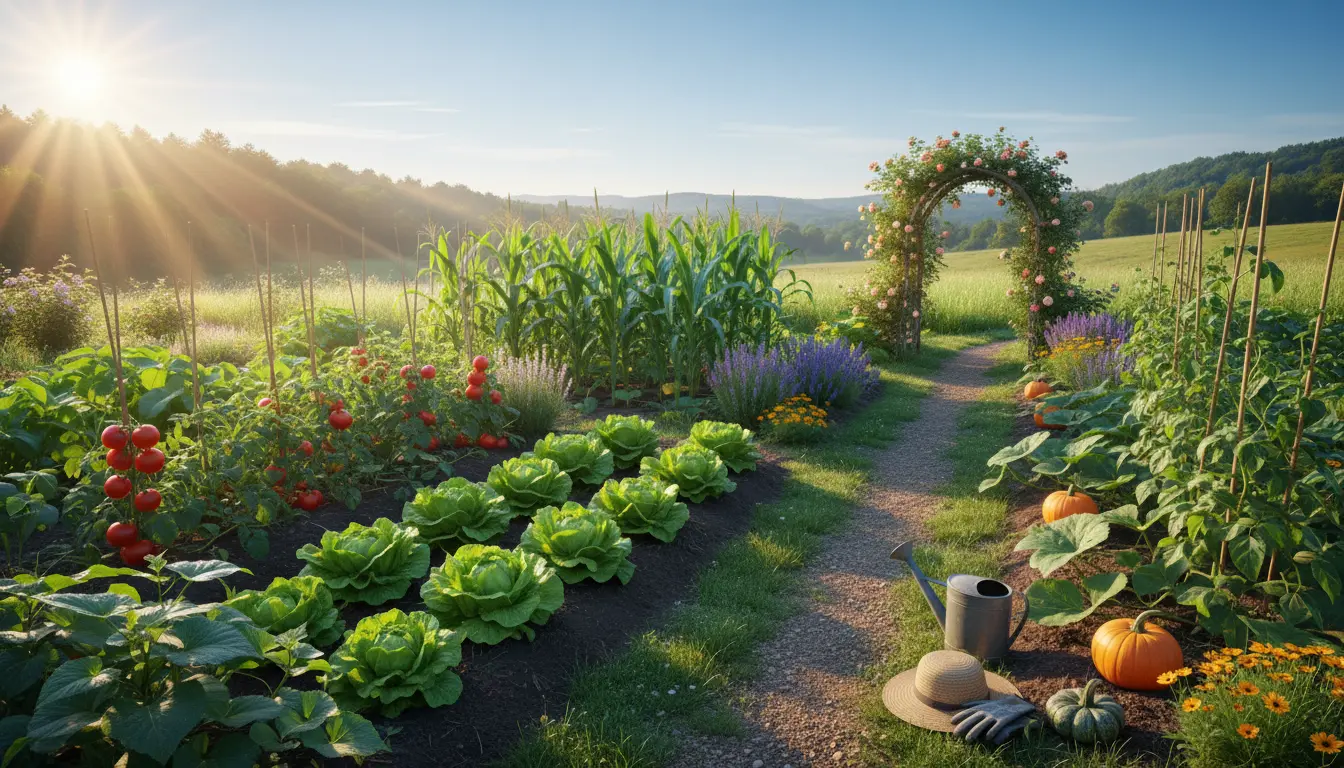
How to start a vegetable garden: Overview
Starting a vegetable garden is a practical way to grow fresh food, save money, and learn new skills. This guide breaks the process into clear steps so you can begin with confidence.
Choose the right site to start a vegetable garden
Selecting the right spot is the first task when you start a vegetable garden. Most vegetables need 6–8 hours of direct sunlight and good drainage.
Look for a flat area near a water source and away from large tree roots. If sunlight is limited, use containers or raised beds that you can move as needed.
Checklist for site selection
- Minimum 6 hours of sun daily
- Easy access to water
- Good air circulation to reduce disease
- Avoid low spots that collect water
Prepare soil before you start a vegetable garden
Healthy soil is the foundation of a productive garden. Test the soil pH and texture before planting so you can make informed amendments.
Most vegetables prefer a pH between 6.0 and 7.0. Adding compost improves structure and fertility.
How to improve soil fast
- Add 2–4 inches of compost and mix into the top 6–8 inches of soil.
- Use well-rotted manure or organic fertilizer if nutrient tests show deficiencies.
- For clay soil, add coarse sand and organic matter to improve drainage.
- For sandy soil, add compost and mulch to retain moisture.
Plan what to plant when you start a vegetable garden
Start with easy, high-reward crops like lettuce, radishes, tomatoes, and beans. Consider your climate, season length, and space.
Group plants by water and light needs. This simplifies care and reduces waste.
Beginner-friendly vegetable list
- Lettuce and salad greens — fast and forgiving
- Radishes — ready in 3–4 weeks
- Bush beans — reliable and low-maintenance
- Tomatoes (determinate) — flavorful and productive
- Zucchini — high yield per plant
Planting techniques for new gardeners
Follow seed packet or plant tag directions for spacing and depth. Planting too densely causes competition and disease.
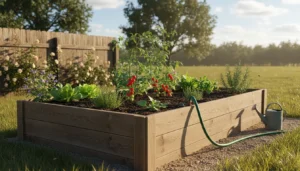
Use succession planting to extend harvest: sow small amounts of fast crops every 2–3 weeks.
Simple planting schedule
- Early spring: peas, radishes, spinach
- After last frost: tomatoes, peppers, beans
- Late summer: fall lettuces, kale, root vegetables
Watering and care after you start a vegetable garden
Consistent watering matters more than frequent shallow watering. Aim for deep, infrequent watering to encourage healthy roots.
Mulch around plants to reduce evaporation and suppress weeds. Pull weeds early before they set seed.
Pest and disease basics
- Inspect plants weekly for pests and symptoms.
- Remove damaged leaves and dispose of them away from the garden.
- Use row covers for early season protection from insects.
- Rotate crops yearly to reduce soil-borne diseases.
Harvesting and storage
Harvest crops at peak ripeness for best flavor. Pick leafy greens young for tenderness and tomatoes when fully colored.
Store produce properly: cool, dry storage for root vegetables, refrigerated for greens and herbs.
Growing your own vegetables can reduce grocery bills and cut food miles by hundreds of miles annually for a typical household.
Small case study: Sarah’s first season
Sarah started a 10×10 foot vegetable bed in spring. She followed simple steps: chose a sunny site, added compost, and planted tomatoes, lettuce, and beans.
By fall she harvested about 60 pounds of produce, reduced grocery spending on vegetables by roughly $25 per month, and reported learning to manage pests with handpicking and row covers.
Common mistakes to avoid when you start a vegetable garden
- Planting too many different crops at once — start small and expand.
- Ignoring soil health — good soil saves time later.
- Overwatering — leads to root rot and weak plants.
- Skipping regular weeding and monitoring for pests.
Final checklist to start a vegetable garden
- Pick a sunny, well-drained site near water.
- Test and amend soil with compost and fertilizer as needed.
- Choose beginner crops and plan a simple layout.
- Water deeply, mulch, and check plants weekly.
- Harvest regularly and store produce correctly.
Starting a vegetable garden is a step-by-step process. Follow these practical tips, learn from small successes, and expand as your confidence grows. With basic care and attention, you can enjoy fresh vegetables from your own yard season after season.