
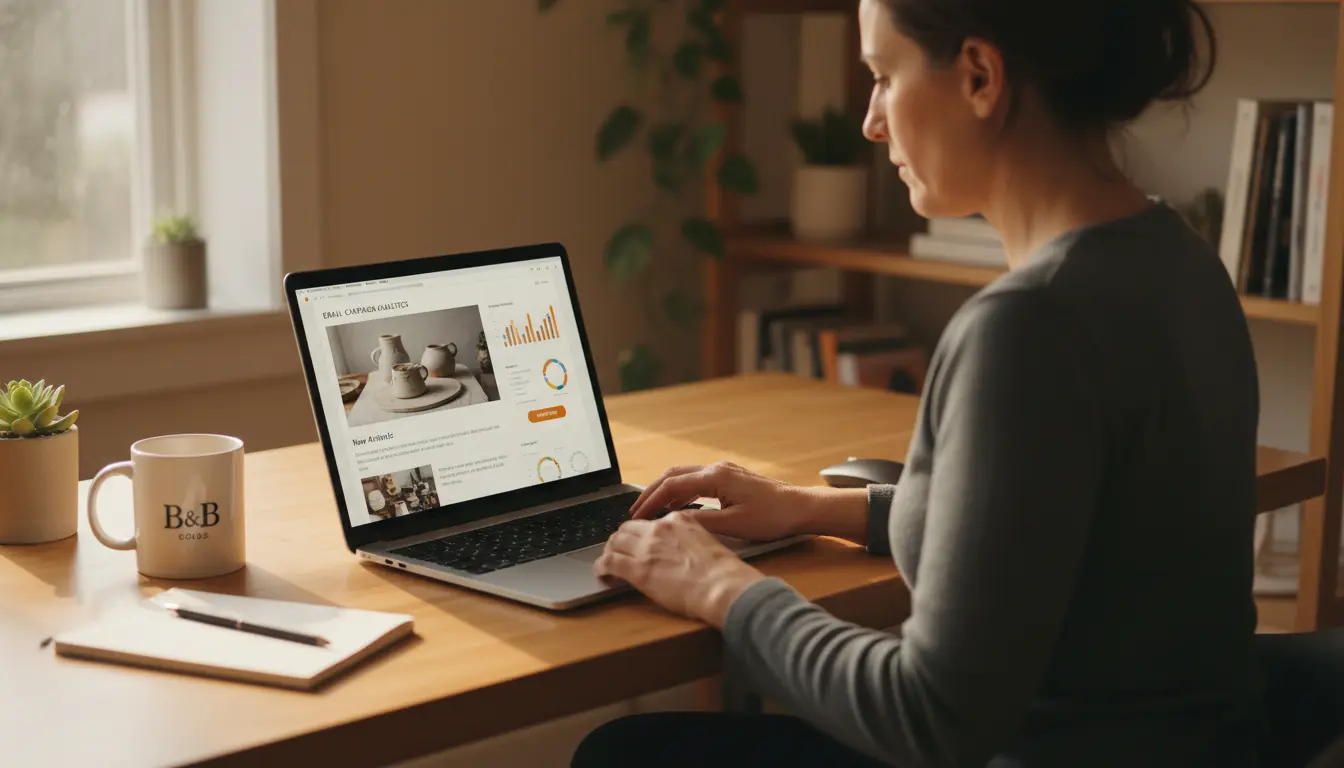
Well-planned email newsletters are one of the most cost-effective ways for small businesses to keep customers engaged. This guide covers actionable email newsletter best practices you can apply today.
Email Newsletter Best Practices: Planning Your Strategy
Start by defining clear goals for your newsletter. Common goals include driving sales, increasing website visits, or building brand trust.
Next, identify and segment your audience so messages match reader needs. Segmentation improves relevance and opens the door to personalization.
Define goals and audience
- Set measurable KPIs: open rate, click rate, conversion rate.
- Segment by behavior, purchase history, or sign-up source.
- Create separate flows for prospects, active customers, and lapsed buyers.
Email Newsletter Best Practices: Content and Design
Your content should solve a reader problem or deliver a clear benefit. Every newsletter needs a single primary call to action to avoid confusion.
Design for scannability: short paragraphs, subheads, and clear buttons. Use a consistent template so readers recognize your messages at a glance.
Subject lines and preview text
Subject lines determine whether recipients open your email. Keep them concise and specific, and avoid spammy language.
- Use 35–60 characters for desktop-friendly subject lines.
- Include value or urgency when relevant, without exaggeration.
- Preview text should complement the subject line and add context.
Subject line examples:
- Weekly: New Spring Menu and 10% Off for Subscribers
- Informational: How to Care for Your Leather Bag
- Personalized: Maria, Your Guide to Easy Meal Prep
Content types that work
Mix content to keep readers interested. Useful formats include how-tos, product highlights, customer stories, and curated links.
Keep promotional content balanced with helpful information. A common ratio is 80% value, 20% promotion to maintain trust.
Email Newsletter Best Practices: Deliverability and Metrics
High deliverability starts with permission-based lists and good hygiene. Remove inactive addresses and handle bounces quickly.
Authenticate your domain with SPF, DKIM, and DMARC to reduce spam folder placement. Use a reputable email service provider that enforces best practices.
Key metrics to track
- Open rate: measures subject line effectiveness and list health.
- Click-through rate (CTR): shows content relevance and CTA clarity.
- Conversion rate: tracks the ultimate goal, like purchases or sign-ups.
- Unsubscribe rate and spam complaints: signals content or frequency problems.
A/B testing helps improve results. Test one variable at a time: subject line, send time, or CTA wording. Use results to refine future campaigns.
Small Case Study: Local Bakery Increased Sales
A neighborhood bakery used these email newsletter best practices to increase weekday sales by 15% in three months. They segmented subscribers into locals and out-of-towners.
The bakery sent a twice-weekly newsletter focused on seasonal items, a single clear CTA for preorder, and mobile-optimized templates. Subject lines highlighted freshness and limited-time items.
The result was higher open and click rates, and measurable uplift in morning preorders from loyal subscribers.
Including the recipient’s first name in subject lines or preview text can increase open rates by 5 to 10% when used sparingly and appropriately.
Quick Checklist: Email Newsletter Best Practices
- Define goals and segment your list
- Write clear subject lines and preview text
- Use a single primary CTA per email
- Optimize for mobile with short paragraphs and buttons
- Authenticate your sending domain (SPF, DKIM, DMARC)
- Clean your list regularly and suppress inactive users
- Run A/B tests and track open, click, and conversion rates
Implementing these email newsletter best practices consistently will improve engagement and make each campaign more effective. Start small, measure results, and iterate to build a dependable email channel for your business.