
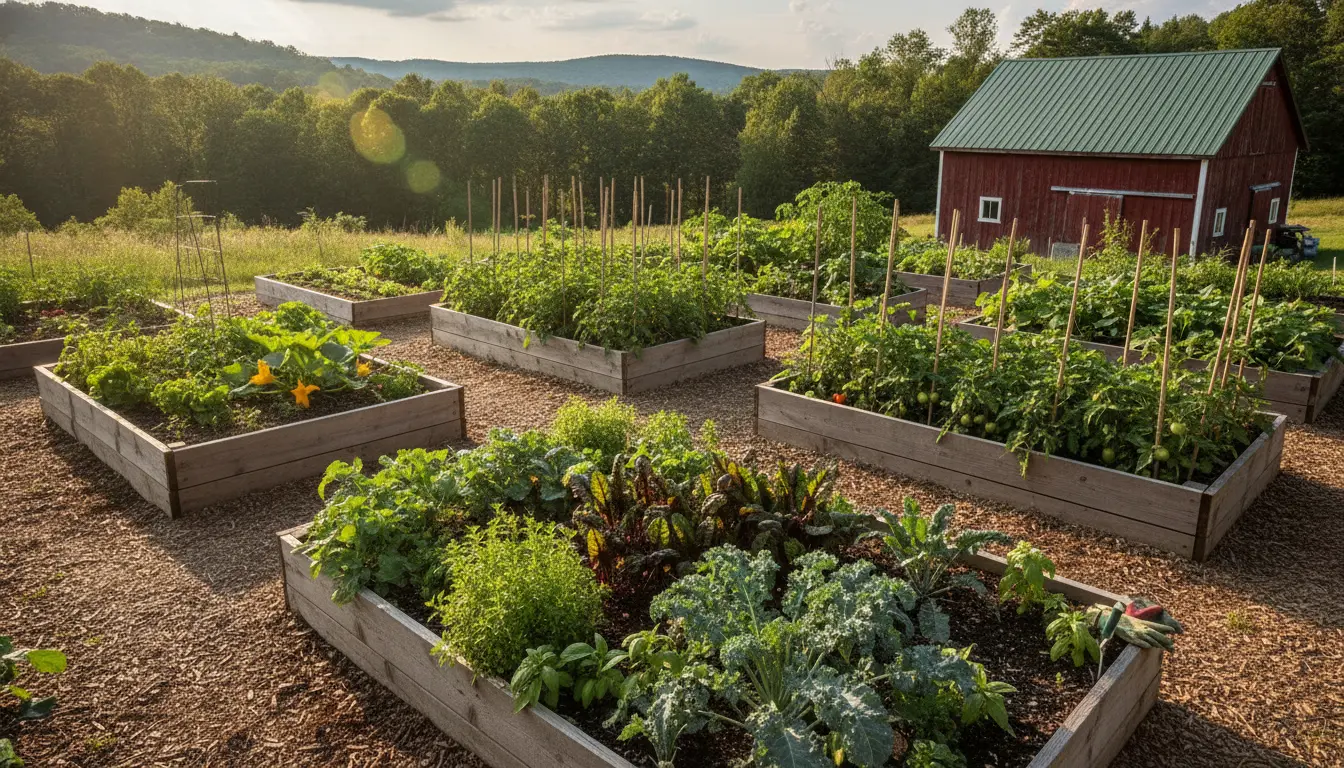
Why Choose Raised Bed Gardening for Beginners
Raised bed gardening is a practical option for new gardeners who want controlled soil, better drainage, and easier access. Beds warm faster in spring and reduce compaction from walking on the soil.
These benefits make raised bed garden systems especially useful in small yards, patios, or areas with poor native soil.
Planning Your Raised Bed Garden
Start by choosing a sunny location that gets at least 6 hours of direct sunlight daily. Consider access for watering and harvesting, and leave room to walk around the bed.
Decide on the bed size based on reachability. A common width is 4 feet so you can reach the center from either side without stepping into the bed.
Materials and tools for building a raised bed
- Lumber (cedar or rot-resistant), concrete blocks, or recycled composite boards
- Landscape fabric (optional) to suppress weeds
- Screws, brackets, and a drill
- Garden soil components and a shovel
Building the Raised Bed
Choose a height of 12–18 inches for most vegetables; 24 inches or more is better for deeper-rooted plants or for gardeners who need to avoid bending.

Level the ground where the bed will sit. Assemble the frame, secure corners, and place it on the prepared area. If drainage is a concern, lift the bed with a coarse base of gravel or broken pots.
Bed dimensions and spacing
Common bed sizes: 4 x 8 feet, 3 x 6 feet, or square beds 4 x 4 feet. Leave 2–3 feet paths between beds for easy movement and wheelbarrow access.
Soil Mix for Raised Bed Gardening
Good soil is the most important ingredient. A reliable mix starts with a base of topsoil blended with compost and a light organic component to improve texture.
- 40% topsoil
- 40% compost (well-rotted)
- 20% aeration material (coconut coir, peat alternative, or coarse sand)
Mix components thoroughly before filling the bed. Aim for a crumbly texture that holds moisture but drains well.
Planting in a Raised Bed Garden
Plan the planting layout to maximize space and companion planting benefits. Taller crops like tomatoes should be on the north side so they do not shade smaller plants.
Use square-foot gardening principles to organize beds efficiently. For example, plant 1 tomato per 4 sq ft, or 16 lettuce in the same area depending on variety.
Watering strategy for raised beds
Raised beds can dry faster than in-ground gardens. Water deeply and less frequently to encourage strong roots. Install drip irrigation or soaker hoses for consistent moisture.
Maintenance and Seasonal Care
Regular tasks include weeding, mulching, and adding compost each season. Mulch conserves moisture and suppresses weeds in a raised bed garden.
Rotate crops annually to reduce pest and disease pressure. Keep a simple planting calendar to track rotations and amendments.
Pest and disease tips
- Inspect plants weekly for signs of pests or disease.
- Use row covers to protect young plants from insects.
- Encourage beneficial insects by planting flowers like alyssum or marigold near beds.
Raised beds can extend your growing season by warming faster in spring, often allowing planting 1–3 weeks earlier than traditional in-ground plots.
Case Study: Small Backyard Tomato Success
Maria had poor clay soil and limited space in her urban backyard. She built a 4 x 8 foot raised bed using cedar and filled it with topsoil, compost, and coconut coir.
By planting determinate tomatoes with companion basil and installing a simple drip line, she harvested consistent fruit from June through October. The raised bed reduced soil compaction and improved drainage, solving her previous problems with root rot.
Simple Weekly Checklist for Raised Bed Gardening
- Water deeply 2–3 times a week depending on weather
- Check for pests and remove damaged leaves
- Add a thin layer of compost or mulch as needed
- Support vining plants with stakes or cages early
Common Mistakes to Avoid in Raised Bed Gardening
Don’t overfill with only compost; that can compact and lose structure. Avoid narrow beds that make reaching plants difficult. Finally, monitor moisture—raised beds can dry out quickly in hot weather.
Conclusion: Start Small and Learn
Raised bed gardening for beginners is about starting small, learning your microclimate, and improving soil over time. With basic planning, a good soil mix, and regular maintenance you can get reliable yields in a compact space.
Begin with one or two beds, keep a simple journal, and adjust plant choices based on what grows best in your area.