
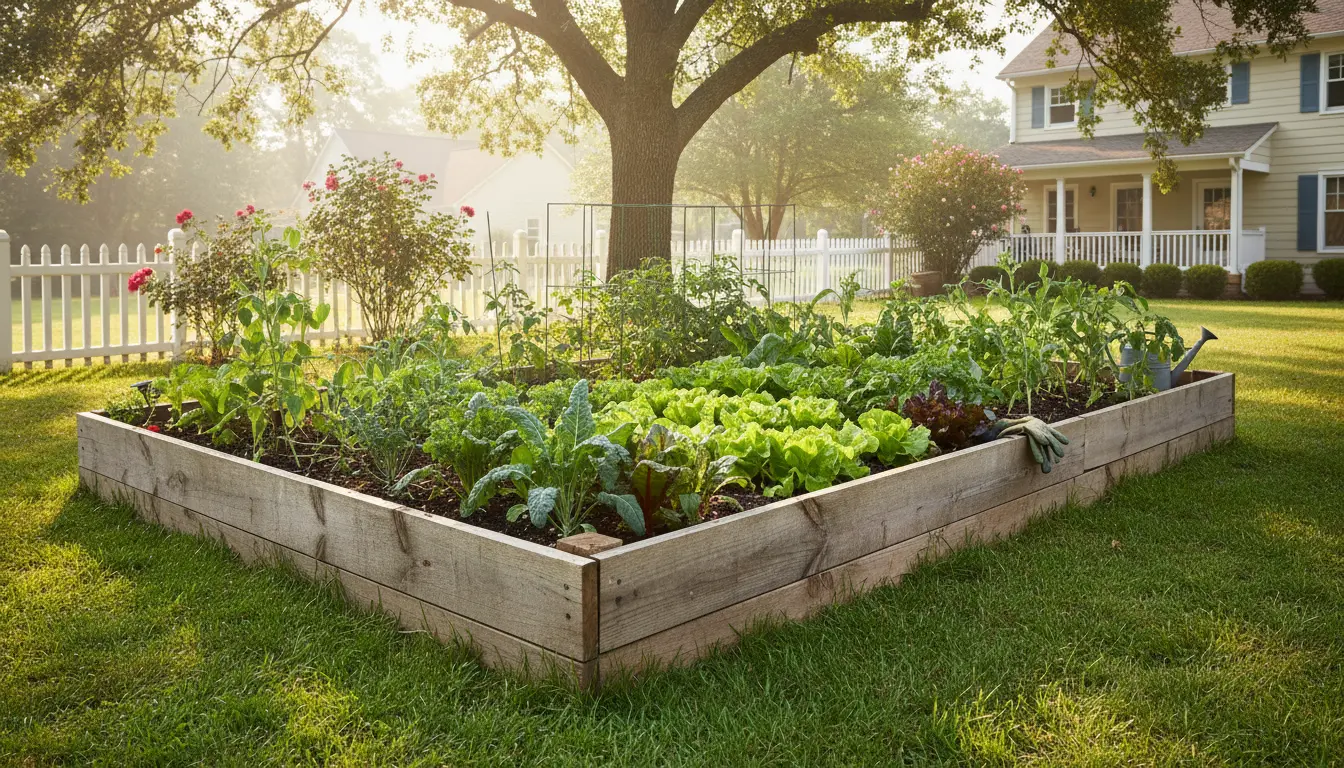
Starting a vegetable garden is a practical way to grow fresh food, save money, and enjoy time outdoors. This guide explains clear steps to help beginners plan, plant, and maintain a productive garden.
Why start a vegetable garden
Growing your own vegetables gives control over what you eat and how it is grown. It also reduces food miles and can be a therapeutic hobby for all ages.
How to start a vegetable garden: Plan your space
Choose a site with at least 6 hours of direct sunlight each day. Most vegetables need full sun to produce well.
Decide on a planting method: in-ground beds, raised beds, or containers. Each method has different soil and watering needs.
Choose the right vegetables
Select vegetables suited to your climate and season. Beginners should start with easy crops like lettuce, radishes, tomatoes, and beans.
- Lettuce and salad greens: Fast growing and forgiving.
- Radishes: Mature in 3–4 weeks and show quick success.
- Tomatoes: Require staking but reward with high yields.
- Beans: Low maintenance and fix nitrogen in soil.
How to start a vegetable garden: Prepare the soil
Healthy soil is the foundation of a productive garden. Test soil pH if possible; most vegetables prefer pH 6.0–7.0.
Improve soil by adding organic matter such as compost or well-rotted manure. Good soil holds moisture and drains well.
Soil preparation steps
- Clear weeds and debris from the area.
- Loosen soil to a depth of 8–12 inches using a fork or tiller.
- Mix in 2–4 inches of compost and rake level.
- Form raised rows or beds for better drainage if needed.
How to start a vegetable garden: Planting and spacing
Follow seed packet or plant label spacing recommendations. Overcrowding reduces air flow and increases disease risk.
Plant in succession for continuous harvests. For example, sow lettuce every 2–3 weeks.
Planting tips
- Direct sow root crops like carrots and radishes where they will grow.
- Start tomatoes and peppers indoors and transplant after the last frost.
- Use companion planting: basil near tomatoes can help flavor and attract beneficial insects.
How to start a vegetable garden: Watering and maintenance
Water consistently, aiming for deep, infrequent watering rather than daily shallow water. This promotes strong roots.
Mulch around plants to retain moisture, suppress weeds, and moderate soil temperature.
Pest and disease management
Inspect plants weekly for pests and signs of disease. Remove affected leaves and use targeted controls when needed.
- Hand-pick larger pests like caterpillars and beetles.
- Use row covers to protect young plants from insects.
- Practice crop rotation each season to reduce soil-borne diseases.
How to start a vegetable garden: Harvesting and storage
Harvest vegetables when they are ripe and at peak flavor. Regular harvesting often encourages more production.
Store harvests properly: cool leafy greens, dry beans fully, and refrigerate tomatoes after they ripen for short-term storage.
Tools and supplies to start a vegetable garden
Keep a basic set of tools to reduce frustration and speed tasks. Start small and add tools as needed.
- Hand trowel and fork for planting and weeding
- Watering can or hose with a gentle nozzle
- Compost or organic amendments
- Mulch, stakes, and twine for support
Did You Know?
Planting marigolds near vegetable beds can help deter some pests and attract pollinators. Marigolds release compounds that repel nematodes and attract beneficial insects.
Small case study: Urban balcony to dinner plate
Maria had a 6 x 4 foot balcony and decided to start a vegetable garden in containers. She chose cherry tomatoes, basil, leaf lettuce, and peppers.
By following a simple watering schedule, using high-quality potting mix, and rotating crops every season, Maria harvested fresh salad greens weekly and enough tomatoes to make sauces for her family. Her initial investment paid off within months in saved grocery costs and meals made from homegrown produce.
Checklist to start a vegetable garden
- Pick a sunny site with good drainage
- Test and amend soil with compost
- Choose beginner-friendly vegetables
- Plant with correct spacing and depth
- Water deeply, mulch, and monitor pests
- Harvest regularly and store properly
Final tips for beginners
Start small to learn best practices without being overwhelmed. Keep a simple garden journal to track planting dates, varieties, and harvests.
Experiment and learn from each season. Even small successes build knowledge and confidence for larger gardens in the future.