
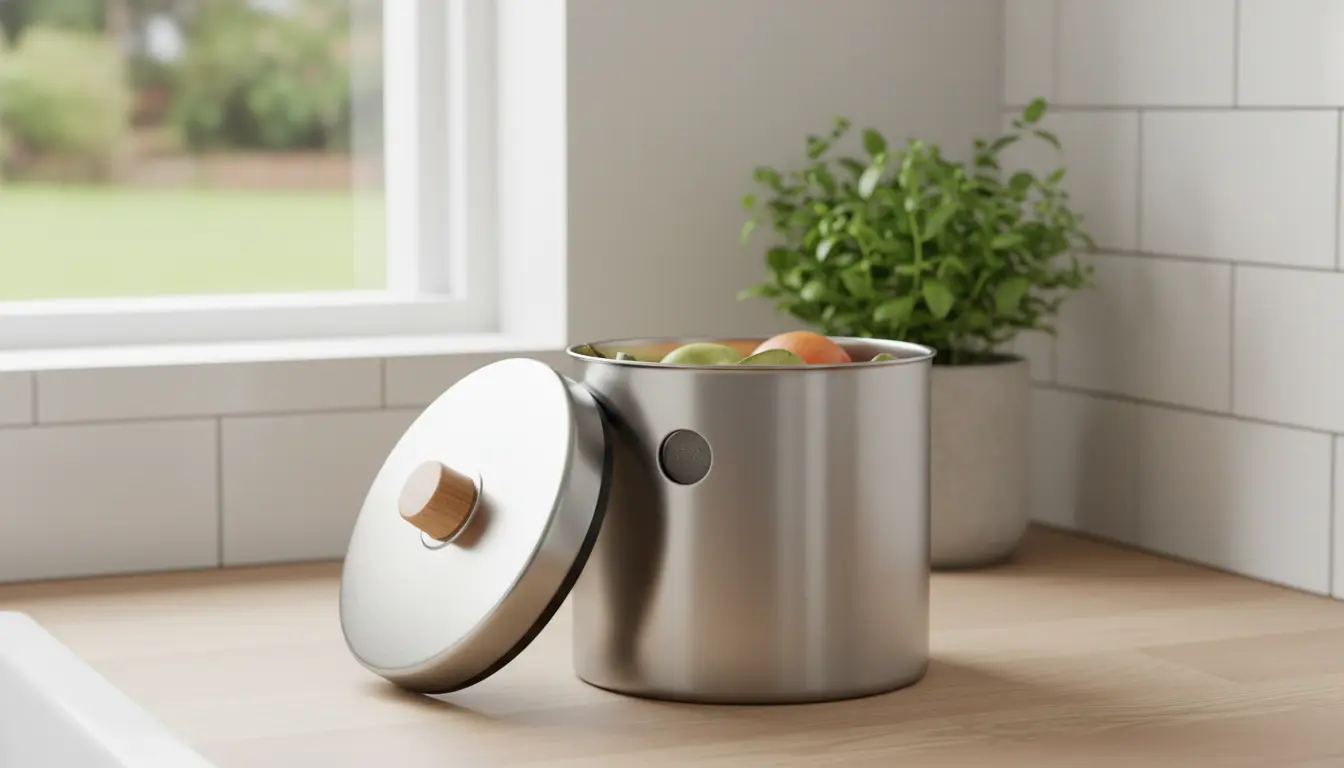
Start Composting at Home Today
Home composting turns everyday organic waste into valuable soil for gardens and pots. This guide gives clear steps, simple methods, and troubleshooting tips so beginners can get reliable results.
What Is Home Composting?
Home composting is the controlled breakdown of organic material into nutrient-rich humus. It uses microbes, air, moisture, and the right mix of materials to convert kitchen scraps and yard waste into usable compost.
Why Choose Home Composting
Composting reduces household waste and improves soil structure and fertility. It is low cost and can cut garbage volume while supporting healthy plants.
Choose a Method for Home Composting
Select a composting method that fits your space, time, and goals. Common options include outdoor bins, tumblers, and indoor worm bins for smaller living spaces.
Backyard Bin
A simple stationary bin works well for yards and gardens. It requires turning with a pitchfork and space for heat and air flow.
Compost Tumbler
Rotating tumblers speed up mixing and make turning easier for many homes. They are tidy and reduce pest access but cost more than DIY bins.
Worm Bin (Vermicomposting)
Worm bins are ideal for kitchens or apartments and process food scraps quickly. They produce worm castings that are very rich in nutrients for potting mixes.
Materials You Need for Home Composting
- Green materials: fruit and vegetable scraps, coffee grounds, grass clippings.
- Brown materials: dry leaves, shredded paper, cardboard, small twigs.
- Basic tools: a bin or tumbler, a garden fork or tumbling handle, and a watering can or hose.
Step-by-Step Home Composting Process
Follow these steps to build an active compost pile or bin. Each step is short and repeatable until compost is mature.
- 1. Location: Place the bin on soil or a stable surface with some shade to prevent drying out.
- 2. Layering: Start with a 3-4 inch layer of browns, then add greens in 2-3 inch layers. Aim for a loose 3:1 ratio of browns to greens by volume.
- 3. Moisture: Keep the pile as damp as a wrung-out sponge. Add water during dry spells and cover if heavy rain is expected.
- 4. Aeration: Turn or mix the pile every 1-2 weeks to add oxygen and speed decomposition.
- 5. Temperature: A warm pile (120-140°F or 50-60°C) breaks down materials faster, but low-temperature piles still work over more time.
- 6. Harvest: Compost is ready when it is dark, crumbly, and smells earthy. Sift and use as soil amendment.
Common Problems and Quick Fixes in Home Composting
Beginner composters often run into a few predictable issues. Most have simple, quick solutions.
Bad Odor
Smells mean the pile is too wet or has too many greens. Add dry browns and turn the pile to reintroduce air.
Pests and Fruit Flies
Use a closed bin or bury kitchen scraps in the pile to reduce fruit fly activity. Keep meat and dairy out of home composters unless using a hot, managed system.
Slow Decomposition
Break larger pieces into small bits and increase green materials for nitrogen. Turning more often raises temperature and speeds processing.
Maintenance Schedule for Home Composting
- Daily: Add kitchen scraps and cover fresh greens with browns.
- Weekly: Turn or tumble the pile and check moisture levels.
- Monthly: Monitor progress and adjust brown/green balance as needed.
Small Case Study: Family Kitchen to Garden in Six Months
Example: A family of four started a 3 x 3 ft backyard bin. They collected all vegetable scraps and yard waste and added shredded cardboard weekly.
After six months of weekly turning and moisture control, they produced about 2 cubic feet of rich compost. Their garden beds retained more moisture and produced 25 percent more tomatoes the following season.
Using Your Finished Home Compost
Apply finished compost as a top dressing, mix it into potting soil, or work it into garden beds. A 1-3 inch layer around plants improves soil health and moisture retention.
Safety and What Not to Compost
Avoid composting meat, dairy, grease, and pet waste in basic home bins because they attract pests and pathogens. Also keep invasive weeds and diseased plant material out unless your pile gets very hot.
Final Tips for Successful Home Composting
- Chop or shred materials to speed breakdown.
- Maintain the brown to green balance for aerobic decomposition.
- Record progress and adjust your routine to local climate and materials.
With a simple bin, a basic mix of materials, and a short maintenance routine, home composting is easy to start and rewarding to maintain. Begin with small, regular efforts and expand as you get comfortable with the process.