
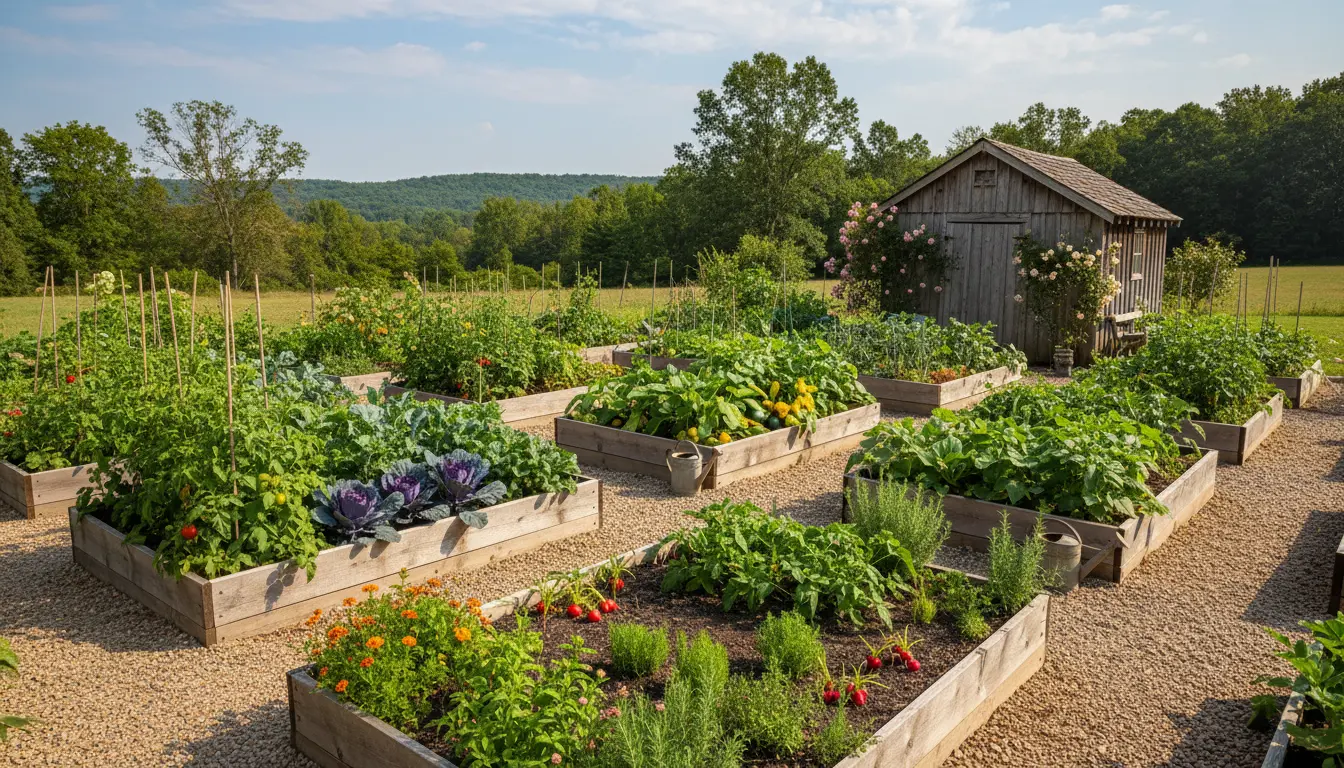
Starting a vegetable garden is straightforward when you break the work into clear steps. This guide explains how to start a vegetable garden from planning through first harvest, using practical tips and short, actionable steps.
How to Start a Vegetable Garden: Plan Before You Plant
Good planning saves time and improves yields. Begin by deciding what you want to grow and how much space you can use.
- List vegetables your household eats regularly.
- Choose easy first crops: tomatoes, lettuce, radishes, beans, and herbs.
- Decide on bed type: in-ground, raised beds, or containers.
Start a Vegetable Garden: Pick the Right Location
Sunlight is the most important factor. Most vegetables need 6–8 hours of direct sun each day.
Also consider access to water, wind protection, and proximity to your kitchen for easy harvesting.
Prepare Soil and Beds to Start a Vegetable Garden
Healthy soil is the foundation of a productive garden. Test and improve soil before planting.
- Get a simple home soil test kit or send a sample to a local extension service.
- Amend heavy clay with compost and coarse sand for better drainage.
- Mix 2–4 inches of compost into the top 6–12 inches of soil for raised beds.
Start a Vegetable Garden: Choose Raised Beds or Containers
Raised beds warm faster and drain better, making them ideal for many beginners. Containers work well on patios and balconies.
Keep bed width to 3–4 feet so you can reach the center from both sides without stepping on soil.
Planting: When and What to Plant
Timing depends on local climate. Check your last frost date and plant accordingly.
- Cool-season crops (lettuce, spinach, peas) go in early spring or late summer.
- Warm-season crops (tomatoes, peppers, beans) go after the last frost.
- Start seeds indoors if you need an earlier start for certain varieties.
Start a Vegetable Garden: Companion Planting and Spacing
Companion planting can reduce pests and make better use of space. For example, plant basil near tomatoes to improve flavor and deter pests.
Follow seed packet spacing guidance and thin seedlings to avoid crowding.
Watering, Mulching, and Feeding
Consistent watering is key. Most vegetables prefer 1–1.5 inches of water per week, delivered deeply and less often rather than light daily watering.
- Use soaker hoses or drip irrigation to reduce disease and waste.
- Mulch with straw, shredded leaves, or wood chips to retain moisture and suppress weeds.
- Feed with a balanced organic fertilizer or compost tea at key growth stages.
Start a Vegetable Garden: Common Maintenance Tasks
Regular tasks include weeding, checking for pests, and supporting tall plants like tomatoes with stakes or cages.
Prune only as needed and remove diseased foliage promptly to prevent spread.
Pest and Disease Management
Preventive steps are more effective than reactive ones. Maintain healthy soil, rotate crops yearly, and avoid overhead watering to reduce fungal diseases.
- Inspect plants weekly for signs of pests like aphids, caterpillars, or beetles.
- Use hand-picking, insecticidal soap, or row covers for control before pests multiply.
- Encourage beneficial insects with flowering herbs and companion plants.
Start a Vegetable Garden: Organic Options
Organic controls include neem oil, diatomaceous earth, and Bacillus thuringiensis (Bt) for caterpillars. Use these selectively and follow label directions.
Harvesting and Storage
Harvest promptly when vegetables reach maturity to encourage more production. Many crops produce continuously if picked regularly.
- Leafy greens: harvest outer leaves; new growth will continue.
- Tomatoes: pick at full color but slightly firm for best storage.
- Beans and peas: harvest frequently to keep plants producing.
Start a Vegetable Garden: Saving Seeds
Consider saving seeds from open-pollinated varieties for next season. Dry seeds fully and store in a cool, dark place in labeled envelopes.
Small Real-World Example
Case study: A family of four converted two 4×8 raised beds and a few containers on a sunny balcony. They planted tomatoes, bush beans, lettuce, and herbs. In the first season they produced enough salad greens and herbs to reduce grocery purchases by 30% and saved $120 in produce costs. Their main challenges were timely watering and early flea beetles, solved by installing drip tubing and using row covers for seedlings.
Simple Troubleshooting and Tips
If seedlings look leggy, they need more light. Yellow lower leaves often point to nitrogen deficiency or overwatering.
Rotate crops each year to prevent soil-borne diseases and balance nutrient use.
Final Checklist to Start a Vegetable Garden
- Choose location with 6–8 hours sun
- Test and amend soil with compost
- Select easy crops and plant at the right time
- Set up watering (soaker hose or drip)
- Mulch, monitor pests, and harvest regularly
Starting a vegetable garden is a repeatable, seasonal process. Try one small bed first, learn from the season, and expand as you gain confidence. With planning and simple maintenance, anyone can grow fresh vegetables at home.