
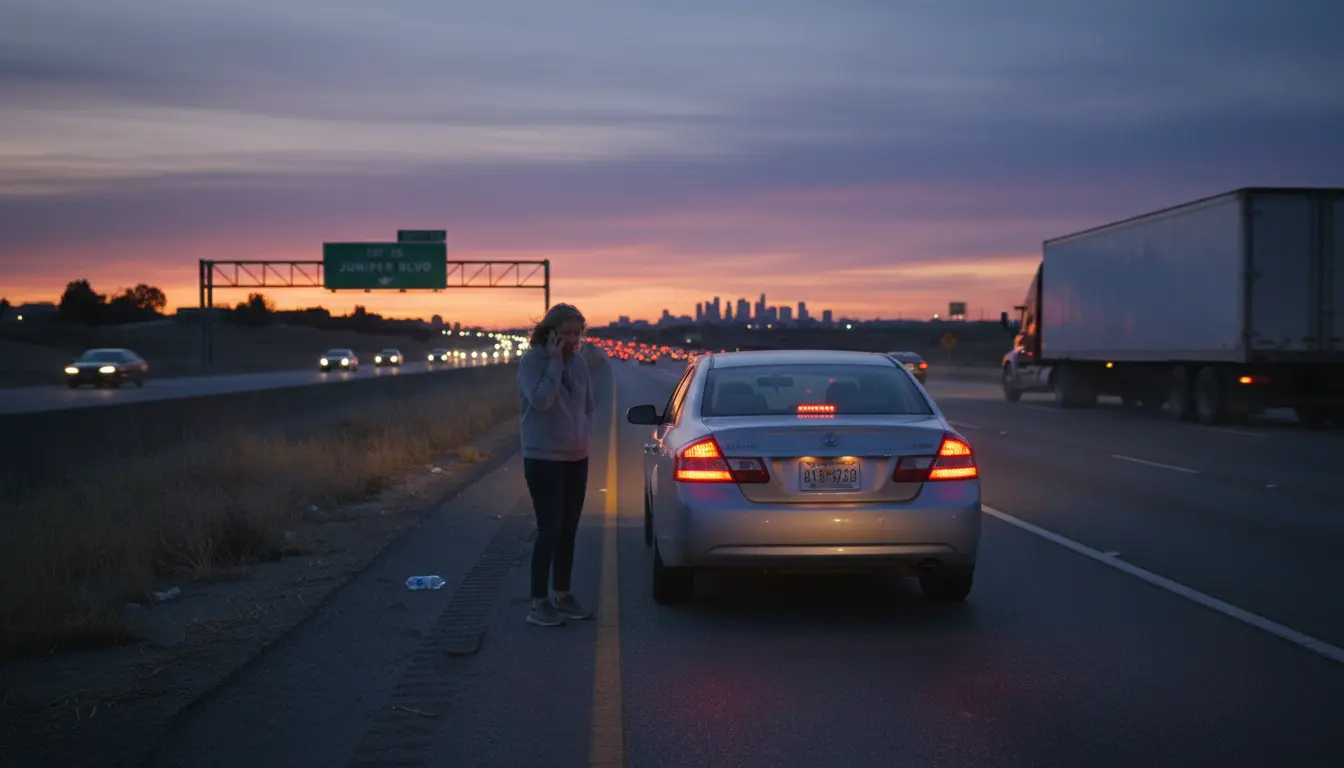
The New February Driving Law 2026 changes rules that affect drivers across the United States. This article explains the new requirements, the fines and possible jail time, and practical steps you can take to avoid penalties.
What the New February Driving Law 2026 does
The law updates enforcement priorities and adds new criminal penalties for specific driving behaviors. It focuses on repeat offenders, certain distracted driving actions, and violations around commercial and school zones.
State implementations vary, so federal guidance sets minimum standards and states adapt enforcement and fine levels within that framework.
Key provisions of the New February Driving Law 2026
- Increased fines for repeat distracted driving violations.
- Criminal penalties, including potential jail time, for repeated reckless driving or knowingly disabling safety systems.
- Mandatory reporting for accidents involving school zones or commercial vehicles.
- New electronic monitoring provisions for high-risk drivers in select states.
Who is affected by the New February Driving Law 2026
All licensed drivers in the U.S. can be affected, but the law targets specific high-risk groups. These include repeat offenders, drivers of commercial vehicles, and people who disable vehicle safety features.
Young drivers and those with prior convictions for distracted or reckless driving should pay particular attention to the updated penalties.
Practical examples of affected drivers
Examples include a commuter who repeatedly texts while driving, a delivery driver with multiple moving violations, and a driver who removes a vehicle’s automated braking system. These behaviors may now trigger higher fines or criminal charges under the law.
Fines and jail time under the New February Driving Law 2026
The law sets tiered penalties that escalate with repeated violations. Below are general ranges; states will publish exact amounts and jail thresholds.
Typical penalty structure
- First offense: civil fines, driver education, possible license points.
- Second offense within three years: larger fines, community service, mandatory safety tech installation in some jurisdictions.
- Third or subsequent offense: substantial fines and possible short-term jail sentences (often up to 30 days) or longer depending on severity.
Criminal charges are more likely when violations cause serious injury, involve intentional tampering with safety devices, or occur in protected areas like school zones.
How to avoid fines and jail time
Adopting safer driving habits is the most reliable way to avoid penalties. Follow the updated rules and take practical steps to reduce risk.
Checklist to stay compliant
- Stop all hand-held phone use while driving; use hands-free systems only where allowed.
- Maintain all factory safety systems—do not disable airbags, cameras, or automatic braking.
- Keep license and insurance current and respond promptly to any traffic citations.
- Complete any court or state-ordered driver education or monitoring programs.
Reporting, monitoring, and enforcement changes
The law supports more consistent reporting between jurisdictions and allows states to use focused monitoring for high-risk drivers. This may include electronic monitoring devices in some repeat offender cases.
Expect increased data sharing between state DMVs and law enforcement to track violations and identify patterns quickly.
What to do if you are contacted under the new law
- Read all notices carefully and note response deadlines.
- Contact the issuing agency or a traffic attorney if the notice mentions criminal penalties.
- Complete required education or remediation programs promptly to reduce fines or mitigate penalties.
The New February Driving Law 2026 encourages states to offer alternatives to jail—like monitored driving programs or mandatory safety upgrades—especially for first-time repeat offenders.
Real-world example: A short case study
In one mid-size state, a delivery driver received two distracted driving citations within two years. After the second citation, the driver was enrolled in a state-mandated monitoring program and required to install an approved telematics device for six months.
The device tracked speed and phone use while driving. Because the driver completed the program and an approved safety course, the state reduced the fine and avoided a short jail term that would otherwise have applied under the new law.
Preparing now for the New February Driving Law 2026
Review your driving habits and vehicle systems now rather than waiting. Simple upgrades and behavior changes can prevent costly penalties and protect your license.
Action plan for drivers
- Check your state DMV website for local implementation details of the New February Driving Law 2026.
- Install or enable hands-free and safety systems and keep them active.
- Enroll in defensive driving or distracted driving courses if you have prior citations.
- Keep records of any compliance steps you take in case you need to show proof to authorities.
The New February Driving Law 2026 raises the stakes for unsafe driving but also provides clear paths to compliance. Staying informed and taking prompt, practical steps will help you avoid fines and jail time under the new rules.