
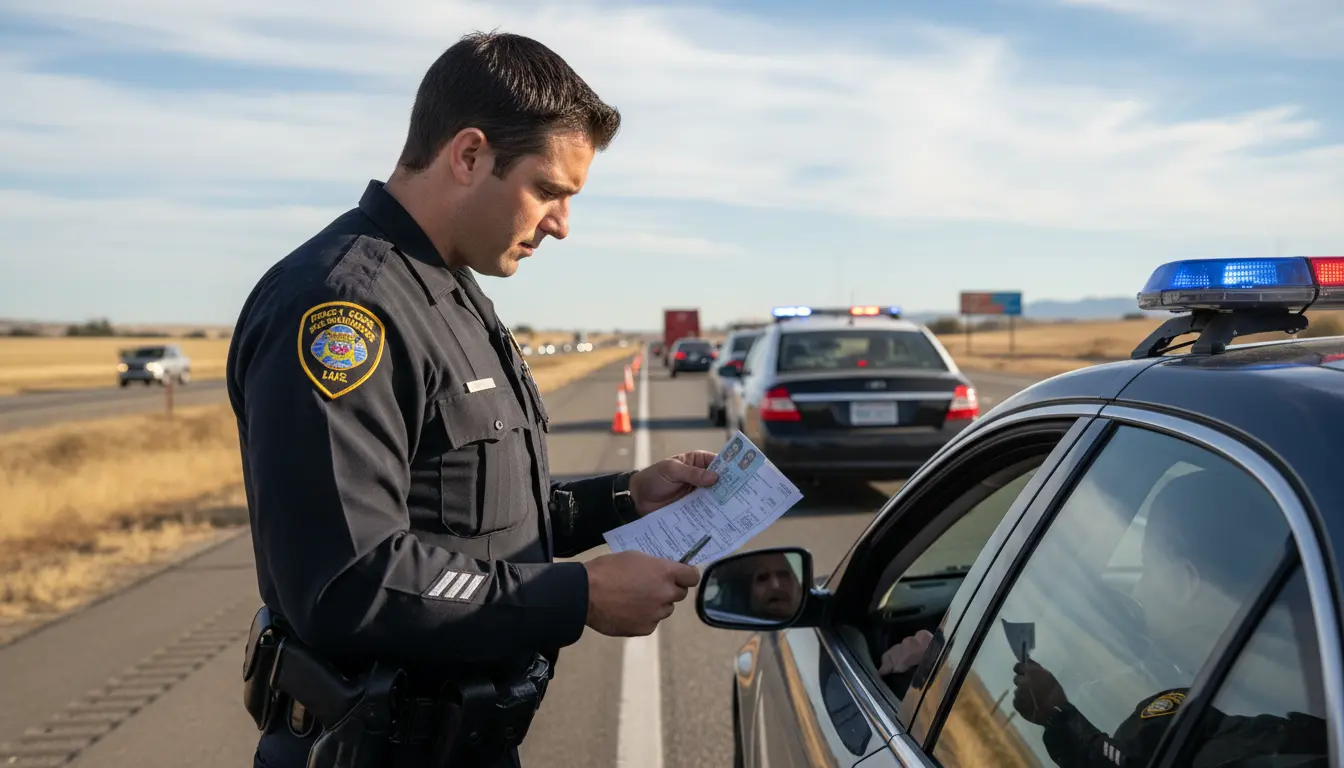
Overview of the New February Driving Law
The New February driving law now applies in all 50 states and updates safety and documentation rules for drivers. It targets specific behaviors and documentation gaps that previously led to inconsistent enforcement.
This article explains what the law requires, how to comply, and practical steps to avoid penalties up to $1,500 or potential jail time for repeat or severe violations.
What the New February Driving Law Requires
At its core, the law standardizes enforcement on two main areas: valid vehicle documentation and hands-free operation where specified. States adopted uniform minimums that officers will use during traffic stops.
Key requirements include carrying or presenting valid registration, proof of insurance, and a government-issued ID when requested. Many states also clarified rules for portable devices and distracted driving.
Who the Law Affects
All licensed drivers, including visitors and commercial drivers, must follow the updated rules. Noncompliance can trigger state-level fines or criminal charges when violations are aggravated.
How to Avoid $1,500 Fines or Jail Under the New Law
Most drivers will avoid severe penalties by taking straightforward steps before they drive. The strict fines and jail references apply mainly to repeated offenses or cases involving other crimes, like driving without a license or insurance after warnings.
Follow these practical actions to reduce risk:
- Keep current vehicle registration and proof of insurance in the vehicle or accessible electronically.
- Carry a valid driver license or state ID while driving.
- Use hands-free phone setups where the state requires them and never text while driving.
- Address any outstanding traffic warrants or unpaid fines promptly to avoid escalation.
Common Triggers for Heavy Penalties
Understand common triggers to prevent costly outcomes. Repeated offenses, refusing to provide ID, or driving uninsured after prior notices can elevate a ticket into a misdemeanor or cause vehicle impoundment.
Be honest and cooperative during stops. Refusing lawful requests can complicate the situation and increase the likelihood of higher fines or arrest.
Practical Steps to Be Compliant Today
Use this quick checklist to confirm you meet the new requirements before you get behind the wheel. These steps take minutes and can prevent major consequences.
- Verify your registration is current and matches the vehicle.
- Confirm active insurance meets state minimums; carry digital proof if allowed.
- Check your license expiration date and renew early if needed.
- Install a hands-free mount or pair your phone to the car if you need calls while driving.
- Resolve outstanding tickets or administrative holds with the local court or DMV.
Real-World Example: Case Study
Maria, a deliveries driver in a multi-state route, received a ticket last year after an officer found her registration expired. Under the new February law, that situation could have led to a larger fine because she had prior notices.
She applied these changes: renewed registration immediately, switched to electronic insurance proof, and installed a hands-free system. When stopped later for a minor equipment light, she presented documents and avoided fines. This shows how small administrative tasks prevent large penalties.
Several states accept digital proof of insurance on a mobile device. Check your state DMV rules to confirm whether electronic documents are allowed instead of paper copies.
What to Do If You Get a Ticket
If you receive a ticket under the new law, act quickly. Read the citation carefully for response instructions and deadlines. Ignoring it can trigger escalation into larger fines or arrest warrants.
Options usually include paying the fine, contesting the ticket in court, or attending traffic school where eligible. Consider the long-term costs: paying a smaller fine promptly is often cheaper than legal fees and increased insurance premiums.
When to Seek Legal Help
Consult an attorney if you face potential jail time, multiple prior violations, or if the citation includes criminal allegations like driving without a license. A lawyer can advise on local enforcement practices and possible defenses.
State Variations and Where to Check
Although the law sets a national baseline, each state implemented the rules slightly differently. Visit your state DMV or official website for exact language, permitted electronic documents, and fines.
Key resources include state DMV pages, official legislative summaries, and local police department guidance. Keep a bookmark to make it easy to confirm specific details when you travel between states.
Summary: Simple Habits Prevent Big Problems
The New February driving law affects all 50 states but mostly enforces common-sense practices. Keeping documents current, using hands-free phone systems where required, and addressing prior violations promptly will prevent most penalties.
Follow the checklist, know your state rules, and respond to citations quickly to avoid fines up to $1,500 or more severe consequences. Small preventive steps today save money and stress later.
If you need help finding your state rules, start at your state DMV website or contact a local attorney for specific legal advice.