
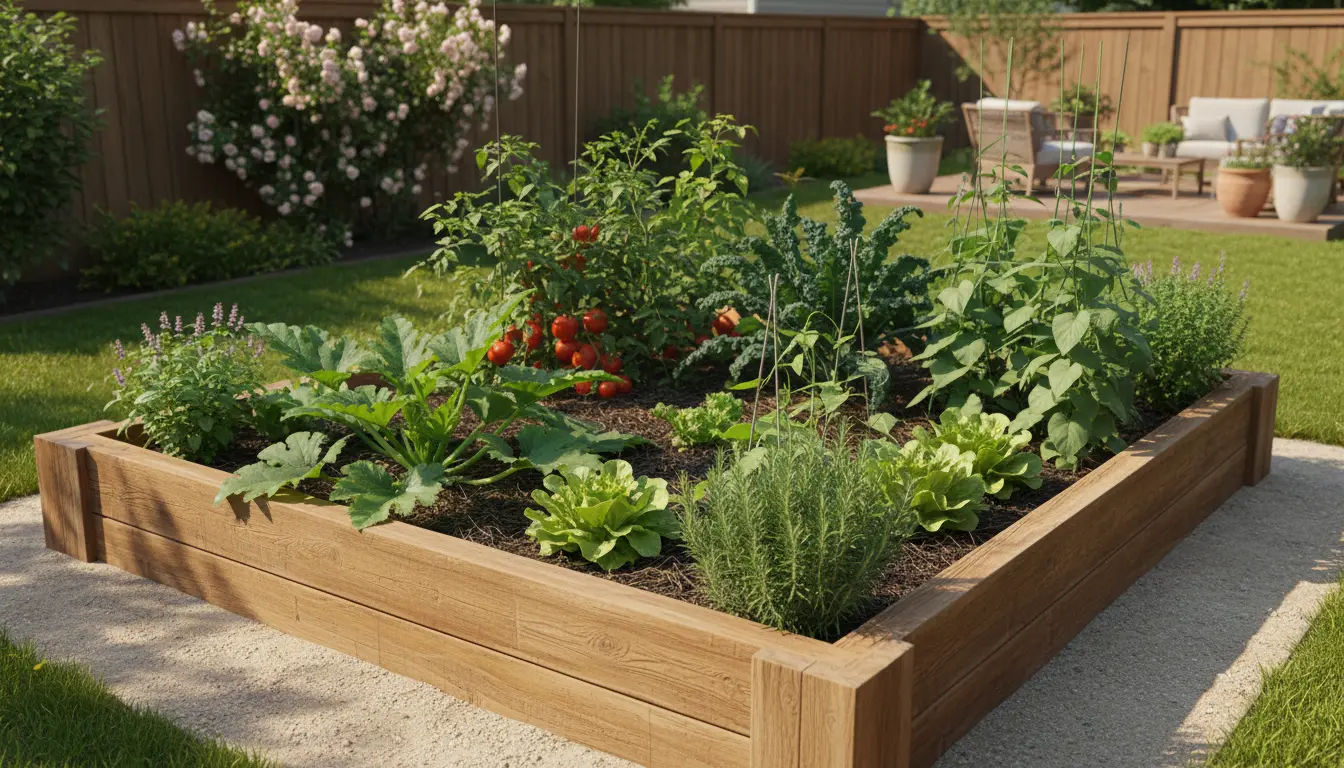
Vegetable Gardening for Beginners: Getting Started
Vegetable gardening for beginners can be simple when you focus on a few core steps. This guide gives clear, practical instructions to plan, prepare, plant, and maintain a productive small garden.
Choose a Site and Size
Pick a location that gets at least six hours of sun and has good drainage. For many beginners, a 4×8 foot raised bed or a few large containers is manageable and productive.
Basic Supplies for Vegetable Gardening for Beginners
Gather basic tools to make planting and maintenance easier. You do not need expensive equipment to succeed.
- Raised bed or containers
- Quality garden soil or mix
- Hand trowel and fork
- Watering can or hose with a gentle spray
- Mulch and compost
Soil and Amendments
Soil quality determines much of your success. For vegetable gardening for beginners, start with a loose, well-draining mix rich in organic matter.
Amend soil with compost and a balanced organic fertilizer. A simple test kit helps you check pH and nutrient levels before planting.
Planning What to Plant: Vegetable Gardening for Beginners
Choose easy, fast-growing crops to build confidence. Consider your climate, season length, and kitchen preferences.
- Cool-season: lettuce, spinach, radishes, peas
- Warm-season: tomatoes, peppers, beans, cucumbers
- Herbs: basil, parsley, chives
Crop Spacing and Succession Planting
Read seed packet spacing and use intensive spacing for small beds. Succession planting keeps a steady harvest—plant new rows every 2 to 3 weeks for quick crops like salad greens.
Planting Techniques for Vegetable Gardening for Beginners
Follow simple planting rules: sow at the recommended depth, water gently, and label rows. Direct sow root vegetables and many greens; start long-season crops indoors if needed.
Seed Starting Basics
Use clean seed trays and a sterile seed mix. Keep seeds moist and warm until they germinate, then move seedlings to brighter light to prevent legginess.
Watering, Mulch, and Fertilizer
Consistent moisture is key. Water deeply at the soil level to encourage strong roots and reduce disease risks.
- Water in the morning when possible
- Apply 2 to 3 inches of organic mulch to retain moisture
- Side-dress with compost or organic fertilizer mid-season
Pest and Disease Basics
Inspect plants weekly. Remove damaged leaves and use physical barriers like row covers for insect control. Companion planting can reduce pest pressure naturally.
Many common vegetables like radishes and lettuce mature in less than 60 days, making them ideal first crops for new gardeners.
Maintenance Schedule for Vegetable Gardening for Beginners
Create a simple weekly routine: check moisture, remove weeds, harvest ripe produce, and monitor for pests. A short 20–30 minute session most days prevents small problems from growing.
Harvesting Tips
Harvest often to encourage more production. Pick tomatoes when they are fully colored and firm, and harvest leafy greens when outer leaves reach usable size.
Simple Case Study: Small Raised Bed Success
Case: A beginner named Sara started a 4×8 raised bed in spring. She filled it with a 50/50 mix of compost and topsoil, planted tomatoes, lettuce, and bush beans, and mulched with straw.
Within three months Sara had weekly salad harvests and two tomato harvests. She repaired a watering problem by adding a soaker hose on a timer and improved yields by side-dressing with compost mid-season.
Lessons learned: start small, fix watering early, and add compost regularly to improve soil and yields.
Common Mistakes and How to Avoid Them
- Overwatering: let soil dry slightly between deep waterings
- Poor soil: mix compost and test pH early
- Planting too densely: follow spacing recommendations
- Neglecting pests: inspect regularly and act fast
Quick Seasonal Checklist for Vegetable Gardening for Beginners
- Spring: prepare beds, start seeds indoors, plant cool-season crops
- Summer: mulch, water deeply, stake tall plants
- Fall: plant cover crops, harvest remaining crops, add compost
Final Tips
Keep a simple journal with planting dates and harvest notes. Small adjustments over the first season lead to steady improvement.
Vegetable gardening for beginners rewards routine, patience, and small experiments. Start with a manageable plot, learn from each season, and expand as your confidence grows.