
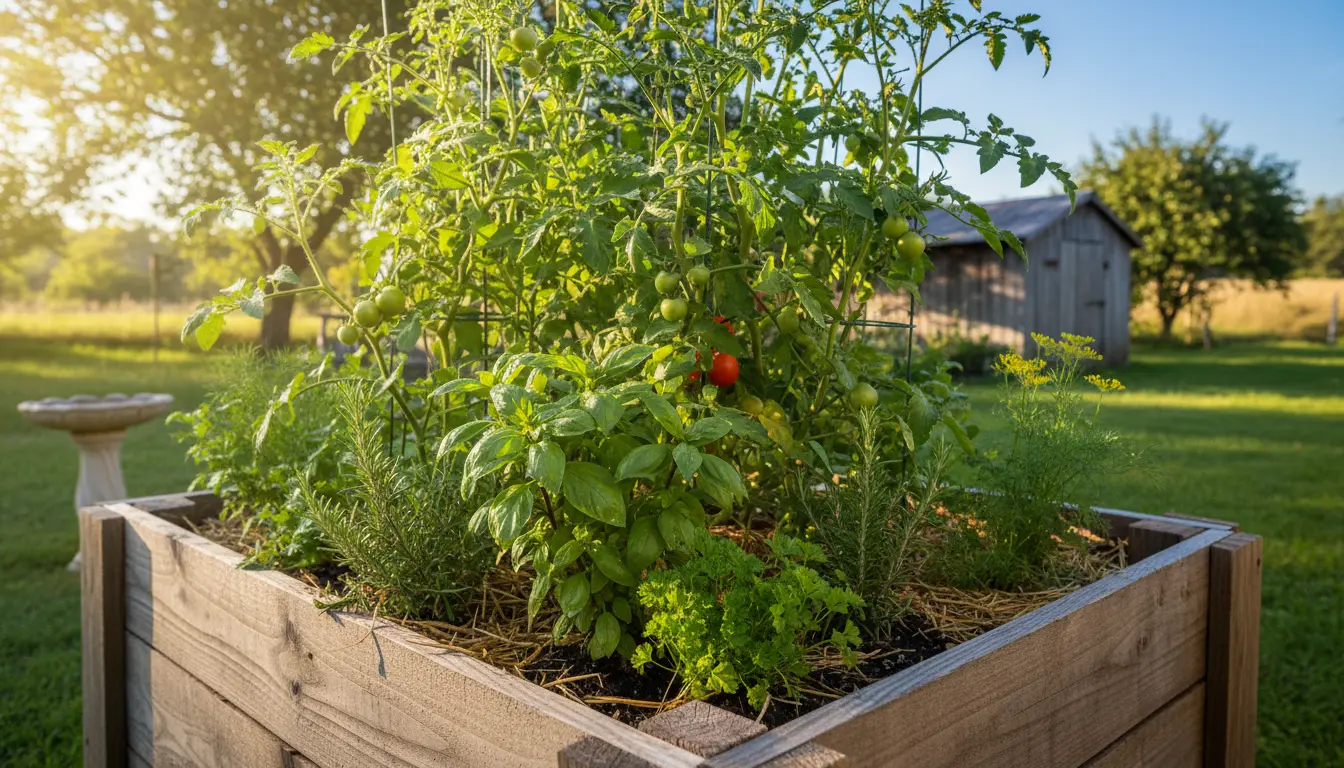
Why start a vegetable garden
Starting a vegetable garden saves money, improves food quality, and gives satisfaction from growing your own produce. This guide explains practical steps to set up and maintain a small productive garden at home.
Starting a Vegetable Garden: Planning Your Space
Good planning makes a garden easier to manage and more productive. Start by choosing a site with at least 6 hours of sun and easy access to water.
Decide on bed type: in-ground rows, raised beds, or containers. Raised beds warm faster in spring and often require less bending.
Starting a Vegetable Garden: How Much Space Do You Need
You can grow useful amounts even in a small area. A single 4×4 foot raised bed will support many salad greens, herbs, and a couple of tomato plants.
- Balcony/container: herbs, lettuce, cherry tomatoes
- Small yard (50–100 sq ft): tomatoes, peppers, beans, carrots
- Larger plots: corn, squash, potatoes
Starting a Vegetable Garden: Soil and Bed Preparation
Soil quality is the most important factor for success. Test your soil or assume you need to improve it with organic matter.
Mix compost into the top 6–12 inches of soil or fill raised beds with a blend of topsoil, compost, and coarse sand for drainage.
Starting a Vegetable Garden: Soil Tips
- Aim for loose, crumbly soil with plenty of organic matter.
- Use a basic soil test to check pH and nutrient levels.
- Correct pH slowly with lime (to raise) or sulfur (to lower) if needed.
Starting a Vegetable Garden: Choosing Plants
Choose vegetables suited to your climate and season. Beginners should start with easy, reliable crops.
- Easy for beginners: lettuce, radishes, bush beans, zucchini, cherry tomatoes
- Good for containers: herbs, salad greens, small pepper varieties
- Use seed packets or nursery tags to check days to maturity
Starting a Vegetable Garden: Seeds vs. Transplants
Some crops are best started from seed (beans, carrots), while others transplant well (tomatoes, peppers). Starting with transplants reduces early-season risk.
Plan your planting calendar around your last frost date. Local extension services list frost dates and regional planting guides.
Starting a Vegetable Garden: Watering and Mulch
Consistent watering matters more than perfect soil chemistry. Aim for deep, infrequent watering to encourage strong roots.
Install a drip line or soaker hose on a timer if possible to save time and water.
Starting a Vegetable Garden: Mulching Tips
- Mulch reduces weeds and retains moisture; use straw, wood chips, or leaf mold.
- Leave a small gap at plant stems to prevent rot.
- Top-dress with compost mid-season to replenish nutrients.
Starting a Vegetable Garden: Pest Control and Maintenance
Start with prevention: healthy soil, clean tools, and crop rotation. Monitor plants weekly for pests and disease signs.
Use physical barriers (row covers), hand-pick pests, and apply organic controls (neem oil, insecticidal soap) when needed.
Starting a Vegetable Garden: Routine Tasks
- Weed regularly to reduce competition and pest hiding spots.
- Stake or cage tall plants like tomatoes early in the season.
- Succession plant to keep harvests steady through the season.
Harvesting and Extending the Season
Harvest early and often for tender produce and to encourage more growth. Pick greens before they bolt for the best flavor.
Use row covers, cold frames, or hoop tunnels to extend the growing season into cooler months.
Small Real-World Case Study
Case study: In a suburban 8×12 foot plot, a beginner gardener planted three 4-foot raised beds. She grew lettuce, carrots, bush beans, and two tomato plants. By following a simple watering routine and using straw mulch, she harvested salad greens every week and had tomatoes for canning at season end.
This setup required under an hour of weekly maintenance and produced about 120 pounds of vegetables across the season.
Quick Checklist for Starting a Vegetable Garden
- Pick a sunny site with good drainage.
- Improve soil with compost before planting.
- Choose easy crops for your climate and space.
- Set up consistent watering and mulch to retain moisture.
- Monitor pests and rotate crops yearly.
Final Tips for Success When Starting a Vegetable Garden
Start small and expand as you gain confidence. Track what works and what doesn’t in a simple garden journal.
Join a local gardening group or extension service for region-specific advice and seed-saving tips. With basic planning and regular care, a productive vegetable garden is within reach for most beginners.