
Starting a vegetable garden can be simple and rewarding. This guide gives step by step, practical instructions for beginners to plan, plant, and maintain a productive garden without jargon.
Choose the Right Location to Start a Vegetable Garden
Sunlight is critical when you start a vegetable garden. Most vegetables need at least six hours of direct sun daily, with eight hours preferred for tomatoes and peppers.
Consider accessibility and water. Place beds within easy reach of a water source and a short walk from your kitchen to encourage regular care and harvesting.
Assess soil and space
Test your soil with a simple kit or send a sample to a local extension office. You want a loose, crumbly texture and a pH between 6.0 and 7.0 for most vegetables.
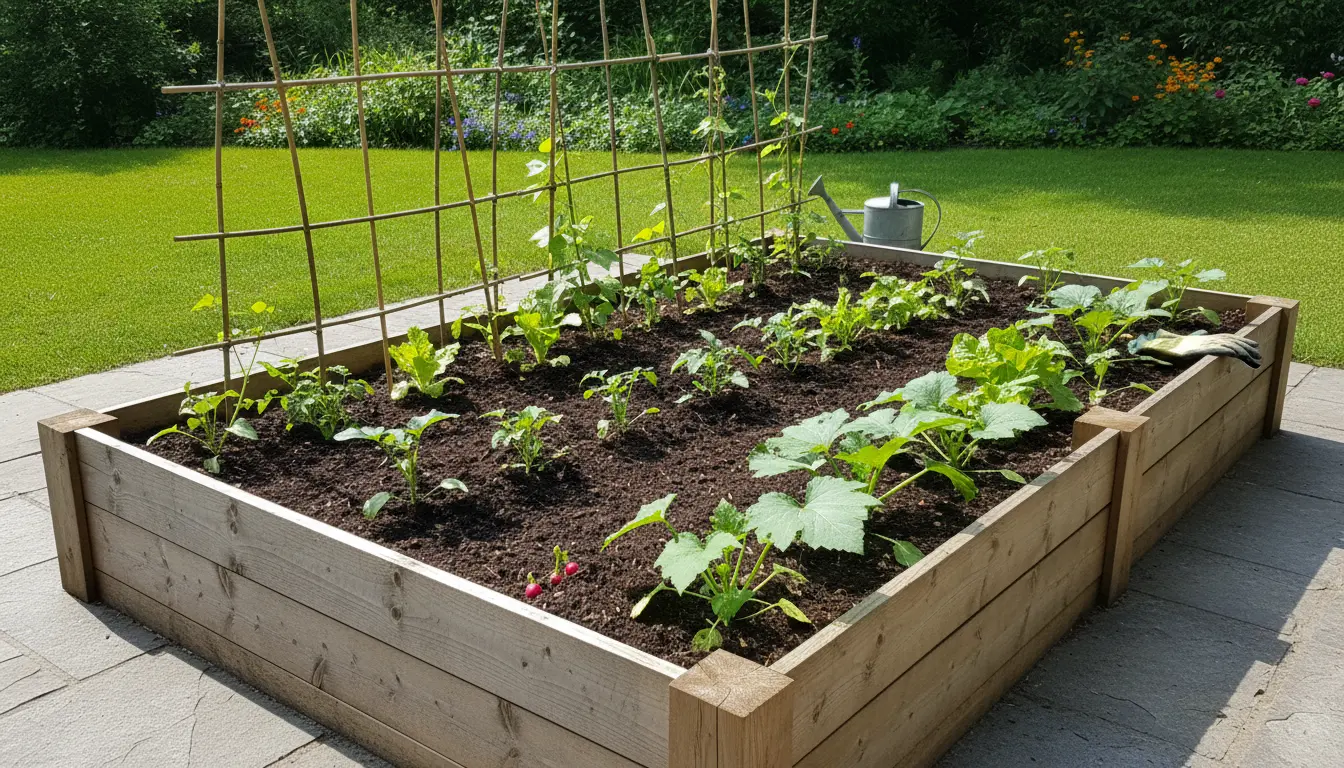
If space is limited, plan for containers or raised beds. These give more control over soil and drainage and are ideal for patios or small yards.
Plan What to Plant in a Vegetable Garden for Beginners
Start with easy, high-yield vegetables that match your climate. Consider quick growers like lettuce, radishes, and spinach to get early success.
Choose varieties labeled for your growing zone and disease resistance. Plant what you and your family will eat to avoid waste and boost motivation to care for the garden.
- Fast and easy: lettuce, radish, green beans
- High value: tomatoes, peppers, cucumbers
- Herbs to start: basil, parsley, chives
Timing and succession planting
Use a planting calendar to know last frost and first frost dates. Stagger plantings every two to three weeks for continuous harvest, especially for greens and herbs.
Example schedule: sow lettuce every two weeks in spring and fall for steady harvests over months.
Prepare Soil and Beds Before Planting
Good soil is the foundation when you start a vegetable garden. Add organic matter like compost to improve structure, drainage, and nutrient content.
For raised beds, mix native soil with compost and a small amount of well-rotted manure or composted leaf mulch. Aim for a rich, loamy mix that drains well but holds moisture.
- Clear weeds and grass from the bed area.
- Loosen soil to 8 to 12 inches deep for most vegetables.
- Apply 2 to 3 inches of compost and mix it in.
Planting and Early Care Tips
Follow seed packet or plant tag spacing and depth to avoid overcrowding and disease pressure. Water gently after planting to settle soil around roots.
Mulch with straw or shredded leaves to retain moisture, suppress weeds, and moderate soil temperature. Mulch also reduces erosion and reduces the need for frequent watering.
Watering rules for a new vegetable garden
Water deeply and infrequently rather than shallow and often. Aim for 1 to 1.5 inches of water per week, adjusting for rainfall and soil type.
Use a soaker hose or drip irrigation to keep foliage dry and lower disease risk. Morning watering gives plants time to dry before nightfall.
Manage Pests and Disease in a Vegetable Garden for Beginners
Start with prevention: clean tools, rotate crops yearly, and remove diseased plants promptly. Encourage beneficial insects with flowering plants like marigolds and alyssum.
Use physical controls first, such as row covers, hand-picking, or sticky traps. Apply organic or chemical controls only when needed and follow label instructions carefully.
- Inspect plants weekly for holes, spots, or pests.
- Use row covers for seedlings to prevent insect damage.
- Rotate plant families to reduce soil-borne disease.
Simple organic solutions
Soap and water sprays can control soft-bodied pests like aphids. Bacillus thuringiensis (Bt) targets caterpillars without harming beneficial insects.
Harvesting and Ongoing Care
Harvest vegetables at peak ripeness to encourage continued production. Regular harvesting of beans, zucchini, and herbs keeps plants productive and reduces waste.
Continue to add compost yearly, monitor soil moisture, and prune plants like tomatoes to improve airflow and yield.
Record keeping and improvement
Keep a simple garden journal noting planting dates, successes, failures, and weather extremes. This helps plan better the following season.
Small Real World Case Study
Case: Maria from Raleigh converted a 4 by 8 foot corner into a raised bed. She filled it with equal parts compost and topsoil, planted determinate tomatoes, bush beans, and basil.
Within eight weeks she harvested lettuce and radishes while waiting for tomatoes. By rotating beans for summer nitrogen and adding compost in fall, her bed produced for three seasons with minimal cost.
Key takeaways from Maria: start small, use raised beds, and choose plants that fit the season and your diet.
Quick Checklist to Start a Vegetable Garden
- Pick a sunny, accessible spot
- Test soil and add compost
- Choose easy vegetables for your zone
- Plant at correct times and space properly
- Water deeply, mulch, and monitor pests
With these practical steps you can start a productive vegetable garden that fits your space and schedule. Begin small, learn from each season, and expand as you gain confidence.