
Why Start a Small Vegetable Garden
Starting a small vegetable garden saves money, improves diet, and reduces food miles. It also gives hands-on control over how your food is grown.
Small spaces such as balconies, patios, or a 4×4 raised bed can produce a surprising amount of fresh produce. The goal is steady, manageable results rather than a large farm-like operation.
Planning Your Small Vegetable Garden
Good planning sets realistic expectations and saves time. Start by assessing sunlight, space, and water access.
Choose the Right Location
Most vegetables need 6–8 hours of direct sunlight. Observe your chosen spot through a full day to track light and shade patterns.
Consider wind, shade from trees, and convenience of watering when selecting the site.
Decide on Garden Type
Select one of these formats based on space and mobility needs:
- Raised beds for better soil control and drainage
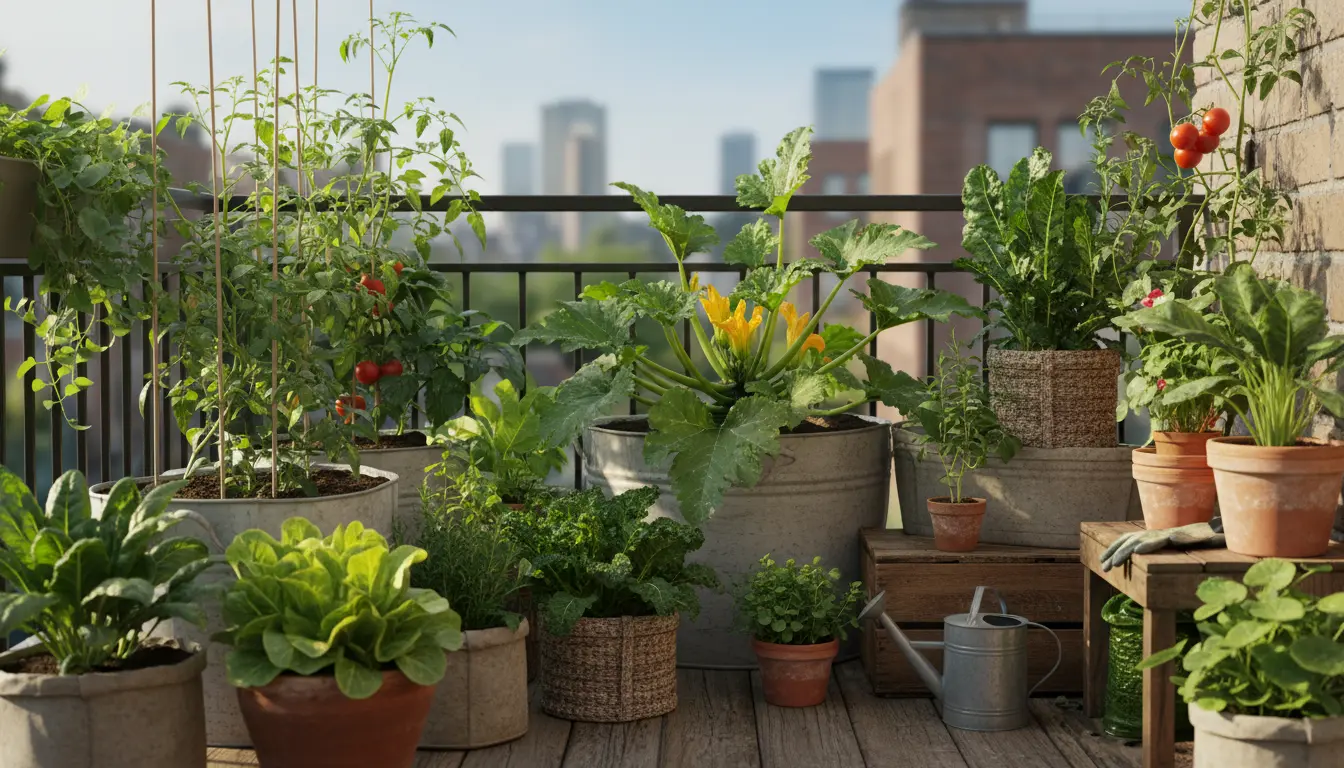
- Containers for balconies and patios
- In-ground plots for small lawns or garden corners
Choosing Vegetables for a Small Garden
Pick crops that fit your space and cooking habits. Fast-maturing and high-yield crops give quick rewards.
Good beginner choices include:
- Lettuce and salad greens (quick and continuous harvest)
- Radishes and baby carrots (fast growers)
- Cherry tomatoes and peppers (compact, productive)
- Herbs like basil, parsley, and cilantro (space-efficient)
Soil, Compost, and Fertilizer
Soil quality is the most important factor for plant health. Use a loose, well-draining mix enriched with organic matter.
For raised beds and containers, mix equal parts quality topsoil, compost, and coconut coir or peat-free mix. Add a slow-release organic fertilizer at planting time.
Soil Testing and Adjustment
Test soil pH using a simple kit. Most vegetables prefer a pH between 6.0 and 7.0. Add lime to raise pH or sulfur to lower it, following package instructions.
Planting and Spacing
Follow seed packet or plant tag spacing recommendations to reduce overcrowding. Overcrowded plants compete for light and nutrients and can increase disease risk.
Use succession planting for continuous harvest: sow a small batch of lettuce every two weeks rather than all at once.
Timing and Seedlings
Start seeds indoors for slow-growing crops or buy healthy seedlings from a local nursery. Harden off seedlings by exposing them gradually to outdoor conditions for a week before transplanting.
Watering and Maintenance
Consistent watering is critical. Water deeply and less frequently to encourage strong root growth. Aim for 1–1.5 inches of water per week, adjusted for weather and container evaporation.
Mulch with straw, leaf mulch, or bark to retain moisture and suppress weeds. Check plants regularly for signs of stress.
Pest and Disease Management
Use these practical, low-chemical strategies:
- Row covers to protect seedlings from insects
- Handpicking slugs and caterpillars in the morning
- Encouraging beneficial insects by planting flowers like calendula and alyssum
- Removing diseased leaves and rotating crops annually
Harvesting and Storage
Harvest vegetables at peak ripeness for best flavor and to encourage more production. For example, pick tomatoes when they are fully colored but still firm.
Store produce properly: lettuce in a damp towel in the fridge, root crops in a cool dark place, and tomatoes at room temperature for better taste.
Container-grown plants can need up to three times more frequent watering than in-ground plants because containers dry out faster. Using a water-retentive mix reduces watering frequency.
Simple Tools and Supplies
You don’t need expensive gear to start. A few quality items make the work easier and improve results.
- Hand trowel and cultivator
- Pruning shears
- Watering can or hose with a gentle spray
- Soil test kit and compost
Case Study: Maria’s Balcony Garden
Maria had a sunny 6-foot balcony and wanted year-round herbs and summer vegetables. She used four 12-inch containers and one 4×2-foot raised trough.
Her plan focused on high-yield, low-space plants: two cherry tomato plants, three pepper plants, a row of lettuce, and mixed herbs. She added compost to containers and used a drip-style watering wand twice a week.
In her first season Maria harvested weekly salad greens, monthly basil harvests, and a steady summer yield of cherry tomatoes. The small investment of time—about 30 minutes three times a week—kept the garden productive and low maintenance.
Quick Start Checklist
- Choose a sunny spot and garden type (container, raised bed)
- Select 3–5 starter crops you like to eat
- Prepare soil with compost and test pH
- Plant or transplant with correct spacing
- Water consistently, mulch, and monitor pests
Final Tips for a Successful Small Vegetable Garden
Start small and expand after your first successful season. Keep a simple garden journal to track planting dates, varieties, and yields.
Learn by doing: small mistakes are inexpensive and provide valuable lessons. With basic planning and steady care, a small vegetable garden can be both productive and rewarding.