
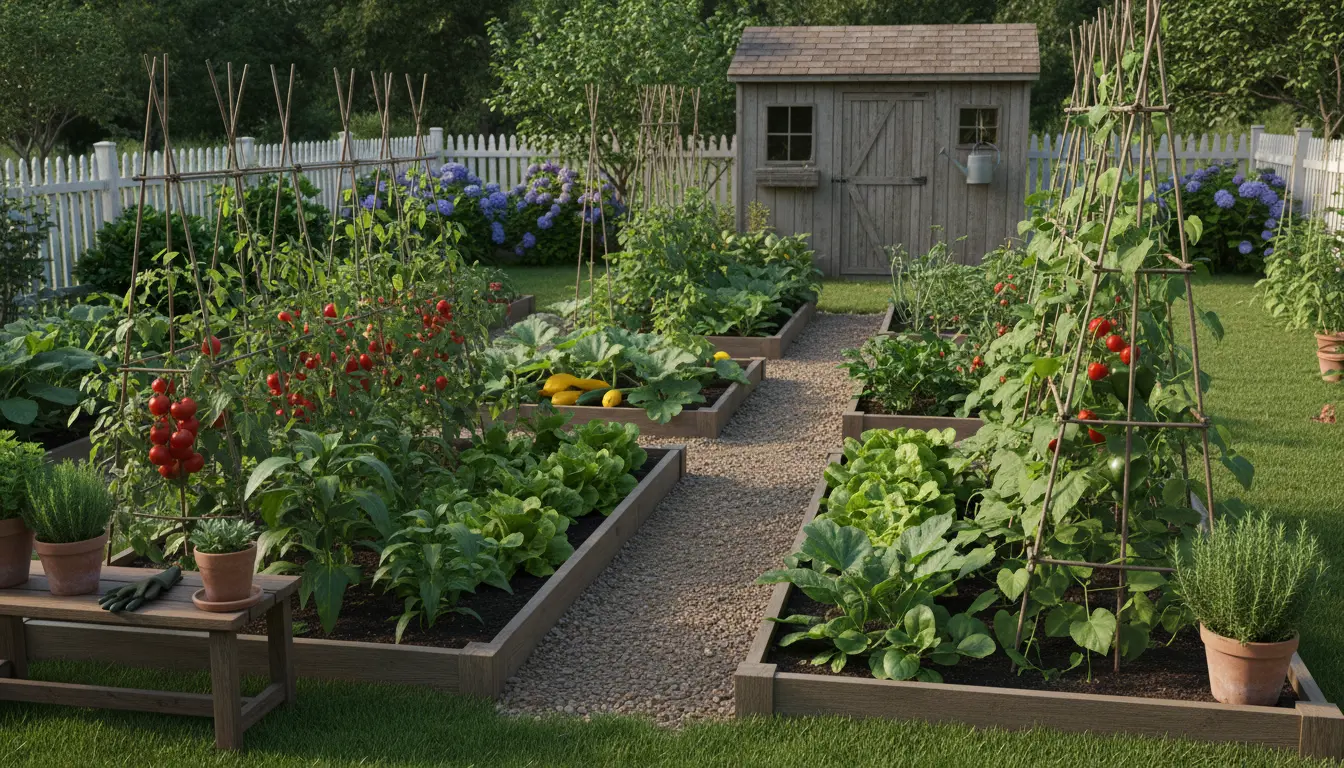
How to Start a Small Vegetable Garden: First Steps
Starting a small vegetable garden is practical and rewarding. With a little planning you can grow fresh produce even in limited space.
This guide gives step-by-step instructions for choosing a site, preparing soil or containers, selecting crops, and maintaining plants to maximize yield.
Plan Your Small Vegetable Garden
Decide the garden type: raised beds, containers, or a small in-ground patch. Each choice affects soil needs, water, and plant selection.
Consider sunlight, access to water, and how much time you can spend on maintenance. Most vegetables need 6–8 hours of sun.
Choose a Site and Size
Pick a spot with the most sunlight and good drainage. If you have a balcony or patio, containers or vertical planters work well.
Start small: a 4×4 foot raised bed or 4–6 medium containers is manageable for beginners and reduces overwhelm.
Select Vegetables for Small Spaces
Pick compact or high-yield crops suited to your climate and season. Good choices for small gardens include:
- Lettuce, spinach, and salad greens (fast harvest)
- Cherry tomatoes and patio tomato varieties
- Radishes, carrots (short varieties), and beets
- Bush beans and compact peppers
- Herbs: basil, parsley, cilantro
Prepare Soil and Containers
Healthy soil is the foundation of any garden. For raised beds and containers use a blend of topsoil, compost, and a light material like perlite for drainage.
For in-ground small gardens, remove weeds and add 2–4 inches of compost, then lightly fork the soil to mix nutrients in.
Soil Mix for Containers
A simple container mix: 40% good-quality potting soil, 40% compost, 20% perlite or coarse sand. This balances nutrients and drainage for healthy roots.
Use containers with drainage holes and choose sizes appropriate to the plant: 5 gallons for peppers and small tomatoes, 1–2 gallons for herbs.
Planting: Timing and Techniques
Check your local last frost date and plant accordingly. Cool-season crops (lettuce, spinach) go in early spring or fall; warm-season crops (tomato, pepper) after frost risk passes.
Follow seed packet or plant tag instructions for spacing and depth. In small gardens, use succession planting—every 2–3 weeks sow new seeds to maintain continuous harvests.
Companion Planting Tips
Use simple companion planting to make the most of space and reduce pests. Examples:
- Plant basil near tomatoes to improve flavor and deter pests.
- Mix lettuce among taller plants to get partial shade and save space.
- Use marigolds to repel some insect pests around vegetable borders.
Watering and Feeding Your Garden
Small gardens dry out faster than large ones, especially in containers. Water deeply when the top inch of soil is dry rather than frequent light sprinklings.
Use a balanced organic fertilizer or dilute liquid feed every 2–4 weeks during the growing season to support steady growth.
Mulch and Weed Control
Apply 1–2 inches of organic mulch like straw, shredded leaves, or compost around plants. Mulch conserves moisture and reduces weeds.
Hand-pull weeds when small to prevent competition for nutrients and water.
Pest and Disease Management
Inspect plants weekly and remove affected leaves or pests by hand when possible. Early action is more effective than heavy treatments later.
Use physical barriers (row covers), sticky traps, or organic sprays as needed. Rotate crops each season to reduce disease buildup.
Common Problems and Fixes
- Yellowing leaves: check watering and nutrient levels.
- Slugs and snails: use beer traps or hand-pick at dusk.
- Powdery mildew: improve airflow and remove heavily affected foliage.
A small 4×4 foot vegetable bed can produce enough salad greens for a small household throughout the summer with proper succession planting.
Harvesting and Ongoing Care
Harvest regularly to encourage more production. Pick salad greens when young for best flavor, and harvest tomatoes when they reach full color.
At season end, remove spent plants, add the residue to compost, and refresh soil with compost or new potting mix for the next planting.
Season Extension
Use simple season extenders like row covers, cold frames, or cloches to start earlier in spring and extend harvest into fall.
Even small gardens benefit from vertical supports for vining plants to increase yield per square foot.
Real-World Example: Small Space Success
Case study: A family in a city apartment created a 6-container balcony garden with two cherry tomato plants, three herb pots, and one container of mixed salad greens.
In the first season they harvested weekly salads and enough herbs to reduce grocery purchases. Minimal water and a weekly liquid feed kept plants productive.
Lessons learned: choose compact varieties, use 5-gallon containers for main crops, and schedule quick-growing crops for continuous harvest.
Simple Checklist to Start Today
- Choose site and garden type (containers, raised bed, in-ground).
- Select 4–6 beginner-friendly crops suited to your climate.
- Prepare soil or mix and ensure drainage.
- Plant using correct timing and spacing; water deeply.
- Mulch, monitor pests, and harvest regularly.
Starting a small vegetable garden is achievable with modest time and expense. Follow these practical steps and adjust as you learn from your own space and climate.