
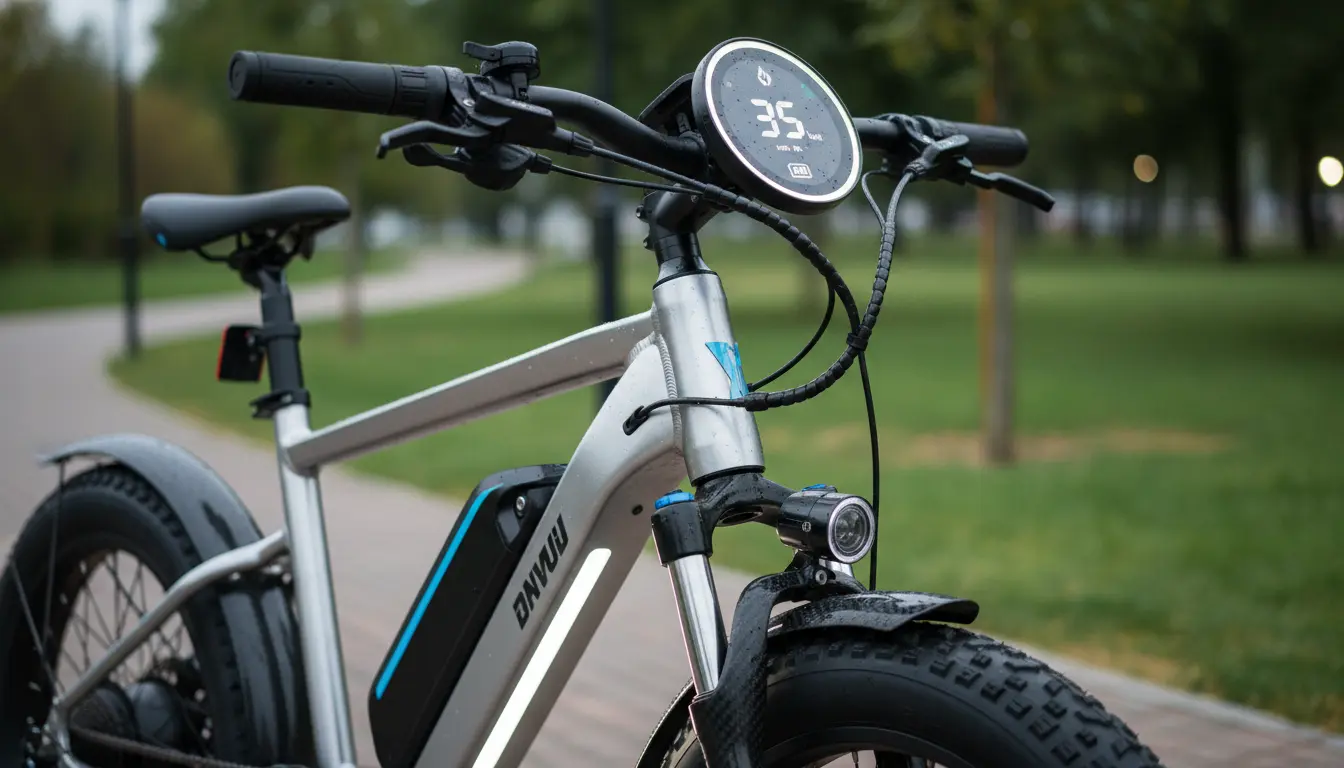
Regular electric bike maintenance keeps your ride safe, extends component life, and prevents costly repairs. This checklist covers the daily, monthly, and seasonal tasks to make electric bike maintenance simple and repeatable.
Why Electric Bike Maintenance Matters
Electric bikes combine mechanical and electrical systems, so wear in one area can affect the whole bike. Simple checks reduce the risk of breakdowns and maintain performance.
Following a routine saves money by avoiding major component failure and keeps battery performance optimum over time.
Essential Electric Bike Maintenance Checklist
Below are the core tasks grouped by frequency. Use this as your baseline electric bike maintenance checklist and adapt timing to mileage and conditions.
Daily or Before Every Ride
- Visual check for obvious damage, loose parts, or flat tires.
- Confirm battery is seated and locked; check charge level.
- Test brakes and lights for proper function.
Weekly Maintenance
- Clean the bike frame and drivetrain lightly to remove grime.
- Inspect tire pressure and top up to recommended PSI.
- Check quick-release skewers or thru-axles for tightness.
Monthly Electric Bike Maintenance
Do these checks every 300–500 miles or once a month if you ride less frequently.
- Inspect brake pads and rotor alignment; adjust or replace if worn.
- Lubricate chain with a light bicycle chain lubricant; wipe excess.
- Check spoke tension and wheel true; fix minor wobbles promptly.
- Run a battery health check via onboard display or app if available.
Quarterly or Seasonal Checks
- Full drivetrain inspection: chain stretch, cassette wear, and chainring condition.
- Inspect and clean connectors for motor and battery; apply dielectric grease if recommended.
- Update firmware for motor controller, display, or battery management system.
- Service suspension components per manufacturer intervals.
Battery Care for Long Life
Battery health is central to e-bike performance. Follow manufacturer guidance but use these universal practices.
- Avoid full 0% discharges; recharge when battery reaches 20–30% for longevity.
- Store battery at around 40–60% charge if not used for more than a month.
- Keep the battery dry and avoid extreme temperatures during charging or storage.
- Use the supplied charger and avoid cheap third-party chargers unless verified compatible.
Brakes, Tires, and Drivetrain Care
These systems demand regular attention because they affect safety and efficiency.
- Brakes: Replace pads when less than 1.5 mm of pad material remains. Listen for squeal or grinding noises.
- Tires: Inspect for cuts and embedded debris. Replace tires with visible casing or repeated punctures.
- Drivetrain: Clean and lube after wet rides. Replace chain before it wears out the cassette.
Cleaning and Corrosion Prevention
Use mild soap and water with a soft brush. Avoid high-pressure washers near electrical connectors and bearings.
Dry the bike thoroughly and apply corrosion inhibitors to exposed metal or contact points if you ride in salty or wet environments.
Electrical System and Firmware
Modern e-bikes include sensors, displays, and controllers. Keep software up to date to benefit from efficiency and safety improvements.
Visually inspect wiring for chafing and secure connectors. If the motor produces unusual noises or the assist cuts out, consult diagnostics before riding extensively.
Storage and Off-Season Tips
- Store indoors in a cool, dry place away from direct sunlight.
- Keep the battery partially charged and check every 6–8 weeks during storage.
- Lift the bike or support the wheels to avoid flat spots on tires for long-term storage.
Small Real-World Case Study
Maria commutes 30 miles per week on an e-bike. She followed this electric bike maintenance checklist for a year. Regular chain lubrication and monthly brake checks prevented three potential repairs and extended her battery life.
Outcome: Maria reduced annual service costs by about $120 and avoided a mid-season battery replacement that her commuter friend faced. Small, regular maintenance kept her bike reliable and reduced downtime.
Quick Troubleshooting Tips
- No power: Check battery charge, try reseating the battery and inspect the main connector.
- Intermittent assist: Look for loose cables, water ingress, or outdated firmware.
- Unusual noises: Inspect drivetrain, spokes, and motor mounts for loose components.
Final Checklist for Every Rider
- Pre-ride visual and brake check.
- Weekly clean and tire pressure check.
- Monthly drivetrain and brake inspection.
- Seasonal battery health and firmware updates.
Use this electric bike maintenance checklist as a living document. Adapt it to your mileage, local climate, and the manufacturer’s recommendations. Consistent, simple care keeps your e-bike safe, efficient, and ready for the road.